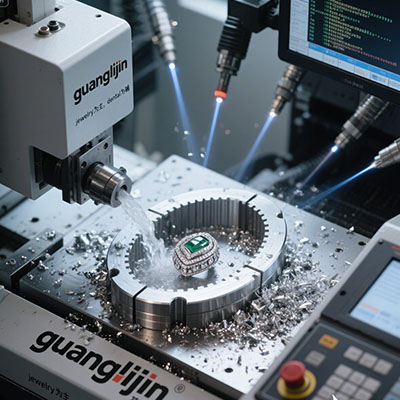
Outsourcing aerospace milling is a trust exercise. You hand over drawings, material certs, and a deadline. You get back parts that either pass inspection or trigger a costly conversation. The difference often comes down to how the supplier runs cnc 3 axis milling on your specific alloy. This guide explains how to evaluate a custom milling service for aerospace work, which capabilities separate a serious supplier from a reseller, and how to protect your program before the first chip flies.
Why Custom Aerospace Milling Is Not Commodity Work
Aerospace parts carry documentation, traceability, and tight tolerances. A general job shop can mill aluminum brackets all day. That same shop may struggle with a stainless housing that needs flatness within a few thousandths.
Therefore supplier selection should weigh process control, not just price per hour. Ask how the shop handles material certification. Ask how it verifies first articles. Ask what happens when a feature drifts mid-run.
The answers reveal whether the supplier runs a controlled process or simply reacts to problems. A controlled process catches drift before scrap. A reactive shop discovers problems at final inspection.
Our team audited a custom milling supplier in 2025 that quoted a competitive rate on a titanium bracket. The shop had no in-process probing on the three-axis mill. The first lot passed. The second lot drifted after a spindle warm-up change. The rework cost exceeded the savings.
Project A vs Project B: Custom Milling Service Comparison
Two aerospace programs sourced custom three-axis milling from different suppliers. Project A chose the lowest hourly rate. Project B chose a supplier with documented process control. Their total costs diverged.
| Factor | Project A — Low-Rate Supplier | Project B — Process-Controlled Supplier |
|---|---|---|
| Hourly rate | Lowest quoted | Higher, documented |
| First-article process | Final inspection only | In-process probing and FAI report |
| Material traceability | Basic certs | Full lot traceability with mill certs |
| Thermal control | None documented | Warm-up routine and climate control |
| Drift handling | Reactive, rework after reject | Probe schedule catches drift early |
| Total cost outcome | Rework exceeded savings | Stable yield, predictable delivery |
Project A saved on the hourly rate and lost on rework. Project B charged more per hour and delivered fewer surprises. However, Project B is not automatically correct for every program. A prototype with generous tolerance may not need full process control. The comparison forces a practical question: what does a rejected lot cost your schedule?
Five Steps to Evaluate a Custom Milling Supplier
Do not award work on price alone. Do not accept a verbal assurance of capability. Run this sequence before releasing a purchase order.
Step 1: Request Process Documentation and FAI Samples
Ask for a sample first-article inspection report from a comparable aerospace part. Review how the supplier documents dimensions, material certs, and traceability. A supplier who cannot produce a clean FAI package has not built the process discipline aerospace work requires.
Step 2: Confirm Machine Capability for Your Alloy
Ask which three-axis mills will run your part. Confirm spindle taper, guideway type, and thermal management. Aerospace alloys demand rigidity under radial load. A supplier running a light general-purpose mill on titanium is a risk. Request a test cut on your material if the program is significant .
Step 3: Verify In-Process Probing and Inspection Frequency
Ask how the supplier verifies features during the run. In-process probing catches drift before scrap. A shop that inspects only at final assembly discovers problems too late. Confirm the probing schedule and the inspection equipment calibration records.
Step 4: Audit Material Handling and Traceability
Aerospace programs require lot traceability from mill cert to finished part. Ask how the supplier stores and tracks material. Confirm that heat numbers and certs follow the part through every operation. A gap in traceability can fail an audit regardless of part quality.
Step 5: Review Communication and Change Control
Ask how the supplier handles drawing revisions and process changes. A controlled process documents changes and re-verifies first articles. A reactive shop makes adjustments on the floor without records. Confirm the change control procedure in writing before awarding the job.
Common Mistakes When Hiring a Custom Milling Service
⚠Attention: Do not award aerospace work on hourly rate alone. Rework, late delivery, and audit failures cost more than the rate difference. Evaluate total cost and process control together.
⚠Attention: Do not assume a supplier’s general machining experience transfers to aerospace. Documentation, traceability, and first-article discipline are separate capabilities. Ask for aerospace-specific evidence.
⚠Attention: Never skip the first-article review. A supplier that ships without a documented FAI is asking you to absorb the risk. Review the FAI package before accepting production quantities .
Another quiet error involves tolerance assumptions. A drawing may call out a tolerance that the supplier’s process cannot hold on a three-axis mill without thermal control. Discuss tolerance capability upfront. A supplier who accepts an impossible tolerance without comment is not protecting your program.
Frequently Asked Questions
What is custom CNC 3 axis milling for aerospace?
It is contract machining of aerospace parts on three-axis platforms. Suppliers handle programming, fixturing, machining, and inspection. Custom service suits single-face features like plates, brackets, and housings .
How do I choose a CNC 3 axis milling service for aerospace parts?
Review process documentation, FAI samples, machine capability, probing frequency, and traceability. Ask for aerospace-specific references. Award work on total cost and process control, not hourly rate alone .
What tolerance can a custom 3 axis milling service hold?
Precision suppliers can hold ±0.001 inch or tighter under controlled conditions. Achievable results depend on thermal control, spindle rigidity, and inspection discipline. Confirm capability on your alloy before awarding the job .
How much does custom CNC 3 axis milling cost for aerospace?
Rates vary by alloy, complexity, and volume. Aerospace work carries documentation and inspection overhead that general machining does not. Evaluate total cost, including rework risk, not just the hourly quote.
What documentation should a milling supplier provide?
Expect material certs with lot traceability, first-article inspection reports, calibration records, and change control logs. Aerospace audits require these records. A supplier who cannot provide them is a risk .
Pre-Purchase Checklist
- ☐ Part feature orientation and tolerance documented
- ☐ Alloy mix and material cert requirements defined
- ☐ Supplier process documentation requested
- ☐ FAI sample from comparable aerospace part reviewed
- ☐ Machine capability confirmed for your alloy
- ☐ In-process probing frequency verified
- ☐ Material traceability procedure audited
- ☐ Change control procedure reviewed in writing
- ☐ Total cost including rework risk calculated
- ☐ Aerospace customer references contacted
- ☐ Delivery schedule and capacity confirmed
- ☐ First-article review process agreed before production
A custom milling service is a process partner, not a commodity vendor. Start with documentation, survive a first-article review, and end with a checklist on the floor. The supplier who controls the process controls the outcome.