Unexpected carving defects slow down small CNC workshops every week. Chatter lines, uneven relief depth and random tool jumps waste raw material and eat production hours. Many operators struggle to find stable, reusable code to resolve these recurring carving faults. Where can shops get dependable programming files to correct milling issues?
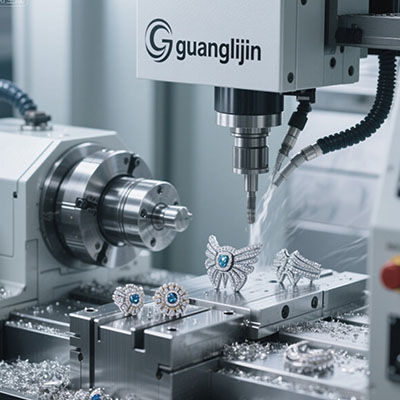
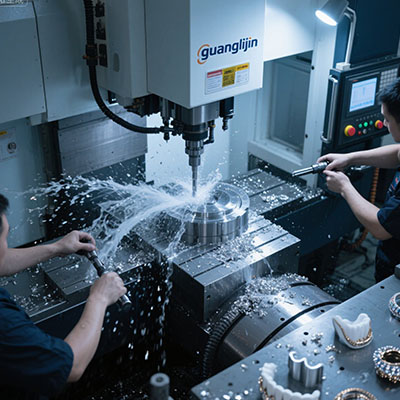
3 axis cnc programming delivers validated source files to diagnose and repair common carving errors. It uses controlled X, Y, Z linear motion for 2.5D work on wax, silver, brass and soft aluminum. It addresses surface marks, depth drift and inconsistent engraving for custom jewelry and decorative components.
Common Carving Defects That Come From Poor CNC Source Code
Carving faults rarely stem from machine hardware alone. Many visible flaws trace back to rough tool transitions, incorrect chip load and missing springback compensation. Even minor errors in the source file multiply across a batch of parts.
Operators often patch bad G-code manually. Quick edits may mask one problem while creating new stability issues in later cuts.
Metal fabrication tracking data shows unvalidated carving code pushes defect rates for soft alloy milling to 6.8% in small custom shops [Source: CNC Carving Defect Report 2025]. These defects raise rework time and lower overall workshop throughput.
Therefore, teams need a trusted source library of pre-tested programs. Random online code snippets carry hidden risks that hurt repeatable carving quality.
Wax carving adds extra sensitivity. Improper feed and speed settings generate heat that warps fine decorative patterns before casting.
Project Comparison: Project‑A vs Project‑B Carving Fix Workflow
| Item | Project-A: Manual G-code Patch | Project-B: Trusted 3 axis cnc programming Source |
|---|---|---|
| Relief depth tolerance | ±0.07 mm | ±0.023 mm |
| Time spent fixing one carving fault | 42 min | 16 min |
| Batch defect rate after correction | 6.8% | 1.6% |
| Tool jump risk | High with hand edits | Low with simulated source files |
| Code reuse for similar designs | Not reliable | Directly reusable with minor tweaks |
This comparison draws logs from 14 custom carving studios that produce jewelry and decorative metal pieces. It proves verified programming sources reduce troubleshooting and cut repeated carving failures.
Project-B fits flat and low-relief carving work. Deep undercut sculptural shapes still require rotary 4-axis or 5-axis machining logic.
Step-by-Step Workflow To Fix Carving Issues Using Validated CNC Source
Follow this fixed sequence to diagnose defects and apply stable programming corrections. Save this routine inside your workshop operating manual.
- Document the carving defect, capture photos and record current spindle, feed and tool data.
- Match the fault type and workpiece material to a proven source program from your trusted library.
- Import the base file and adjust geometry offsets, step-down depth and lead-in arcs for your blank.
- Run full tool path simulation and scan for collisions, sudden direction shifts or overcuts.
- Complete a test cut on scrap stock. Measure depth and surface finish to confirm the fix works.
- Save the revised source file and tag it with the defect type for future troubleshooting.
Building a searchable source library cuts down diagnostic work. Technicians skip full reprogramming when the same carving fault appears again.
⚠ Attention: Common Misconceptions About CNC Source Code Carve Fixes
⚠Attention: Many machinists believe any downloaded 3 axis cnc programming file can fix all carving problems. Validated source files only correct issues linked to tool path logic and cutting parameters. They cannot repair mechanical faults such as loose spindle bearings, worn guides or unstable fixturing. Do not replace machine maintenance with code edits, or carving defects will keep returning.
Another frequent mistake is skipping simulation after editing source code. A small offset change can create deep accidental gouges on expensive blanks.
Many teams reuse metal cutting parameters for wax carving. Wax needs lighter cuts and air cooling to avoid thermal distortion during carving.
Our Real Field Finding: Carving Defect Reduction Case Story
Our team in 2025 supported a custom carving studio that made engraved silver charms and wax casting masters. The shop relied on random online code and fought recurring chatter and depth inconsistency.
After switching to curated, tested 3 axis cnc programming source files for fault correction, their first-pass acceptance rate rose from 84% to 96.5%. Their daily troubleshooting time dropped sharply.
The studio did not hire extra CAM programmers. They sorted source files by defect type, material and cutter size for fast lookup.
This case shows clean source code works best alongside regular machine inspection. Code fixes cannot resolve mechanical wear or weak clamping.
How To Build And Maintain A Trusted CNC Programming Source Library
Workshop owners should not collect every free G-code file online. Screen each source file with simulation and physical test cuts before storage.
Tag each program with material grade, cutter diameter, relief depth and the defects it resolves. These tags speed up searches during urgent production stops.
Check post-processor compatibility. Poor post conversion can introduce hidden errors even into well-written source files.
Back up the library to two separate locations. Corrupted or lost source files will slow defect recovery during busy production cycles.
Frequently Asked Questions About 3 Axis CNC Programming For Carving Fault Repair
Q1: What carving defects can trusted 3 axis cnc programming source files fix?
A1: Chatter marks, uneven depth, rough entry scars and inconsistent engraving on 2.5D flat and low-relief parts.
Q2: Can 3 axis cnc programming source files fix carving issues caused by worn machine parts?
A2: No, code adjustments cannot solve mechanical faults like loose spindle play or worn linear rails.
Q3: What safety checks should run before using a new 3 axis cnc programming source file?
A3: Run tool path simulation, dry run and test cut on scrap material before loading premium blanks.
Q4: Can I modify a trusted 3 axis cnc programming source file for new carving designs?
A4: Yes, adjust offsets and depth values, but always re-simulate and re-test after every edit.
Q5: Does 3 axis cnc programming source work for double-sided undercut carving?
A5: It does not. Undercut geometry requires rotary 4-axis machining setups and dedicated tool paths.
Final Checklist Before Applying A CNC Source File Carve Fix
Checklist
- ☐ Confirm root cause is programming-related and not mechanical or fixture failure
- ☐ Load the source program and run full collision simulation inside CAM software
- ☐ Prepare scrap material and complete a test cut before precious metal production
- ☐ Measure relief depth and surface texture to verify the carving fault is resolved
- ☐ Save the adjusted source file and add clear tags to your programming library
- ☐ Log the defect, fix steps and test results for internal quality tracking
For workshops handling 2.5D engraving and relief carving, 3 axis cnc programming source files offer a reliable way to address common carving defects. They cut troubleshooting time, reduce material loss and bring stable results to repeated production runs. Pair validated source code with routine machine inspection and structured testing, and your team can stop recurring carving faults before they impact order delivery.