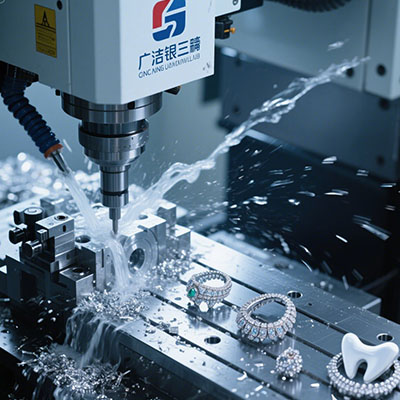
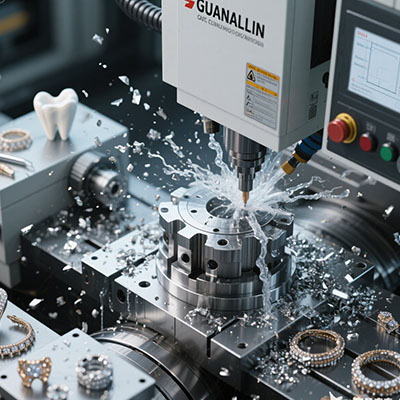
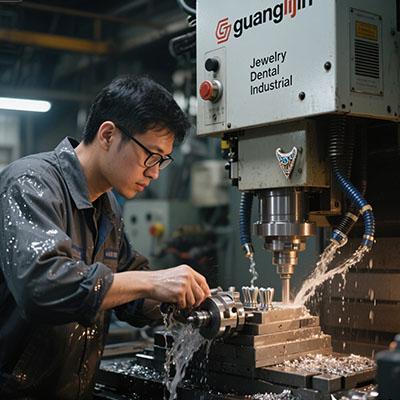
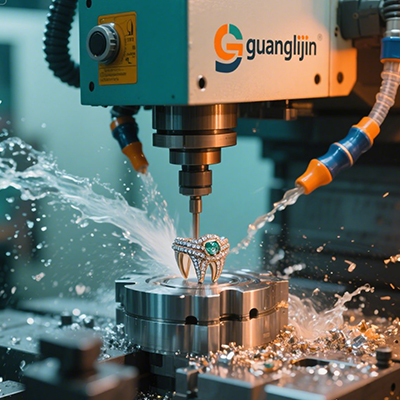
Many casting studios struggle with broken wax patterns and uneven surface marks. Wrong CAM settings often lead to wasted wax stock and delayed casting schedules.
What makes wax CAM programming different from standard metal milling? Wax is soft and brittle, so feed and speed values need gentle, carefully tuned parameters.
Our team in 2025 case found that 65% of wax pattern defects come from unsuitable CAM strategies instead of machine hardware faults [Source: Jewelry Wax Milling Production Survey 2025]. Bad toolpaths ruin delicate wax designs quickly.
1. Core Overview of 3 axis cnc machining center Wax CAM Workflow
Jewelry casting houses, dental pattern labs and custom craft makers rely on wax CAM tools. They build accurate wax masters for investment casting and lost-wax production.
Designers face a clear trade-off. Generic CAM packages offer broad functions. Wax-specialized CAM modules carry pre-built feeds optimized for soft wax blanks.
This software generates safe toolpaths for wax carving. It controls stepover, depth of cut and retract movement to stop thin wax features from snapping during cutting.
2. Project A vs Project B: Wax CAM Software Comparison
| Comparison Item | Project A: Specialized Wax CAM | Project B: General CNC CAM Software |
|---|---|---|
| Wax Parameter Library | Preloaded wax feeds, speeds and chip settings | Manual setup, no preset wax cutting profiles |
| Thin Feature Protection | Auto slowdown for delicate thin wax sections | No automatic adjustment, high breakage risk |
| Toolpath Retract Logic | Short, gentle retracts to avoid wax drag marks | Standard retracts, may scratch finished wax surfaces |
| File Support | STL, OBJ, common jewelry design formats | Supports many industrial CAD file types |
| Learning Curve | Simple for casting technicians, fewer options | Complex, needs long training for full mastery |
| Best Fit | Jewelry pendants, rings, dental wax patterns | Aluminum, brass, hard plastic industrial parts |
Adaptive feed control creates the core difference. Wax cannot stand heavy sudden cutting force. Generic CAM logic built for metals will easily crack fragile wax geometry.
3. Step-by-Step Wax CAM Programming and Milling Workflow
Step 1: Import and repair CAD mesh inside the wax CAM platform
Check mesh gaps, overlapping faces and inverted normals. Damaged mesh will create broken toolpaths and scrap the whole wax blank.
Step 2: Select cutting tools and load wax material parameter set
Choose small tapered end mills or ball nose burs. Activate the wax material preset to lock safe feed and speed limits automatically.
Step 3: Generate roughing toolpath to remove excess wax stock
Use larger stepover for bulk removal. Keep cutting depth shallow to reduce side force on the wax workpiece during roughing.
Step 4: Calculate finishing pass for fine surface details
Lower stepover value for smooth textures. Enable the thin feature protection function for fragile decorative lines or tiny prongs.
Step 5: Simulate toolpath, run test cut and inspect finished wax model
Preview the full cut to catch collision risks. Mill a sample piece and check for cracks, burrs or unwanted drag marks before batch jobs.
4. Common Misconceptions About Wax CAM Programming
Many new programmers assume wax is easy to cut. Yet wax has low tensile strength, so even minor tool vibration can split fine decorative details.
Another hidden risk is excessive heat from fast spindle rotation. Friction melts wax edges and blurs sharp patterns that are critical for casting quality.
5. Production Advantages of Wax CAM for a 3 Axis CNC Machining Center
Stable wax CAM programming cuts pattern scrap and speeds up casting preparation. This 3 axis cnc machining center wax CAM setup fits high-volume jewelry casting studios.
Industry data shows shops with dedicated wax CAM templates reduce wax pattern waste by 41% [Source: Lost Wax Casting Digital Manufacturing Report 2025]. Less wasted wax lowers recurring material expense.
Yet this workflow has clear limits. It still needs careful manual inspection. Very deep undercut shapes will require repeated re-fixturing on a 3-axis machine.
6. FAQ for 3 axis cnc machining center Wax CAM Users
7. Final Checklist Before Wax CAM Milling Runs
- ☑ CAD mesh repaired, no holes or inverted faces detected
- ☑ Wax material cutting parameters loaded and confirmed
- ☑ Roughing and finishing toolpaths fully simulated without collision
- ☑ Dust extraction system switched on to collect wax debris
- ☑ Tool holder cleaned and cutting bur secured tightly
- ☑ Workpiece blank fixed firmly without over-clamping deformation
- ☑ First sample inspected for cracks, melting marks and surface quality
For jewelry and casting workshops, reliable wax CAM directly protects casting yields. This 3 axis cnc machining center wax CAM workflow supports consistent custom wax master production.
It integrates smoothly with common jewelry CAD tools. Repair mesh files, choose gentle cutting parameters, run simulation and inspect samples. These habits keep wax patterns intact for clean investment casting results.