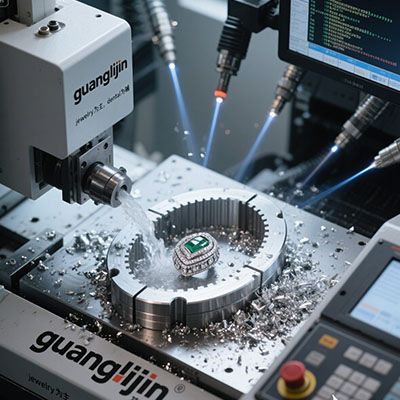
Useful 3 axis CNC projects teach a complete process, from drawing and holding to inspection. A simple fixture plate or pocketed block can reveal more than an elaborate decorative model. Choose a project with clear acceptance criteria and manageable risks. The goal is to learn a repeatable workflow before adding complex shapes, extra setups, or costly materials.
Choose a Project with Measurable Outcomes
A beginner project should include features that can be checked with available tools. Flat faces, a pocket, and a hole pattern can provide several learning points without hidden geometry. Define the material and finish target. Avoid choosing a shape solely because it looks impressive in a rendered image or online video.
For a jewelry workshop, a small locating fixture can be a practical project. It connects machining to a real shop task and makes loading behavior easy to assess. Start with a noncritical trial. Do not place valuable jewelry into an unproven fixture simply because its dimensions appear correct on the screen.
Check the Machine’s Practical Envelope
Haas lists 508 mm of Z travel for its VF-1. [Source 1: Haas Automation, VF-1 specifications, Travels.] This is a machine example, not a universal project size. The tool, holder, vise, and stock share the available space. Verify the full setup on the machine you will actually use.
The VF-1 product sheet lists a standard spindle speed of 8,100 rpm. [Source 2: Haas Automation, VF-1 specifications.] Do not treat that rating as a setting for a learning project. Use maker-approved guidance for the specific tool and material, and choose a task that fits the shop’s experience and equipment.
Project A vs Project B: Fixture Plate or Sculpted Model
A fixture plate emphasizes references, hole location, and flat features. A sculpted model adds surface-path and finish decisions. Both can be valuable, but they test different skills. Begin with the project that exposes the learning gap you need to close. Keep its scope small enough that the cause of a failed result is traceable.
| Decision | Project A: Simple fixture plate | Project B: Sculpted model |
|---|---|---|
| Main learning | References and feature location | Surface strategy and finish |
| Inspection | Dimensions and loading fit | Form and visible texture |
| First milestone | Repeatable setup and fit | Controlled surface trial |
A Five-Step Project Plan
- Define the lesson. Choose the specific setup, feature, or inspection skill to practice.
- Prepare the drawing. Include measurable dimensions and a clear material definition.
- Review the process. Confirm tools, holding, references, and a safe first-run method.
- Make a trial. Record deviations and change one controlled factor at a time.
- Repeat the result. Reload another blank and use the same written procedure.
An Illustrative Pendant Nest
Imagine a learning project that holds a plain metal coupon shaped like a pendant. The first nest fits tightly but traps chips beneath the work. A revised relief and cleaning method may improve seating. This teaches more than matching the outline: a useful fixture must load, support, clean, and release consistently.
During research, I compared machine travel with the complete space needed for tools and holding. That review reinforced the value of a modest first project. Leaving comfortable room for the setup makes it easier to observe the process and learn from the result without confusing access limits with programming mistakes.
⚠ Attention: Do not copy an online project’s settings without checking the machine, tool, and material. Do not use valuable or safety-critical parts as first trials. Keep guards and approved workholding in place. A learning project should reduce uncertainty in a controlled way, not make an unverified setup harder to recover.
Project Planning Questions
What makes a good first milling project?
Choose a small, accessible part with clear dimensions and a straightforward holding plan. Use material approved for the machine and tools. Include at least one feature that teaches the skill you need. A repeatable simple part is a stronger learning result than a complex model whose errors cannot be measured or explained.
Should beginners start with wax?
Wax can suit some modeling machines and jewelry workflows, but the choice should follow the equipment’s approved materials and the learning goal. It behaves differently from metal and can break during handling. Confirm the tool and holding method, then assess whether the project teaches the process you intend to use later.
How can a supplier support a training project?
For 3 axis CNC projects, ask for a representative sample, setup instructions, and inspection criteria. Include operator training and help with the first controlled run. Request the files and records needed to repeat the work. The useful outcome is a method your own team can follow after the demonstration.
Checklist
- The learning goal is specific.
- The drawing is measurable.
- Material and tools are approved.
- Holding and clearances are reviewed.
- Trial changes are recorded.
- A fresh setup repeats the accepted result.