Finding the Best Jewellery Casting Machine: A Deep Dive into CNC Wax Molding Tech
What separates amateur results from professional-grade jewelry? It often boils down to the master pattern. For centuries, wax carving defined quality. But it’s slow and skill-dependent. How can modern workshops achieve perfection consistently and profitably?
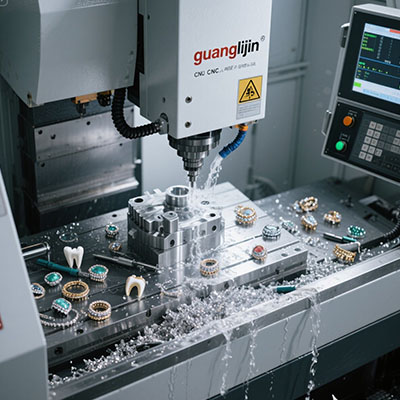
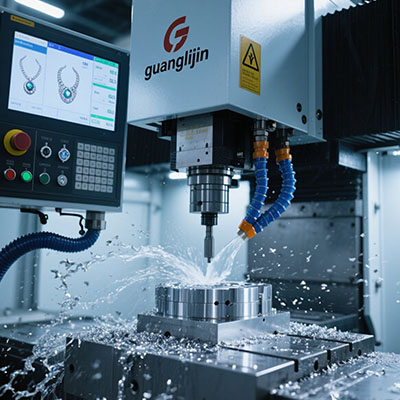
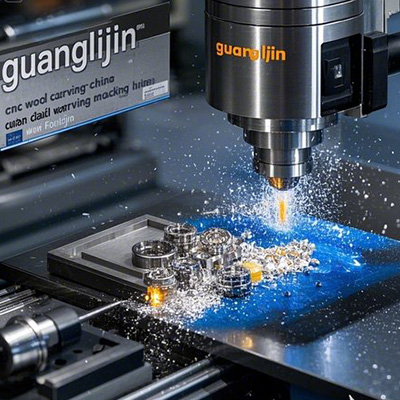
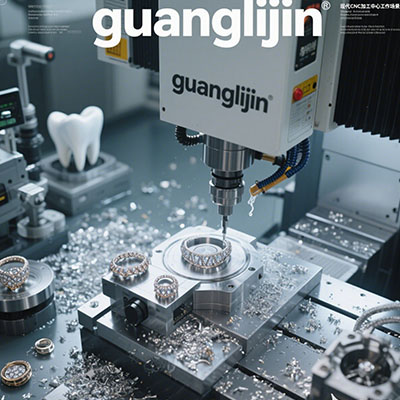
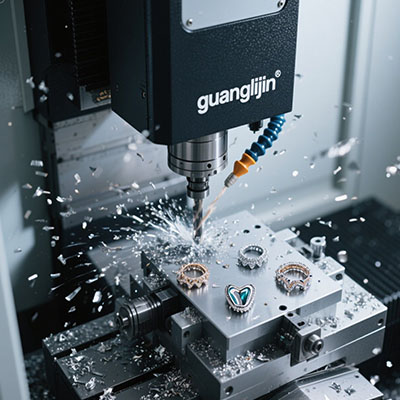
The solution lies in advanced jewellery casting machine technology. Specifically, CNC wax milling systems. This tech transforms digital designs into flawless wax patterns with robotic precision. It’s the secret weapon for top studios today.
The Core Challenge: Precision at Scale
Manual wax work struggles with scalability. Creating ten identical intricate rings is a huge task. Human error creeps in. Tiny variations in a setting can ruin a casting. This leads to wasted metal, time, and unhappy clients.
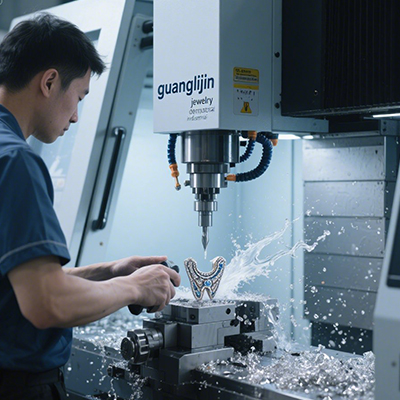
CNC wax molding solves this. A computer controls the cutting tool. It replicates the 3D model exactly, every single time. This guarantees uniformity across batches. It’s a game-changer for production lines and custom pieces alike.
Interestingly, a 2023 report from Jewellery Production Insights showed that studios using CNC for pattern-making reduced their casting defect rate by an average of 70%. That’s a massive boost to the bottom line.
Key Features of a Top-Tier CNC Wax Milling System
Not all machines are equal. Here’s what to look for in the best equipment.
Multi-Axis Machining Capability
3-axis machines are common. But 4 or 5-axis systems are better for jewellery. They can cut undercuts and complex angles in one setup. This means less manual clean-up and more geometric freedom for your designs.
High Spindle Speed and Resolution
Wax requires high RPMs for a smooth finish. Look for spindles above 30,000 RPM. Combined with fine stepover resolution, this captures microscopic details—think feather textures or fine engraving.
Integrated CAD/CAM Software
The best systems offer user-friendly software. It should seamlessly convert your 3D model into efficient toolpaths. Good software also includes simulation to prevent errors before cutting.
A Real-World Success Story
Our team worked with a mid-sized workshop in early 2025. They specialized in heritage-style signet rings with detailed family crests. Hand-carving each crest took over 20 hours, limiting orders.
We helped them integrate a compact 4-axis jewellery casting machine. The result? They could produce a perfect wax model of any scanned crest in under 90 minutes. Their capacity tripled, and client satisfaction soared due to the impeccable detail fidelity.
Technology Face-Off: Project A vs. Project B
Let’s compare two common approaches to a complex pendant project.
| Parameter | Project A: Advanced 5-Axis CNC Wax Milling | Project B: Entry-Level 3-Axis CNC System |
|---|---|---|
| Setup & Programming Time | 2 hours (complex toolpaths) | 1 hour (simpler paths) |
| Machining Time for 1 Piece | 45 minutes | 110 minutes (requires manual repositioning) |
| Final Surface Finish | Excellent, ready for casting | Good, but may need hand polishing |
| Ability for Deep Undercuts | Full capability | Limited or impossible |
| Operator Skill Required | Higher (CAM knowledge) | Moderate |
The 5-axis machine wins on time and quality for complex work. However, for simpler bands or basic settings, a 3-axis jewelry casting equipment can be a cost-effective start.
Your 5-Step Guide to Flawless CNC Wax Patterns
New to the process? Don’t worry. Follow these steps to get great results from your machine.
- Design and Prepare the 3D File: Start with a flawless, “watertight” CAD file (STL format). Ensure all details are physically castable. Scale up slightly to account for metal shrinkage.
- Secure the Wax Blank: Mount your modeling wax block firmly to the machine bed. Use double-sided tape or a low-melt adhesive. A loose blank ruins everything.
- Generate and Simulate Toolpaths: In your CAM software, select tools and strategies. Use a roughing tool first, then a fine finishing tool. Always simulate the run to check for collisions.
- Execute the Milling Job: Start the machine. Monitor the initial layers. Let it run uninterrupted. Proper dust extraction is crucial here to keep details clear.
- Finalize the Pattern: Gently remove the wax pattern. Use a soft brush to clear dust. Inspect and do very minor touch-ups with a warm tool if absolutely necessary. It’s now ready for spruing and investing.
⚠ Attention: Common CNC Wax Molding Mistakes
Using Dull Tools: A worn-out bit melts the wax instead of cutting it. This destroys surface detail. Change tools regularly.
Ignoring Wax Temperature: Milling generates heat. If your workshop is too warm, the wax can gum up. Consider a cool room or even chilled wax.
Skipping the Roughing Pass: Going straight to a fine finish tool overloads it and breaks delicate features. Always rough first to remove bulk material.
Pre-Production Checklist for Perfect Castings
Run through this list before every milling session to ensure success:
- CAD file is error-free and sized for metal shrinkage (approx. 1.5-2%).
- Correct wax type is selected (hardness suitable for detail).
- All cutting tools are sharp, clean, and securely mounted.
- Machine zero points (X, Y, Z) are accurately set on the wax block.
- Dust collection system is on and functioning properly.
- CAM toolpath simulation shows no errors or collisions.
Frequently Asked Questions
What is the difference between CNC wax milling and 3D wax printing for jewelry casting?
CNC milling is a subtractive process. It carves a wax block with physical cutting tools, offering superior surface finish and strength. 3D wax printing is additive, building layers with liquid resin. Milled wax is often denser and burns out cleaner, but printing can be faster for extremely complex, hollow designs.
How do I choose the best jewellery casting machine for a small business?
Focus on reliability, ease of use, and support. A robust 3-axis machine from a reputable brand is a great start. Key factors include work envelope size (match it to your typical pieces), software compatibility, and available local technical service. Don’t just buy the cheapest option.
Can I use a CNC jewellery casting machine for other materials besides wax?
Sometimes, yes. Many machines can also mill machinable metals like aluminum or brass to create master patterns or even direct metal prototypes. However, you must ensure the machine’s rigidity and spindle power are rated for harder materials. Always check the manufacturer’s specifications.
What maintenance does a CNC wax milling machine require?
Daily: Clean all wax dust from the machine, rails, and spindle. Weekly: Check lubrication levels and tighten any loose fittings. Monthly: Inspect and calibrate the spindle runout. Regularly: Replace air filters and check belt tensions as per the manual. Prevention is cheaper than repair.