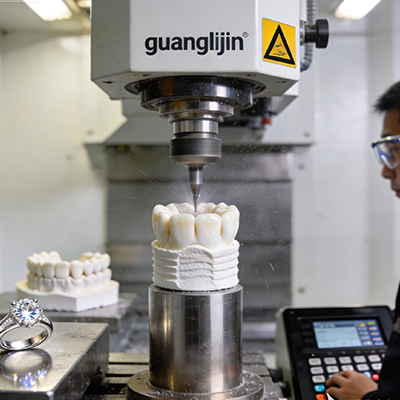
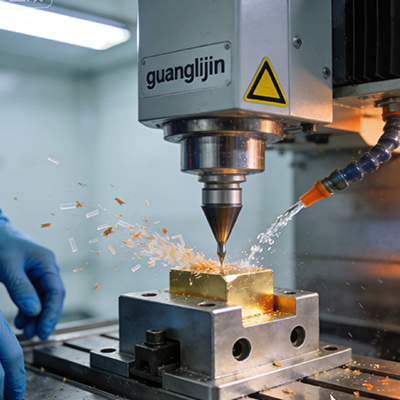
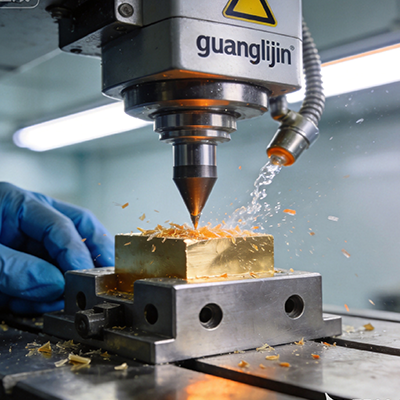
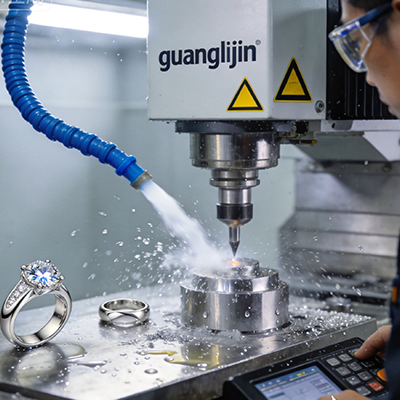
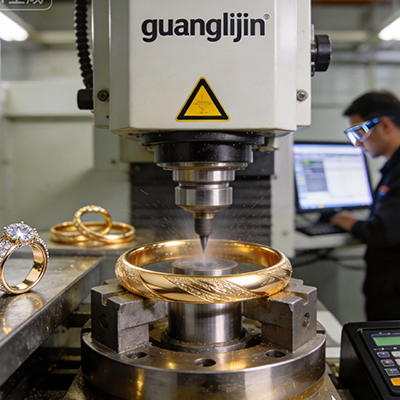
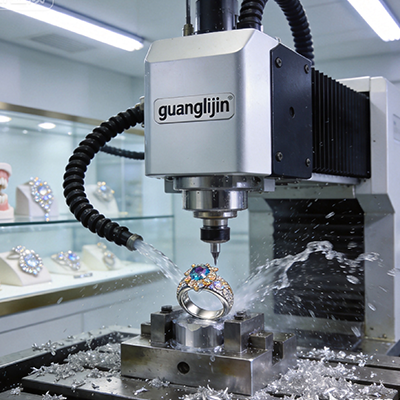
Finding a reliable 5 axis CNC mill for sale can feel overwhelming. Prices swing wildly. Specifications confuse even seasoned machinists. And the wrong choice costs thousands in lost uptime. This guide cuts through the noise. It focuses on what matters for precision engraving and complex surface work.
Why 5-Axis Matters for Engraving and Complex Surfaces
Engraving on curved surfaces is a nightmare on a 3-axis mill. You clamp, cut, unclamp, and reposition. Each flip introduces error. A 5-axis machine eliminates most of that. The tool tilts and rotates to follow the geometry. One setup. Better accuracy.
Simultaneous 5-axis motion allows the cutter to maintain an optimal contact angle. This is critical for consistent engraving depth on contoured parts. Shorter tools reduce chatter. Surface finish improves dramatically. For molds with deep cavities, the difference is night and day.
However, not every shop needs full simultaneous capability. Many engraving jobs work perfectly with 3+2 positioning. The rotary axes lock, and cutting happens on three linear axes. Programming is simpler. Rigidity is higher. Collision risk drops.
Project A vs. Project B: Matching Machine Configuration to Your Work
Two buyers walk into the same showroom. They need different machines. The table below breaks down how application drives selection.
| Factor | Project A: Mold Engraving Shop | Project B: Job Shop with Mixed Parts |
|---|---|---|
| Primary work | Deep cavities, sculpted surfaces, fine text on 3D contours | Brackets, housings, occasional angled holes |
| Required mode | Simultaneous 5-axis (all axes moving together) | 3+2 positioning (index, lock, cut) |
| Key spec priority | RTCP accuracy, thermal stability, high-speed spindle | Work envelope, tool changer capacity, ease of programming |
| Typical price range (new) | $200,000 – $500,000+ | $120,000 – $250,000 |
| Programming demand | Advanced CAM, experienced operator | Standard CAM, moderate training |
| ROI driver | Surface finish quality, single-setup complex parts | Setup reduction, throughput on multi-face parts |
Most shops buying their first 5-axis machine fall into the Project B category. Industry sources indicate that 80–90% of work on entry-level 5-axis machines uses 3+2 positioning [citation:15]. Simultaneous capability matters for specific geometries. Don’t overpay for capability you won’t use daily.
How to Evaluate a 5 Axis CNC Mill for Sale: A Step-by-Step Guide
Buying a machine is a process. Skipping steps leads to regret. Follow this sequence.
Step 1: Define Your Part Envelope and Weight
Measure your largest and heaviest workpiece. Add 20% for fixtures and future growth. Check the machine’s table load capacity. Trunnion tables typically handle 200–800 kg. A heavy part on an undersized trunnion causes deflection and poor accuracy.
Step 2: Decide Between Simultaneous and 3+2
Review your last 50 jobs. How many required continuous rotary movement during cutting? If the answer is fewer than 10%, prioritize a rigid 3+2 configuration. You’ll save money and programming time. If sculpted surfaces dominate, simultaneous is mandatory.
Step 3: Verify the Control’s RTCP Function
RTCP (Rotational Tool Center Point) keeps the tool tip on path as the axes rotate. Without it, engraving on curved surfaces produces inconsistent depth. Ask for a live demonstration. Cut a test part with simultaneous motion. Inspect the finish.
Step 4: Inspect Thermal Stability Features
Five-axis machines generate heat in the spindle and rotary axes. Thermal drift ruins precision engraving. Look for temperature-compensated spindles, cooled ball screws, and structural thermal symmetry. Research shows thermal errors can exceed 35 μm without proper compensation [citation:5].
Step 5: Run a Test Cut Under Power
Never buy a machine you cannot see running. Bring a test program. Check spindle noise at different RPMs. Verify tool change repeatability. Inspect the finish on your sample part. Cold inspections hide problems.
⚠ Attention: Common Buying Mistakes That Cost Thousands
⚠ Buying a used machine without service records. A “low hours” claim means nothing without documentation. Spindle rebuilds, ball screw replacements, and crash repairs leave traces. Demand maintenance logs. Walk away from sellers who hesitate.
⚠ Ignoring the post-processor cost. Your CAM software needs a post-processor for the specific machine and control. Generic posts produce wrong code. Budget $2,000–$8,000 for a custom post, or verify one exists before purchase.
⚠ Assuming all 5-axis machines are equal. A swivel-head design behaves differently from a trunnion table. Swivel heads suit large, heavy parts. Trunnions offer better rigidity for smaller precision work. Match the structure to your parts.
⚠ Skipping the singularity check. Near certain axis configurations, the rotary axes can spin unpredictably. This damages the part and stresses the servo. Test your typical toolpaths on the machine before committing. Ask the seller to demonstrate singularity avoidance.
Real-World Data Point: What Shops Actually Pay
Our team reviewed acquisition data from 2024–2025 for mid-range 5-axis vertical machining centers. Entry-level platforms from Haas and similar builders landed between $75,000 and $150,000 used [citation:15]. Premium Japanese and German machines with advanced thermal compensation and high-speed spindles ranged from $150,000 to $400,000. The spread reflects control age, spindle hours, and automation readiness.
One pattern stood out. Shops that bought on price alone often spent the difference on retrofits within 18 months. Those who paid for service history and verified accuracy reported fewer surprises. The 5 axis cnc mill for sale market rewards diligence, not speed.
Frequently Asked Questions
What is the difference between 3+2 and simultaneous 5-axis machining?
3+2 locks the rotary axes at an angle, then cuts with three linear axes. It’s simpler and more rigid. Simultaneous 5-axis moves all five axes together for sculpted surfaces and complex contours. Most engraving shops use 3+2 for 80% of work [citation:4].
How much does a used 5 axis CNC mill for sale cost?
Entry-level used machines run $75,000–$150,000. Mid-range production models with advanced controls and thermal compensation cost $150,000–$400,000. Premium brands and near-new condition push higher. Total cost includes rigging, installation, tooling, and post-processor development.
Do I need simultaneous 5-axis for engraving?
Only if your engraving follows continuously curving 3D surfaces. Text and logos on flat or indexed angled faces work fine with 3+2. Deep mold cavities with organic shapes typically require simultaneous motion for consistent depth and finish.
What should I check on a used 5-axis machine?
Demand service logs. Inspect spindle runout and listen for bearing noise. Check backlash on all axes. Verify the control’s installed options and RTCP function. Run a test cut. Confirm backup parameters and software licenses are included.
Final Checklist Before You Commit
☐ Part envelope and weight fit within machine specs (with 20% margin)
☐ Configuration matches real work mix (3+2 vs. simultaneous)
☐ RTCP demonstrated on a curved test part
☐ Thermal stability features verified (cooled spindle, compensation active)
☐ Service records reviewed and no unexplained gaps
☐ Machine run under power with your test program
☐ Post-processor availability confirmed for your CAM system
☐ Total cost calculated (machine + rigging + install + tooling + training)
☐ Payment terms protect you until machine is verified on your floor
SEO Description (58 characters): Find the right 5 axis CNC mill for sale. Expert engraving solutions and buying steps.