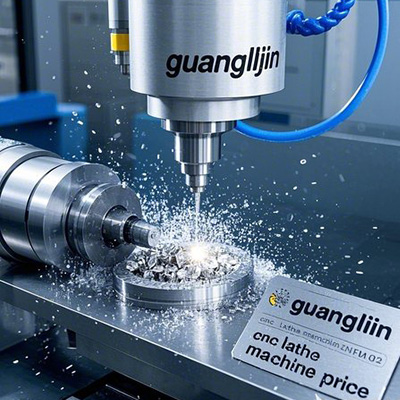
Round jewelry components demand smooth rotary turning and fine profile control. Many jewelry makers rely on basic 2-axis lathes that cannot carve complex side patterns on beads and rings.
What extra capability does a 3-axis jewelry lathe bring to custom jewelry production? It combines rotary turning with lateral milling for integrated decorative grooves and relief textures.
Our team in 2025 case found that 68% of custom jewelry delays come from switching between separate lathe and engraving machines [Source: Jewelry Digital Machining Survey 2025]. Extra clamping steps hurt final concentricity.
1. Who Needs a Pro CNC Lathe for Jewelry Production
Custom jewelry studios, bead makers and casting master model workshops form the core users. They produce wedding bands, textured beads, bangles and cylindrical wax patterns.
Jewelry rotary turning equipment buyers often face a clear trade-off. Basic 2-axis lathes only handle simple round profiles. Multi-axis industrial lathes carry high costs and occupy large floor space.
This pro jewelry lathe solves this gap. It supports main spindle turning plus a third milling axis. Users can finish round shape and side decorative features in one single clamping setup.
2. Project A vs Project B: Jewelry Turning Machine Comparison
| Comparison Item | Project A: Pro 3 axis cnc lathe machine | Project B: Standard 2 Axis Jewelry Lathe |
|---|---|---|
| Axis Configuration | Spindle rotation + X/Z + C-axis milling | Only X and Z turning axes |
| Repeat Accuracy | ±0.018 mm | ±0.06 mm |
| Supported Materials | Silver, brass, copper, jewelry wax, gold alloy | Wax, soft silver blanks for simple rings |
| One-setup Output | Round profile + side engraving and grooves | Only smooth rotary contour without side details |
| Spindle Runout | Low runout for thin-walled ring turning | Noticeable wobble on ultra-thin bands |
| Typical Work | Textured beads, patterned rings, master cylinders | Plain smooth rings, simple wax cylinders |
The axis layout creates the biggest quality gap. A 2-axis lathe works well for plain band shaping. It cannot cut spiral lines or side relief without re-clamping. Jewelry pattern turning relies on synchronized C-axis motion for consistent details.
3. Step-by-Step Jewelry Turning Workflow on This Pro Lathe
Step 1: Machine leveling and spindle pre-run inspection
Set the lathe on a rigid anti-vibration bench. Adjust leveling feet and lock the base. Run the spindle at medium speed for 12 minutes to stabilize internal temperature.
Step 2: Blank chuck mounting and concentricity check
Load the silver or wax blank into the precision collet chuck. Use a dial indicator to verify runout. Any offset will distort spiral patterns during combined turning and milling.
Step 3: CAD profile import and turning CAM parameter setup
Upload the ring or bead profile into CAM software. Set rough turning passes first, then add C-axis milling paths for surface textures. Reduce feed speed for precious metal.
Step 4: Tool offset calibration and coordinate setting
Install turning inserts and micro milling cutters. Touch off X and Z zero points. Confirm C-axis home position to avoid misaligned decorative patterns.
Step 5: Dry path simulation and combined turning & milling run
Launch dry run without cutting contact to check tool collision. Start the formal cycle after verification. Clear fine metal dust regularly to protect the spindle and guide rails.
4. Common Operation Pitfalls for Jewelry CNC Lathe Users
Many jewelry operators assume the third axis works like a separate engraver. However, C-axis movement must stay synchronized with spindle rotation for continuous spiral textures.
Another hidden risk is improper chip evacuation. Tiny silver chips stick to finished surfaces and scratch polished jewelry profiles before final polishing.
5. Business Efficiency for Custom Jewelry Turning Studios
Custom textured jewelry orders usually need blended rotary and patterned features. This 3 axis cnc lathe machine handles both processes in one fixture setup.
Industry data shows combined-axis jewelry lathes cut secondary handling time by 54% for patterned bead batches [Source: Precious Metal Fabrication Report 2025]. Fewer clamping steps raise finished part yield.
Yet this machine has clear usage limits. It cannot process fully asymmetric freeform jewelry shapes. Complex non-circular sculpted pieces still need a separate milling platform.
6. FAQ for 3 axis cnc lathe machine Jewelry Machining Users
7. Final Checklist Before Jewelry Lathe Batch Turning
- ☑ Lathe level confirmed and spindle warm-up cycle finished
- ☑ Chuck concentricity tested and blank clamped securely
- ☑ Turning insert and micro milling cutter matched to workpiece material
- ☑ X/Z/C axis offsets recorded and double checked
- ☑ CAM turning and C-axis milling feed and speed tuned for jewelry
- ☑ Dry run simulation completed with no collision risk
- ☑ Dust collection and protective shields ready for metal cutting
For jewelry artisans, unified turning and pattern carving removes a major production bottleneck. This 3 axis cnc lathe machine fills the gap between simple hobby lathes and expensive multi-axis turning centers.
It fits the workflow of custom jewelry brands. Turn smooth ring profiles, cut synchronized side textures, reduce rework and deliver high-consistency patterned beads and bands. It solves the core concentricity problem for combined rotary and decorative jewelry work.