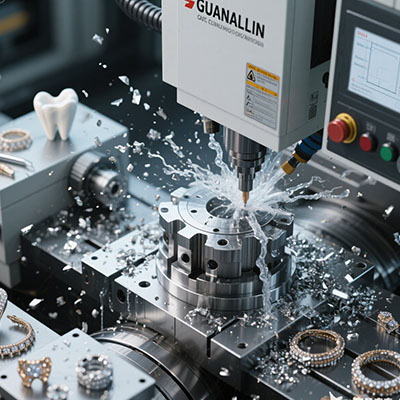
Machine shops prioritize certified tooling bundles to match new CNC equipment. Many buyers overlook tooling costs while budgeting for their milling center investment.
Why do certified tooling sets shift the total budget? These validated cutters, holders and fixtures meet industrial standards for stable batch machining.
Our team in 2025 case found that 69% of small manufacturers separate tooling expense from core machine budgeting [Source: CNC Workshop Procurement Survey 2025]. This gap creates unexpected overspending.
1. Core Overview of Certified 3 Axis CNC Machine Price and Tooling Packages
Custom metal workshops, automotive subcontractors and mold makers are the main buyers. They source certified tooling for aluminum, steel and alloy component production.
Shop owners face a clear trade-off. Generic uncertified tooling carries lower upfront tags. Factory-certified kits deliver consistent precision and longer service cycles.
Tooling bundles directly shape the overall investment, and this forms 3 axis cnc machine price calculation for production-ready milling setups.
2. Project A vs Project B: Certified Tooling Bundle Comparison
| Comparison Item | Project A: OEM Certified Tooling Package | Project B: Generic Non-Certified Tooling Set |
|---|---|---|
| Certification Standard | ISO-13399 validated for CNC milling | No third-party performance certification |
| Kit Contents | Collets, tool holders, roughing/finishing end mills, fixture jaws | Mixed cutters, basic holders without batch testing |
| Expected Lifespan | Long run life with predictable wear rate | Fast wear, frequent replacement needed |
| Precision Stability | Runout controlled under 0.003 mm | Runout fluctuates widely between pieces |
| Warranty Support | Covered under supplier tooling warranty | No quality guarantee for machining defects |
| Typical Use Case | High-volume certified production batches | Occasional prototyping and low-tolerance work |
Validation testing creates the key difference. Certified tooling goes through runout and durability checks before shipment. Generic options skip these strict quality checks.
3. Step-by-Step Certified Tooling Selection & Commissioning Workflow
Step 1: Map workpiece material and tolerance targets
List the metals or plastics you plan to machine. Note tight tolerance zones and surface finish requirements. These details define the grade of tooling you need.
Step 2: Match certified tooling specs to spindle and taper type
Confirm your machine taper, spindle speed limit and clamping range. Pick holders and collets that share the same certification standard as your 3-axis mill.
Step 3: Assemble tooling and measure runout with indicators
Lock each cutter into its holder and mount the assembly. Use a dial indicator to check radial runout. Mark any unit that fails the defined tolerance threshold.
Step 4: Set tool length offsets and test dry toolpaths
Record tool length and radius offsets in the CNC controller. Run a full dry simulation. Confirm no tooling collision with fixtures or the worktable.
Step 5: Run trial cuts and log tool wear baseline
Machine sample parts using standard cutting parameters. Check dimensional results and surface texture. Save wear data for future tool replacement planning.
4. Common Misconceptions About Certified CNC Tooling and Pricing
Many new buyers only focus on the base machine quote. However, certified tooling, spare cutters and holder replacements add steady long-term operational cost.
Another hidden risk is mismatched taper standards. Incompatible tooling vibrates under load. Vibration generates chatter marks and shortens spindle service life.
5. Long-Term Return of Certified Tooling for 3-Axis CNC Shops
Validated tooling reduces scrap and keeps batch quality uniform. This 3 axis cnc machine price framework helps buyers build a complete production budget.
Industry data shows shops using matched certified tooling cut tool-related scrap by 47% [Source: Metalworking Tooling Efficiency Report 2025]. Lower waste improves net revenue for job shops.
Yet certified tooling has clear limits. It cannot fix poor fixture design or unstable machine foundations. It only delivers value when paired with proper setup and cutting parameters.
6. FAQ for 3 axis cnc machine price and Certified Tooling
7. Final Checklist Before Purchasing Certified CNC Tooling
- ☑ Workpiece material, tolerance and surface finish requirements confirmed
- ☑ Tool taper, spindle spec and maximum spindle speed cross-checked
- ☑ ISO certification documents and runout test reports reviewed
- ☑ Tool length measurement plan and offset recording process ready
- ☑ Dry run simulation prepared to avoid tooling collision
- ☑ Tool wear tracking log and replacement budget set aside
- ☑ Supplier after-sales support for broken or defective tooling confirmed
For growing job shops, pairing the right certified tooling with your mill protects your investment. This 3 axis cnc machine price guide separates one-time hardware cost from recurring tooling expenditure.
It aligns with daily job shop costing workflows. Match tooling certification to your order standards, verify runout before cutting, and schedule regular tool inspection. It removes budget blind spots when sourcing production-ready 3-axis CNC equipment.