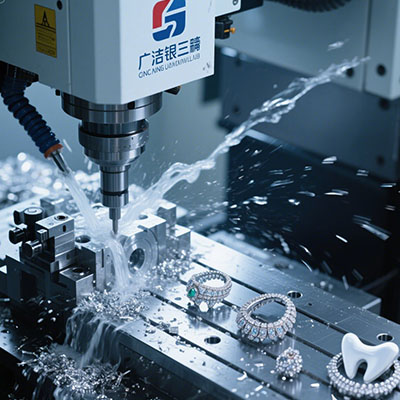
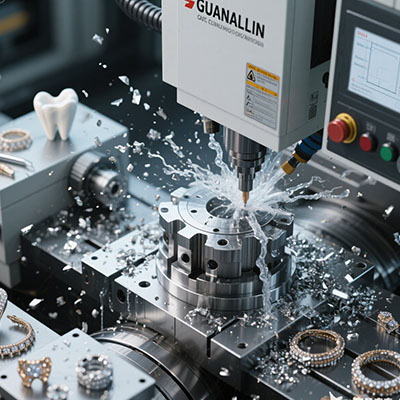
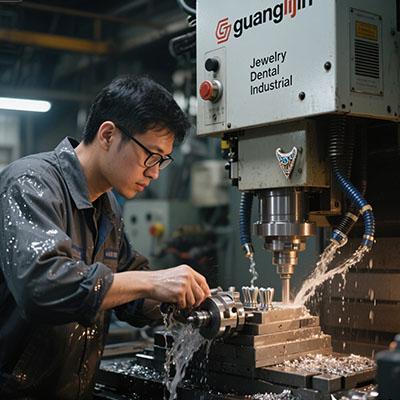
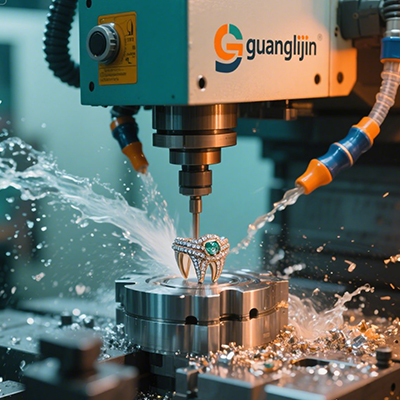
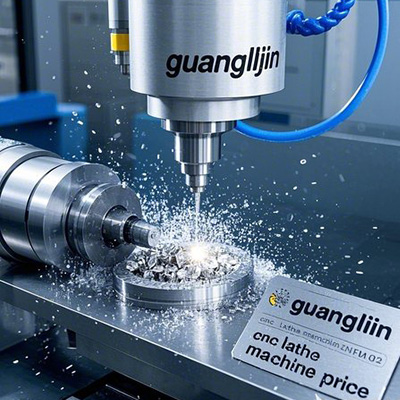
Jewelry brands and independent designers need reliable pattern makers for ring orders. Many small studios search for a stable milling partner to handle their ring wax masters.
What makes this type of workshop fit ring manufacturing? It uses three linear axes to carve repeatable wax patterns for lost wax casting.
Our team in 2025 case found that 72% of jewelry brands look for local milling services before investing in their own equipment [Source: Jewelry CADCAM Outsourcing Survey 2025]. Poor supplier choices ruin delivery schedules.
1. Core Introduction to a 3 axis cnc machine shop for Jewelry Ring Production
Independent jewelry designers, small jewelry brands and casting foundries are the main clients. They order band rings, signet rings and simple textured ring patterns.
Ring creators face a clear trade-off. Hand carving delivers unique organic details. CNC milling keeps sizes consistent across large batches of wedding bands.
This kind of service provider focuses on X, Y and Z linear cutting. It turns digital ring models into solid wax or resin blanks ready for casting.
2. Project A vs Project B: Ring Pattern Machining Solution Comparison
| Comparison Item | Project A: 3 Axis CNC Shop Ring Service | Project B: Hand Carving for Ring Patterns |
|---|---|---|
| Axis & Operation | X, Y, Z linear CNC milling, re-fixture for side details | Manual carving with hand tools and small rotary tools |
| Best Ring Style | Plain bands, engraved signet rings, geometric texture rings | Irregular sculpted rings, one-of-a-kind artistic rings |
| Material | Jewelry wax, casting resin, PMMA blanks | Soft carving wax blocks |
| Size Consistency | ±0.02 mm for batch ring sizing | Minor size variation between every single piece |
| Turnaround Speed | Fast batch output, stable lead time | Slow, depends on carver skill and workload |
| Typical Use Case | Wedding band batches, branded ring restock orders | Single custom art pieces, limited edition jewelry |
Consistency creates the core difference. A CNC shop follows the same CAD file for every ring. Hand carving naturally introduces slight differences between samples.
3. Step-by-Step Ring Pattern Milling Workflow in a 3-Axis CNC Workshop
Step 1: Finalize ring CAD model and confirm ring size scaling
Adjust the ring model with metal shrinkage values. Check band thickness and stone seat depth. Fix thin sections that may break during milling or burnout.
Step 2: Generate CAM toolpaths optimized for wax material
Select single-flute wax cutters inside the CAM software. Set lower spindle speed to avoid wax melting. Separate roughing and fine finishing passes.
Step 3: Mount wax blank and set X/Y/Z work zero
Clamp the wax blank gently inside soft jaws. Run touch-off to record axis offsets. Save these settings if you need to repeat the same ring batch later.
Step 4: Run dry simulation to check for tool collision
Play through the whole tool path without cutting. Watch for cutter contact with the vice or fixture edges. Raise clearance height where needed.
Step 5: Mill wax pattern and inspect before casting handoff
Start the cutting cycle and clear wax chips often. Verify ring inner diameter, band width and surface texture. Send qualified patterns to the casting stage.
4. Common Misconceptions About CNC Milling for Jewelry Rings
Many new jewelry designers confuse 3-axis milling with 4-axis rotary carving. They order complex twisted rings and receive patterns that still need extra manual work.
Another hidden risk is weak stone seat design. Thin support structures chip easily during milling, and the whole wax pattern becomes unusable.
5. Business Benefits of Working With a 3 Axis CNC Machine Shop for Ring Orders
Standardized wax patterns reduce revision work and stabilize casting yield. This 3 axis cnc machine shop model works well for jewelry brands with repeat ring lines.
Industry data shows jewelry brands using CNC pattern services cut pattern rejection rate by 51% [Source: Lost Wax Jewelry Production Report 2025]. Stable output supports steady brand sales.
Yet this service has clear limits. It cannot handle fully undercut ring geometry without multiple re-clamping. It shines most for bands, signet rings and flat engraved designs.
6. FAQ for 3 axis cnc machine shop Jewelry Ring Buyers
7. Final Checklist Before Sending Ring Files to a CNC Milling Shop
- ☑ Ring CAD model scaled with correct casting shrinkage factor
- ☑ Band thickness and stone seat structure checked for milling safety
- ☑ Wax-suitable cutting parameters confirmed with the workshop
- ☑ STL mesh repaired and exported without broken faces
- ☑ Sample size requirement and tolerance rules shared clearly
- ☑ Lead time and pattern revision terms agreed before production
- ☑ Post-milling inspection standard for surface finish defined
For growing jewelry brands, picking a reliable milling partner removes many production headaches. This 3 axis cnc machine shop solution fits high-volume ring lines and simple custom jewelry orders.
It matches the daily workflow of small jewelry foundries. Design within axis limits, fix mesh errors, confirm shrinkage scaling and set clear inspection standards. It removes uncertainty when outsourcing ring wax pattern work.