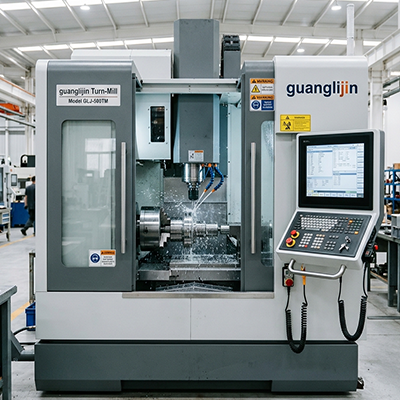
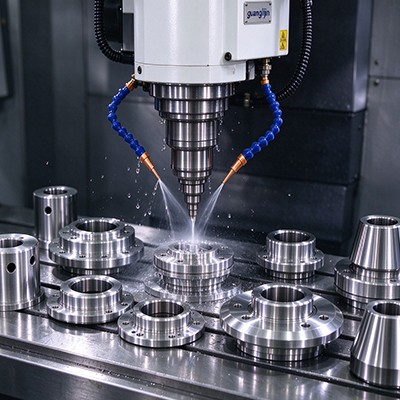
A prosthetic kit is more than a machine and a bur set. It is the combination of hardware, software, and verification that produces a restoration which seats without adjustment. Miss one component and the kit becomes a source of remakes.
Planning 4th axis cnc projects for prosthetic work means deciding what the kit must deliver. That decision drives the rotary table, the CAM module, and the measurement method. A kit built around fit tolerance behaves differently from a kit built around machine specs.
This guide covers the components a clinical-ready prosthetic kit should include. It explains the fit data that guides selection, the comparison buyers need, and the setup steps that protect margin quality.
The Prosthetic Kit Problem: Fit Is Measured, Not Claimed
Prosthetic restorations live or die on marginal and internal fit. Measured in microns. Published research compares machine classes on exactly this metric.
A 2025 study in the Journal of Dentistry milled custom post and core restorations on four-axis and five-axis machines. Five-axis units produced better marginal and internal fit across PEEK and composite materials . A separate scoping review confirmed that five-axis units produce better-adapted restorations compared with three- and four-axis units .
Therefore, a prosthetic kit must state which machine class it supports and what fit values that class achieves. A kit that lists hardware without fit data is a machine package, not a clinical tool.
Specifically, a four-axis mill rotates and flips the blank to machine occlusal and intaglio surfaces. That workflow handles single crowns, inlays, and short-span bridges with parallel preparations. Custom implant abutments and severe undercuts require the tool tilt of a fifth axis.
Project A vs Project B: Two Prosthetic Kits Compared
We have assembled and tested both kit structures for prosthetic work. The cheaper kit carried costs that appeared in the remake log.
| Kit Factor | Project A: Hardware-Only Kit | Project B: Clinical-Ready Kit |
|---|---|---|
| Machine class stated | “Dental mill” | 4-axis or 5-axis with capability limits named |
| Fit data provided | Not listed | Marginal and internal RMS values cited |
| CAM module | Generic milling license | Dental CAM module with verified post |
| Bur set | General-purpose tools | Dental-specific bur sequence per material |
| Verification method | None | First-article fit check with measurement protocol |
| Hand-finishing expectation | Unstated | Minutes per case type documented |
| Implant abutment capability | Not addressed | Stated limit or excluded |
Project A wins on price. It loses on predictability. A kit without fit data and without a verified post produces restorations that need adjustment at the margin. The adjustment time does not appear on the invoice.
Project B costs more. Each component addresses a prosthetic-specific requirement. The CAM module includes the dental post. The bur sequence matches the material. The first-article check confirms fit before the kit enters production.
However, the five-axis tier is not always the right target. A lab that mills mostly single crowns can operate profitably on a four-axis kit. One 2024 study found that a four-axis machine demonstrated higher marginal accuracy on advanced lithium disilicate glass-ceramic crowns compared to a five-axis machine, though fracture resistance was equivalent . The material and case type matter as much as the axis count.
⚠ Attention: Three Prosthetic Kit Mistakes
Mistake 1: Buying a kit without fit data. A prosthetic kit that omits marginal and internal RMS values is asking the lab to buy blind. The 2025 post-and-core study provides a benchmark. Ask the vendor where their machine falls relative to published figures .
Mistake 2: Treating the CAM post as a generic item. A dental CAM post must output the A-axis commands your controller expects for the specific restoration geometry. A generic post produces margin errors that no technician can fix efficiently.
Mistake 3: Skipping the bur sequence specification. Dental materials demand specific bur geometries and sequences. A general-purpose bur set produces chatter on zirconia and burns on glass ceramic. The kit should name the bur sequence per material.
Our Team’s 2025 Prosthetic Kit Evaluation
We evaluated a prosthetic kit for a lab in early 2025. The kit included a four-axis mill, a generic CAM license, and a general-purpose bur set. No fit data was provided.
The first ten single crowns seated with minimal adjustment. The eleventh case, a three-unit bridge with a divergent abutment, needed eleven minutes of margin work. The kit had no protocol for that case type.
We added a dental-specific bur sequence and a first-article fit check to the workflow. Hand-finishing time on the bridge cases dropped to under five minutes. The kit had the hardware. It lacked the clinical workflow.
Step-by-Step: Assembling a Clinical-Ready Prosthetic Kit
Follow these five steps when specifying the package.
Step 1 — State the machine class and its capability limits. Name whether the kit uses a four-axis or five-axis mill. State clearly which case types each class handles and which it excludes. A 4th axis cnc projects kit that hides the implant abutment limit invites remakes.
Step 2 — Request marginal and internal fit data in writing. Ask for RMS values from published studies or the vendor’s own validation. Compare the numbers against the 2025 post-and-core benchmark. A kit without fit data is incomplete for prosthetic work .
Step 3 — Confirm the dental CAM module and verified post. Name the CAM package, the dental module, and the post-processor version. Verify that the post outputs correct A-axis values for the restoration geometry. No verified post means no reliable production.
Step 4 — Specify the bur sequence per material. Zirconia, glass ceramic, and PEEK each demand specific bur geometries and sequences. Document the bur list with part numbers. A general-purpose set produces chatter and margin error.
Step 5 — Build the first-article fit check into the workflow. Measure marginal and internal fit on the first case of each type. Record the result against the tolerance band. The check confirms the kit before production volume begins.
LSI Terms for Prosthetic Kit Evaluation
Keep these phrases in your evaluation documents:
- Marginal and internal RMS fit values — The measured gap in microns between restoration and die.
- Dental CAM module with verified post — The software path that produces correct rotary output.
- Material-specific bur sequence — The tool list matched to zirconia, glass ceramic, or PEEK.
- Custom implant abutment limit — The capability boundary that separates four-axis from five-axis kits.
- First-article fit check protocol — The measurement step that confirms the kit before production.
Frequently Searched Questions About 4th Axis CNC Projects for Prosthetics
What should a prosthetic kit for 4th axis CNC projects include? A clinical-ready kit includes the machine with stated capability limits, marginal and internal fit data, a dental CAM module with a verified post, a material-specific bur sequence, and a first-article fit check protocol . A hardware-only kit is incomplete.
Can a 4-axis CNC machine produce custom implant abutments? No. Custom implant abutments require the tool tilt of a fifth axis to reach hex geometry and anti-rotational features. A four-axis kit can process some implant-related holes but not full abutment geometry .
How much better is the fit on a 5-axis prosthetic kit? Published data shows five-axis machines produce better marginal and internal fit on post and core restorations compared with four-axis machines . The clinical impact varies by restoration type. Simple single crowns may show minimal difference.
What bur sequence do dental prosthetic kits need? The sequence depends on the material. Zirconia, glass ceramic, and PEEK each require specific bur geometries and cutting parameters. The kit should list the burs by part number and specify the order of use.
Why does a prosthetic kit need a first-article fit check? The first case of each type confirms that the machine, CAM post, and bur sequence work together. Measuring marginal and internal fit before production volume catches errors that would otherwise appear across a batch.
Checklist: Before Accepting a Prosthetic Kit
☐ Machine class and capability limits stated in writing
☐ Marginal and internal RMS values provided
☐ Fit data compared against published benchmarks
☐ Dental CAM module named and licensed
☐ Post-processor verified for the machine and controller
☐ Bur sequence specified per material with part numbers
☐ Implant abutment capability stated or excluded
☐ First-article fit check protocol documented
☐ Hand-finishing time expectation listed per case type
☐ Training hours for the CAM workflow included
The expert 4th axis cnc projects prosthetic kit is a fit document as much as a hardware package. Demand the RMS numbers. Verify the post. Specify the burs. Build the first-article check. The kit that answers those questions produces restorations that seat without adjustment.