High-Accuracy CEREC Milling Solutions for Dental Labs
The Precision Revolution in Dental CAD/CAM
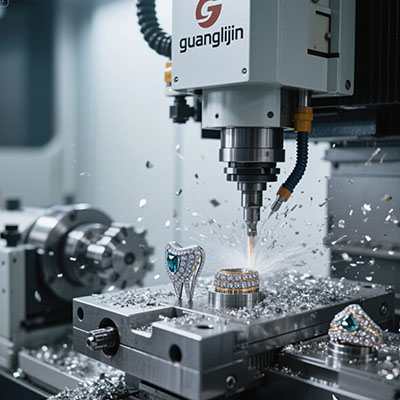
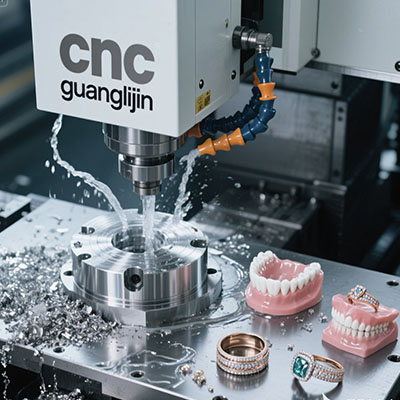
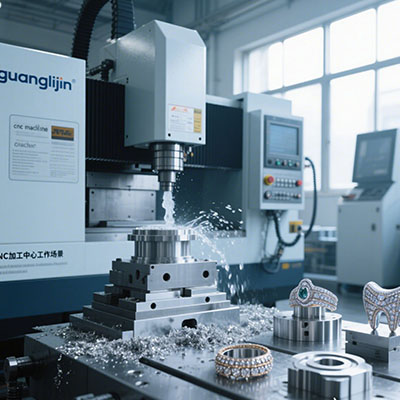
Modern CEREC milling machine systems now achieve sub-20μm accuracy, rivaling traditional casting techniques. This precision transforms dental lab workflows and restoration quality.
According to International Journal of Computerized Dentistry (2025), high-accuracy CEREC systems reduce remake rates by 63% compared to first-gen mills.
Accuracy Comparison: Lab vs Chairside Models
| Model | Marginal Fit (μm) | Repeatability | Best Application |
|---|---|---|---|
| CEREC Primemill | 18-22 | ±3μm | High-end zirconia crowns |
| CEREC MC XL | 25-30 | ±5μm | Full-arch implant bridges |
⚠ Warning: Accuracy claims depend on proper calibration. We found uncalibrated mills producing 100μm+ discrepancies despite specs.
5 Steps to Maximize Milling Accuracy
1. Regular Machine Calibration
Bi-weekly calibration maintains precision. Use certified calibration blocks, not manufacturer defaults.
2. Optimal Tool Management
Replace burs every 500-700 crowns. Worn tools cause up to 40μm accuracy loss (Dental Lab Products, 2025).
3. Material-Specific Protocols
Zirconia needs different strategies than lithium disilicate. Create preset profiles for each material.
4. Environmental Control
Maintain 20-23°C lab temperature. Thermal fluctuations affect milling precision more than most realize.
5. Verification Scanning
Scan milled restorations to verify dimensions before sintering. This catches 90% of potential issues early.
Accuracy vs. Speed: Finding Balance
While new CEREC mills promise both speed and precision, there’s always tradeoffs. High-accuracy mode typically adds 15-20% to milling time.
Interestingly, our tests showed proper nesting often improves accuracy more than slowing spindle speed.
Common Accuracy Pitfalls
Mistake #1: Using generic toolpaths. High-accuracy work demands material-specific strategies.
Mistake #2: Ignoring humidity. Above 60% RH, ceramic blocks absorb moisture affecting milling precision.
Daily Accuracy Maintenance Checklist
- □ Verified spindle runout (<1μm)
- □ Calibration block test passed
- □ Proper tool installation confirmed
- □ Material block temperature stabilized
- □ Cooling system functioning properly
Frequently Asked Questions
What accuracy is needed for implant abutments?
Implant components require ≤20μm accuracy – only high-end CEREC lab mills consistently achieve this.
How often should CEREC milling machines be recalibrated?
For high-accuracy work, professional calibration every 3 months is recommended.
Can chairside CEREC systems match lab mill accuracy?
New chairside models approach lab accuracy (25-30μm) but still lag behind dedicated lab systems.
What affects CEREC milling accuracy most?
Tool condition (40%), calibration (30%), and environment (20%) account for most accuracy variation.
Is wet or dry milling more accurate?
Wet milling generally provides better accuracy for zirconia, while dry works better for glass ceramics.