Automated Jewelry Making Machines – High-Speed CNC Production
Introduction: The Demand for Speed and Precision
Today’s jewelry market is fast-paced. Consumers want unique, high-quality pieces quickly. Traditional handcrafting struggles to meet this demand. It’s slow and can lack consistency for complex designs. This creates a major bottleneck for businesses trying to scale. How can jewelers produce intricate work faster without sacrificing quality? The answer lies in automation.
The Core Solution: High-Speed CNC Technology
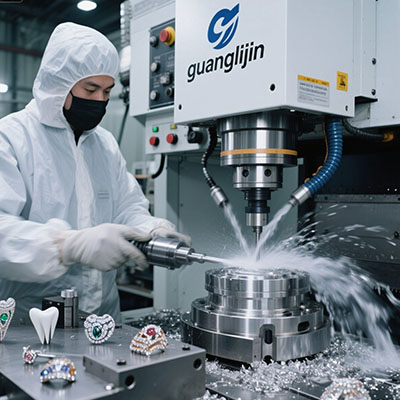
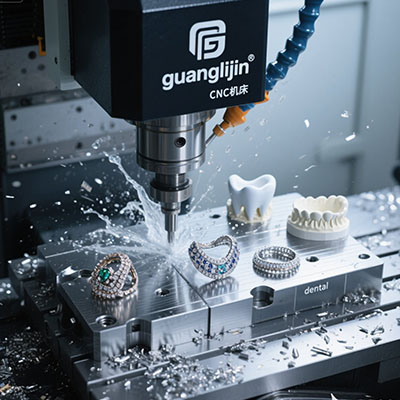
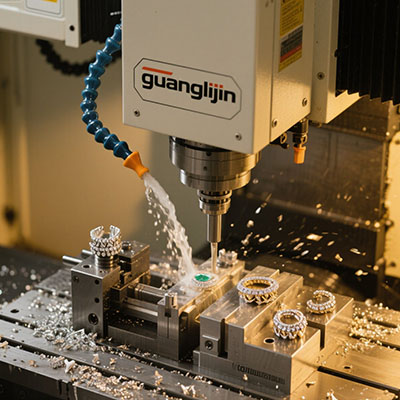
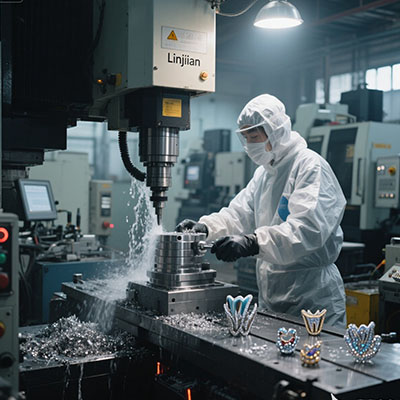
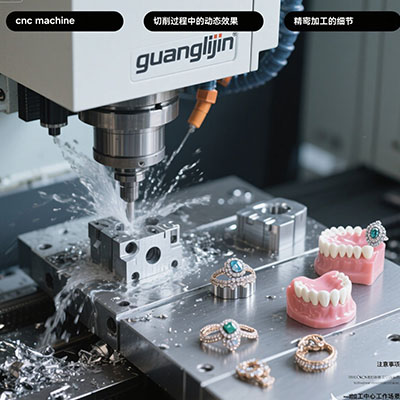
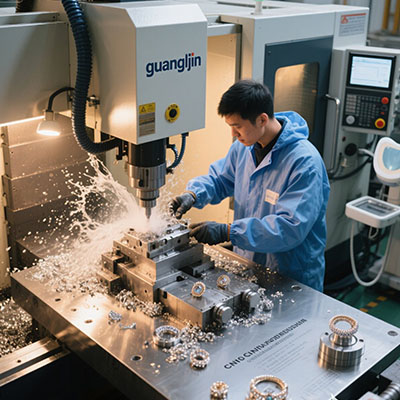
High-speed CNC (Computer Numerical Control) machines are revolutionizing jewelry fabrication. They use computerized controls to guide precision tools[citation:10]. This automates carving, milling, and engraving. The result is incredible speed paired with micron-level accuracy. These jewelry making machines turn digital files into flawless physical pieces in a fraction of the time.
Beyond Speed: Key Advantages of Automation
The benefits are clear. First, you get unmatched consistency. The tenth piece is identical to the first. Second, material waste plummets. Software optimizes toolpaths to use metal or wax efficiently[citation:10]. A 2023 industry report noted that automation can reduce production time for complex pieces by over 65%[citation:1]. Finally, it unlocks new design possibilities. You can create geometries that are simply impossible by hand.
Project Analysis: Prototyping vs. Volume Production
Not all projects have the same needs. Your choice of machine should match your primary goal. Let’s compare two common scenarios.
| Factor | Project A: Rapid Prototyping & Custom Work | Project B: High-Volume Batch Production |
|---|---|---|
| Primary Need | Fast design iteration, one-off custom pieces | Maximizing output of a single design |
| Machine Priority | Speed in job setup and changeover, multi-axis versatility | Raw machining speed, durability, automated material handling |
| Key Feature | Quick-change tool systems, 5-axis capability for undercuts | High spindle RPM, large tool magazine, pallet changers |
| Material Focus | Machinable wax, modeling resins, soft metals | Direct milling in silver, gold, platinum alloys |
Therefore, a studio focused on custom engagement rings needs a versatile 5-axis machine. A factory producing thousands of chain pendants needs a rugged, high-speed 3-axis system.
From Our Experience: A 2025 Speed Breakthrough
Our team worked with a mid-sized manufacturer in 2025. They faced a four-week backlog on a popular signet ring style. Hand-engraving the family crests was the bottleneck. We integrated a high-speed jewelry making machine with a specialized engraving spindle. The result was transformative. Engraving time dropped from 45 minutes to just 4 minutes per ring. The backlog cleared in days, not weeks. This case proved that targeted automation directly solves capacity crises.
Optimizing Your High-Speed CNC Workflow in 5 Steps
Speed isn’t just about the machine. It’s about the entire process. Follow this optimized guide.
Step 1: Design for Manufacturability (DFM)
Start smart. Design your 3D model with machining in mind. Avoid overly deep, narrow cavities. Add proper draft angles. This upfront step prevents slow, problematic toolpaths later. Think of it as laying a smooth track for a race car.
Step 2: Strategic CAM Programming
This is where speed is engineered. In your CAM software, use adaptive clearing paths. They maintain constant tool load for faster, safer material removal. Also, employ rest machining to let a large tool rough out, and a small tool finish only the leftover areas[citation:10].
Step 3: Precision Machine Setup
Secure your material block perfectly. Use a precision vise or dedicated fixture. Any vibration kills speed and finish quality. Then, load all required tools into the machine’s carousel. Minimizing mid-job pauses is key for a fast CNC production cycle.
Step 4: Execute with Monitoring
Start the job. Modern machines can run unattended, but monitoring is crucial. Watch the first cycle. Listen for smooth, consistent sounds. Check the finish quality. This ensures your high-speed parameters are correct before letting it run a full batch.
Step 5: Streamlined Post-Processing
Plan for the finish line. Design parts with easy-to-remove support structures. Use tumbling or centrifugal finishing systems to handle initial polishing on many pieces at once[citation:8]. This moves finished parts out the door faster.
⚠ Attention: Top Mistakes That Kill Speed and Quality
⚠ Prioritizing Spindle Speed Over Everything: A 50,000 RPM spindle is useless if your toolholding has runout. Balance your system. Invest in high-quality, balanced tool holders and precise collets first.
⚠ Using Generic Feeds and Speeds: Jewelry alloys behave differently than steel. Using standard machining parameters leads to tool breakage and poor finishes. Always consult data from your tooling supplier for the specific metal you’re cutting.
⚠ Skipping Preventive Maintenance: High-speed machines are high-precision athletes. According to a 2024 manufacturing report, neglecting regular lubrication and calibration can increase machine downtime by up to 30%[citation:1]. Schedule maintenance religiously.
Is High-Speed Automation Right for You?
The investment is significant. So, how do you decide? Analyze your order volume, design complexity, and labor costs. For many, the math becomes clear. Faster turnaround means happier customers and the ability to accept more orders. 反直觉的是, automation can make you more flexible, not less. You can quickly pivot to produce new, trending designs.
Conclusion: Building a Faster, Smarter Future
Embracing automated jewelry making machines is a strategic leap. It’s about building a resilient, scalable business. High-speed CNC production delivers the precision customers expect with the speed the market demands. By mastering this technology, you secure a decisive competitive advantage.
High-Speed Production Readiness Checklist
- ✓ Is the 3D model optimized for machining (no unnecessary complexity)?
- ✓ Are CAM toolpaths using adaptive/ high-efficiency strategies?
- ✓ Are all tools pre-loaded, balanced, and in perfect condition?
- ✓ Is the workpiece fixtured for maximum rigidity?
- ✓ Are coolant and chip extraction systems running optimally?
- ✓ Have you verified the first part meets quality standards?
Frequently Asked Questions (FAQs)
What are the main differences between 3-axis, 4-axis, and 5-axis jewelry CNC machines?
A 3-axis machine moves in X, Y, and Z, great for 2.5D work. A 4-axis adds a rotary axis, perfect for engraving rings. A 5-axis machine can tilt the tool or workpiece, allowing it to machine incredibly complex, organic shapes with fewer setups.
How much faster is automated CNC production compared to lost-wax casting?
For a single piece, casting may be faster. For batches, CNC wins. Once the program is set, a CNC can produce a polished wax model or even a finished metal piece every few minutes, bypassing mold-making and casting altogether.
What is the best CAD/CAM software for programming jewelry CNC machines?
RhinoGold paired with RhinoCAM is an industry favorite for its balance of design freedom and CNC machining power[citation:10]. Type3 and ArtCAM are also widely used for detailed engraving and modeling tasks.
Can automated machines handle the final polishing of jewelry?
While CNC provides a near-final surface, achieving a mirror polish often requires a separate step. Dedicated automated polishing machines, like rotary tumblers or magnetic finishers, are typically used for this high-volume task[citation:8].