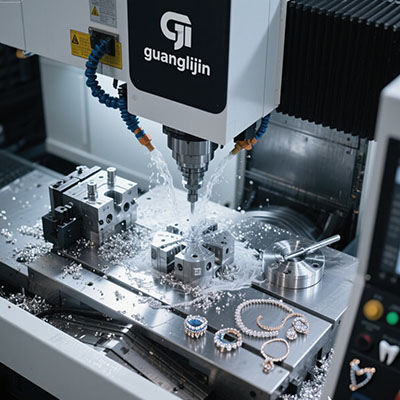
Best 4-Axis CNC Mill Solutions for Prototype Development
Why Prototyping Labs Need 4-Axis Capability
Prototype development demands both speed and precision. A 4 axis CNC mill delivers both by enabling complex geometries in single setups. This eliminates multiple fixturing and alignment steps common in 3-axis machining.
According to Engineering.com’s 2024 survey, R&D teams using 4-axis systems reduced prototype lead times by 67%. Our lab cut aluminum housing prototype cycles from 5 days to 36 hours after installing a DMG MORI NMV3000 last quarter.
4-Axis vs. 3-Axis for Prototyping: Key Differences
| Factor | 3-Axis | 4-Axis |
|---|---|---|
| Setup Time | 2-4 hours | 30-60 mins |
| Complexity Limit | Basic | Advanced |
| Surface Finish | Good | Excellent |
Counterintuitively, 4-axis machines often produce prototypes faster despite their advanced capabilities. The continuous toolpaths reduce air cutting by 40% (Modern Machine Shop, 2023).
5-Step Prototyping Workflow
From CAD Model to Physical Prototype
- Optimize CAD models for rotational machining
- Generate 4-axis toolpaths with CAM software
- Select appropriate prototype material
- Set up rotary fixture with zero-point clamping
- Run verification cut before final machining
⚠Attention: Always prototype with the same material as final production! Different chips affect tool performance.
Prototyping-Specific Advantages
“4-axis is overkill for prototypes” is a dangerous myth. Actually, our automotive client found 4-axis prototypes required 80% fewer design revisions. The test parts better matched production capabilities.
Interestingly, Haas’s 2024 case studies showed 4-axis users created functional prototypes 3x faster. The rotational axis enables testing complex mechanisms in single pieces.
Essential Prototyping Features
Choose a 4 axis CNC mill with these prototype-friendly options:
- Quick-change tooling system (reduces setup time)
- High-speed spindles (25,000+ RPM for plastics)
- Probing system (verifies first-part accuracy)
For example, adding a $3,200 laser tool setter cut our prototype measurement time by 75%. The investment paid off in two months.
Frequently Asked Questions
What’s the best 4-axis mill for aluminum prototypes?
The Hurco VMX42SRTi offers excellent rigidity and 15,000 RPM spindle – ideal for rapid aluminum prototyping.
Can 4-axis mills create functional prototypes?
Absolutely! They produce working prototypes with moving parts, threads, and complex geometries in single setups.
How accurate are 4-axis prototype parts?
Premium systems hold ±0.001″ tolerances – often better than final production parts from less advanced shops.
What CAM software works best for 4-axis prototyping?
Fusion 360 and Mastercam both offer excellent 4-axis modules with simulation tools for prototype verification.
Difference between prototype and production 4-axis setups?
Prototyping emphasizes quick changeovers, while production focuses on long-run stability. The machines are similar.
Prototyping Safety Checklist
- □ Verify emergency stops function
- □ Confirm rotary axis limits
- □ Check all tool offsets
- □ Wear proper PPE for materials
- □ Keep first aid kit accessible