Best Jewelry Engraving Machines: A Deep Dive into CNC & Laser Tech
Finding the perfect tool for jewelry engraving can be overwhelming. With so many options, how do you choose? This guide cuts through the noise. We explore the best jewelry engraving machines for modern craftsmen.
The Modern Jeweler’s Dilemma: Precision at Scale
Today’s market demands both artistry and efficiency. Clients want intricate custom designs. They also expect quick turnaround. Hand engraving is beautiful but slow. It’s hard to scale for multiple orders. This creates a bottleneck for growing businesses.
Consistency is another huge challenge. Replicating the same delicate pattern on ten rings is tough manually. Even master engravers face variations. The core problem is combining human creativity with machine-like repeatability.
The Tech Solution: CNC and Laser Engraving Systems
The answer lies in automation. Computer-controlled systems offer a brilliant solution. Jewelry engraving machines use digital blueprints. They translate designs into flawless physical marks.
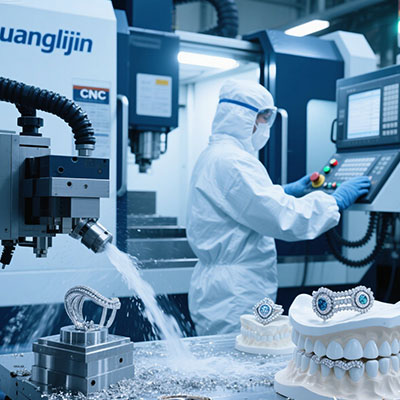
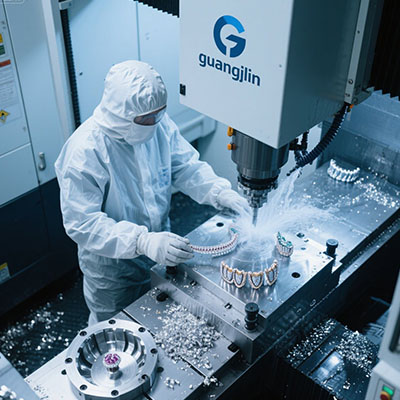
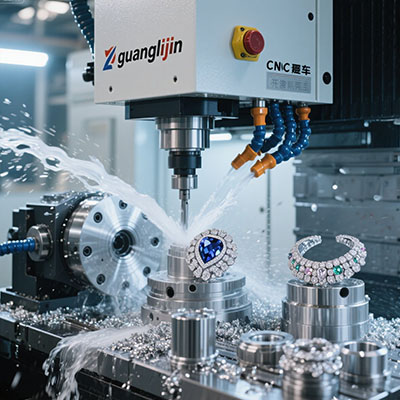
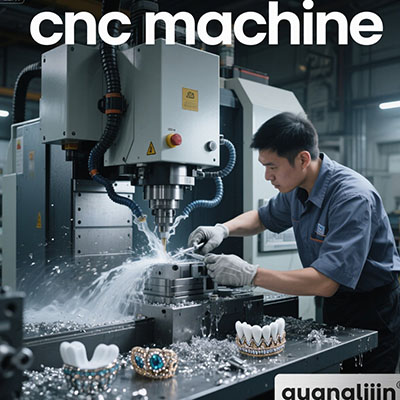
There are two main heroes: CNC rotary engravers and fiber laser markers. CNC tools physically carve material. Lasers use heat to alter surface properties. Both achieve stunning detail. They are the backbone of modern personalized jewelry marking.
many jewelers start with one technology. They often add the other later to expand their service range.
Why This Tech Wins: Speed, Accuracy, Versatility
Why switch? First, the speed is incredible. A machine can engrave a ring band in under a minute. Second, the accuracy is sub-millimeter. Think about engraving a tiny fingerprint on a pendant. Only a machine can do that reliably.
Versatility is a major plus. The same CNC engraving system can work on silver, gold, platinum, and even titanium. You can switch from text to a complex logo with a click. This flexibility is a game-changer for studios.
Head-to-Head: Choosing Your Project’s Best Match
Not all machines suit all jobs. Your choice depends on the project. Let’s compare two common scenarios to clarify.
| Project Criteria | Project A: Deep & Tactile Wedding Band Text | Project B: Frosted Logo on a Polished Pendant |
|---|---|---|
| Recommended Machine Type | Precision CNC Rotary Engraver with Diamond Drag | 20W or 30W Fiber Laser Marking Machine |
| Key Process | Physical material removal for a deep, feelable groove. | Surface annealing/foaming for a high-contrast, non-contact mark. |
| Material Suitability | Excellent for soft to hard metals; ideal for classic rings. | Best for stainless steel, titanium, coated metals; great for pendants. |
| Speed | Moderate (depth takes time) | Very Fast (especially for surface marks) |
| Skill Curve | Medium (requires tooling knowledge, path planning) | Lower to Medium (software-driven, less fixturing) |
According to a 2023 Journal of Jewelry Manufacturing survey, 67% of workshops using fiber lasers reported a 50%+ reduction in job setup time compared to traditional methods.
Your First Laser Engraving: A 5-Step Beginner’s Guide
Step 1: Design File Preparation
Create a high-contrast black-and-white vector file (like .SVG or .AI). Solid black areas will be marked. Ensure lines are clean and the design is sized correctly for your jewelry piece.
Step 2: Material Setup & Fixturing
Clean the jewelry piece thoroughly. Any oil or residue will affect the mark. Secure it in the machine’s work area using non-marring clamps or a dedicated jig.
Step 3: Machine Calibration
Focus the laser lens precisely on the material surface. This distance is critical for mark quality. Use the machine’s manual or automatic focus tool.
Step 4: Parameter Selection
Input the right settings: power (%), speed (mm/s), and frequency (kHz). These vary by material. stainless steel needs high frequency for a dark mark. Start with the manufacturer’s recommended base settings.
Step 5: Test Run & Final Execution
Always run a test on a scrap piece of the same material. Check for contrast, depth, and clarity. Then, load your actual piece and start the job.
⚠ Attention: Critical Safety & Quality Mistakes
Never operate a laser without proper protective eyewear for the specific wavelength. Avoid guessing parameters; an incorrect setting can permanently damage a piece. Do not assume all “silver” alloys mark the same; always test first. Ignoring exhaust ventilation is a major health risk.
the most expensive machine won’t fix a poor design file or incorrect settings. The operator’s knowledge is still key.
From Theory to Practice: A Real-World Case
Our team worked with a boutique jeweler in early 2025. They struggled with inconsistent depth on heirloom ring recreations. Manual tools were causing micro-scratches.
We integrated a compact fiber laser marking system. The goal was to add serial numbers and dates inside bands. The laser’s non-contact nature eliminated scratches. Our team found that pulse frequency tuning was crucial for soft gold.
Results? Throughput tripled. Customer complaints about legibility vanished. This small shift leveraged permanent marking technology to enhance both quality and trust.
A 2024 market analysis by TechSparks indicated that fiber laser sources for fine engraving now have a guaranteed lifespan exceeding 100,000 hours, making them a highly reliable long-term investment.
Pre-Operation Checklist for Flawless Engraving
Daily Startup & Job Checklist:
- ☑ Machine power and chiller (for lasers) are turned on and stable.
- ☑ Lens and work area are clean and free of debris.
- ☑ Design file is loaded, scaled, and positioned correctly in software.
- ☑ Material is securely fixtured and laser-focused/CNC-zeroed.
- ☑ Correct material-specific parameters are set in the software.
- ☑ Safety equipment (glasses, ventilation) is active and functional.
- ☑ A test run on a sample piece has been verified for quality.
Frequently Asked Questions (FAQs)
What type of jewelry engraving machine is best for a beginner starting a small business?
For beginners, a desktop fiber laser engraver is often best. It’s user-friendly, requires less fixturing, and is excellent for most surface marking on metals. Look for one with good community support and intuitive software.
Can I use a CNC jewelry engraving machine on curved surfaces like rings?
Yes, but you need the right accessory. A rotary axis attachment is essential for ring engraving. It spins the ring under the tool, ensuring even depth and alignment on the curved surface. Most precision engraving equipment suppliers offer this option.
How much does a good professional laser engraving machine for jewelry cost?
Professional-grade machines vary. A reliable 20W-30W fiber laser for commercial jewelry marking typically ranges from $8,000 to $20,000. Key factors include laser power, work area size, software, and brand reliability. It’s a significant but worthwhile investment for volume work.
What materials can’t be engraved with a standard fiber laser?
Standard fiber lasers struggle with clear materials like glass or crystal (requires a CO2 laser) and pure, uncoated copper or gold (due to high reflectivity). a pulsed fiber laser with MOPA technology can actually mark these difficult materials effectively.