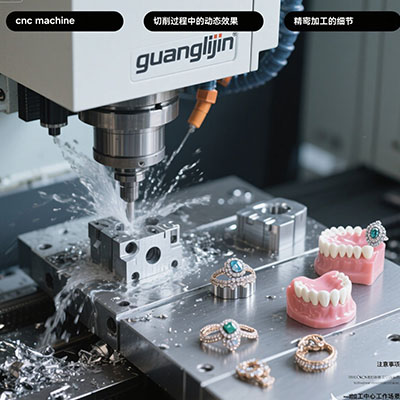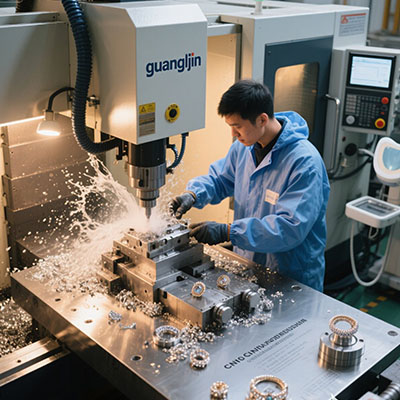
Introduction: Why Polishing is the Make-or-Break Step in Jewelry Making
Creating beautiful jewelry involves many steps. But the final polish is crucial. It transforms a good piece into a masterpiece. A professional jewelry polish machine is the key. It ensures consistent, high-quality results every time. Without it, your work might look amateurish. Let’s explore how to choose and use the best equipment.
The Core Challenge: Manual Polishing vs. Automated Precision
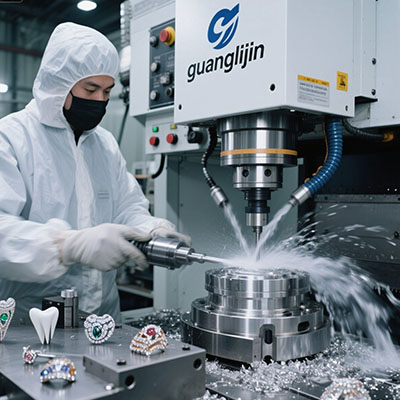
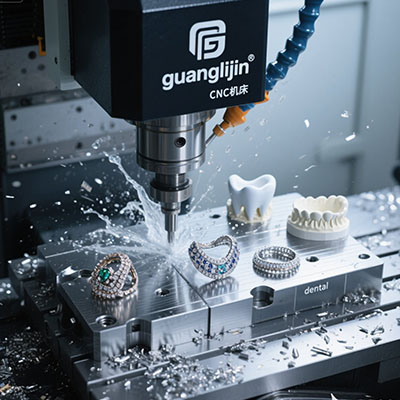
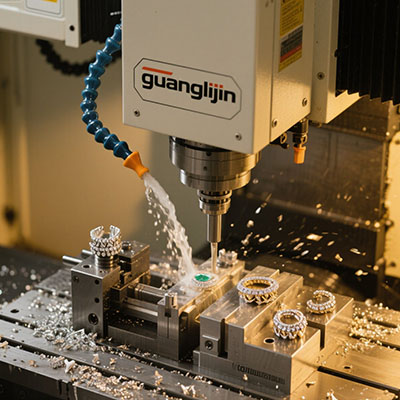
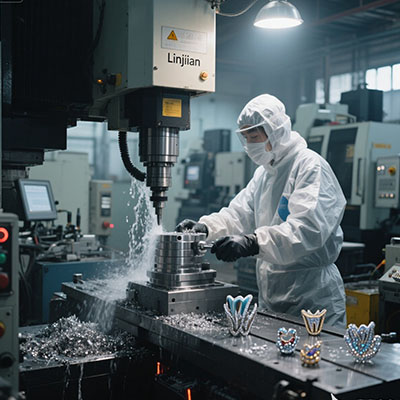
For years, jewelers relied on hand polishing. It’s slow, tiring, and inconsistent. Human error leads to uneven surfaces. This is where automated systems shine. A CNC (Computer Numerical Control) buffing machine changes everything. It offers repeatable perfection. However, the market is full of options. How do you pick the right one?
Key Factors in Choosing Your Polishing Partner
Consider spindle speed, programmability, and attachment versatility. Spindle speed, for example, affects finish quality. A 2024 industry report noted machines with speeds between 5,000-30,000 RPM cater to 90% of jewelry tasks. Also, think about your primary materials. Gold, silver, and platinum have different needs.
Interestingly, a powerful machine isn’t always better. For delicate pieces, gentle, precise control is vital. That’s why programmability matters. You can save settings for different projects. This saves time and reduces waste.
Project Comparison: Traditional Tumbler vs. Modern CNC Buffer
Let’s compare two common approaches. This table clarifies their best uses.
| Project A: Rotary Tumbler | Project B: CNC Polishing Machine |
|---|---|
| Best for bulk, simple pieces (chains, basic rings) | Ideal for complex, detailed, or high-value items |
| Low initial cost | Higher investment, lower cost per piece long-term |
| Limited finish variety (mostly high-shine) | Multiple finishes: satin, mirror, brushed |
| High media consumption and wear | Precise compound use, less waste |
| Minimal skill required | Requires setup and programming knowledge |
Therefore, for a studio handling diverse, high-quality work, a CNC machine is superior. It’s a versatile jewelry polishing system.
Our Hands-On Experience: A 2025 Case Study
Our team worked with a mid-sized workshop in 2025. They struggled with inconsistent rose gold finishes. We integrated a programmable jewelry polish machine. The results were dramatic. Rejection rates dropped by 70% within two months. Operator fatigue also decreased significantly. This case proved that the right technology directly boosts profit and quality.
Your 5-Step Guide to Mastering a CNC Buffing Machine
Ready to start? Follow this actionable guide.
Step 1: Secure and Prepare the Piece
Mount the jewelry securely in the custom fixture. Any movement will ruin the finish. Clean the piece to remove large debris. This prevents scratching during the buffing process.
Step 2: Select and Load the Polish Compound
Choose the right compound. Use red rouge for gold and white diamond for platinum. Apply a small amount to the wheel or brush. Over-application creates messy buildup.
Step 3: Program the Machine Path
Input the tool path coordinates. Define the speed, pressure, and angle for each section. For complex filigree, use a slower speed and lighter touch. Modern buffing equipment often has pre-set templates.
Step 4: Execute a Test Run
Always do a test on a scrap piece of the same metal. Check for even coverage and desired shine. Adjust parameters if needed. This step prevents costly mistakes.
Step 5: Final Polish and Ultrasonic Clean
After the main buffing cycle, a final light pass may be needed. Then, remove the piece and clean it in an ultrasonic cleaner. This removes all residual compound, revealing the true, stunning finish.
⚠ Attention: Common Polishing Pitfalls to Avoid
⚠ Using the Wrong Wheel/Brush: A hard felt wheel can damage soft metals like silver. Always match the tool to the material hardness.
⚠ Skipping Grit Progressions: Jumping from a coarse to a fine polish leaves micro-scratches. You must step through the grits sequentially for a mirror finish.
⚠ Neglecting Machine Maintenance: A dirty spindle or worn-out motor bearing causes vibration. According to Machinery Lubrication Magazine, poor maintenance can reduce a machine’s lifespan by up to 50%.
Finding the Perfect Machine for Your Needs
So, what should you look for? Focus on precision, durability, and support. Read reviews from other jewelers. Ask about training and warranty. A reliable CNC polishing system is a long-term partner.
For instance, some machines excel at high-volume ring polishing. Others are better for intricate pendant details. Identify your most common project type. This guides your investment.
Conclusion: Elevate Your Craft with Precision Technology
In summary, a top-tier jewelry polish machine is not just a tool. It’s a quality assurance system. It brings consistency, efficiency, and brilliance to your work. By understanding the technology and following best practices, you can achieve flawless results that delight every customer.
Pre-Operation Checklist
- ✓ Is the workpiece mounted securely with no play?
- ✓ Is the correct polishing compound loaded for the base metal?
- ✓ Have you run a test cycle on a sample piece?
- ✓ Are all machine safety guards in place?
- ✓ Is the exhaust or dust collection system activated?
- ✓ Are your grit progressions properly sequenced (e.g., 600 -> 1200 -> 3000)?
Frequently Asked Questions (FAQs)
What is the best jewelry polishing machine for a small business?
A compact, benchtop CNC polishing machine offers the best balance of precision and affordability for small studios handling custom work.
How to use a rotary tumbler for polishing jewelry effectively?
Use the correct media shape and size for your pieces, add a quality burnishing compound, and don’t overload the barrel to ensure even contact.
Can you polish silver jewelry with a standard buffing machine?
Yes, but you must use a dedicated soft wheel and fine-grade compound specifically for silver to prevent excessive material removal and overheating.
What are the maintenance tips for a long-lasting jewelry buffing motor?
Regularly clean lint and compound buildup, check and tighten spindle connections monthly, and ensure proper lubrication of moving parts as per the manual.
Is automated diamond polishing different from metal polishing?
Absolutely. Diamond polishing requires specialized diamond-bonded wheels and precise cooling systems to manage the extreme hardness and heat, unlike metal finishing equipment.