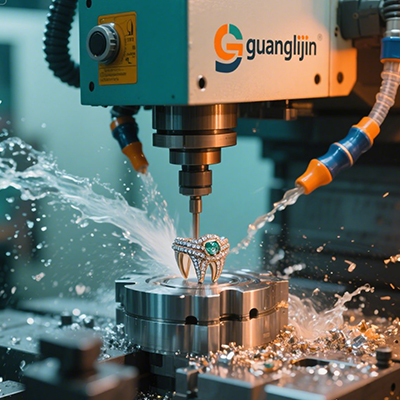
Speed sells machines. Performance keeps them productive. A spindle that spins at 20,000 rpm means nothing if the structure chatters at full reach. A controller with deep look-ahead means nothing if the post-processor cannot feed it. Real performance is a system property.
The Performance Problem: Where Multi-Axis Systems Lose Time
Buyers compare rapid traverse rates and spindle speeds. Those numbers rarely determine throughput. On multi-axis work, the real time sinks are tool changes, rotary repositioning, and program verification. A machine that moves fast between cuts still loses hours to poor integration.
Therefore, performance must be measured end to end. How fast does the system go from CAD model to first good part? How often does it stop for probe checks? How much time goes to re-posting toolpaths after a minor change? Those questions reveal more than a spec sheet.
Specifically, high-performance multi-axis systems win on three fronts. They accelerate and decelerate with less settling time. They keep the tool engaged through continuous five-axis motion. They recover quickly from interruptions. Weakness on any front erodes the advantage of the others.
Project A vs. Project B: Performance in Practice
| Criterion | Project A: Aluminum Structural Frame (900mm, high mix) | Project B: Titanium Engine Bracket (400mm, low mix) |
|---|---|---|
| Production pattern | Small batches, frequent changeovers | Steady runs, long cycles |
| Performance bottleneck | Setup and programming time | Cutting time and tool life |
| Axis demand | 5-axis with fast 3+2 indexing | 5-axis simultaneous, rigid structure |
| What matters most | Fast probing, quick post regeneration, pallet flexibility | Spindle torque, thermal stability, chip evacuation |
| Cycle time delta vs. baseline | −30% from setup reduction | −18% from parameter optimization |
| Verdict | Performance comes from workflow, not raw speed | Performance comes from rigidity and thermal control |
Project A shows that workflow speed beats axis speed in high-mix work. Project B shows that rigidity and thermal stability drive throughput in steady runs. A single machine cannot optimize both equally. Know your production pattern before you buy.
Step-by-Step: Evaluating a High-Performance Multi-Axis System
Step 1: Measure Time from Model to First Good Part
Ask the supplier to walk through their workflow. How long does programming take? How is the post validated? How fast is the first-article probe cycle? The total time from CAD to good part is the real performance number. It often dwarfs cutting time in high-mix shops.
Step 2: Check Acceleration and Settling Behavior
Rapid traverse rate is a headline. Acceleration and settling time decide actual cycle time. Ask for acceleration figures on the rotary axes. Ask how long the machine takes to stabilize after a B-axis move. Slow settling kills productivity on parts with many features.
Step 3: Review Thermal Stability Under Continuous Load
Performance fades as the machine heats. Spindle and structural thermal growth can reach 0.03–0.05mm over a long cycle . Ask for thermal compensation data. Ask how the machine performs after eight hours of continuous cutting, not just at cold start.
Step 4: Validate Chip Evacuation and Coolant Strategy
High-performance cutting generates chips fast. Poor evacuation causes recutting and tool wear. Ask how the machine handles chip volume at your removal rates. Through-spindle coolant and high-pressure systems matter more as axis count and cutting speed rise.
Step 5: Test the Controller and Post as One System
Controller look-ahead enables smooth simultaneous motion. The post-processor must feed it correctly. Ask for a test cut on a representative simultaneous path. Compare the result against the CAM model. Deviation above tolerance means the software chain is not ready.
⚠ Attention: Performance Myths in Multi-Axis Systems
Myth 1: More axes always mean more throughput. Extra axes add motion complexity and setup time. High-mix shops often lose throughput to over-configured machines. Match axis count to the geometry you actually run.
Myth 2: Higher spindle speed equals faster production. Speed without rigidity causes chatter and tool wear. Aerospace alloys reward stable cuts. A slower, rigid cut often finishes faster than a fast, unstable one.
Myth 3: Rapid traverse rate predicts cycle time. Acceleration, settling, and tool change time dominate real cycles. Ask for the full motion profile, not the top speed.
Myth 4: A powerful controller fixes a weak post. The controller can only execute what the post delivers. A generic post introduces error and forces slower feed rates. Test the pair together.
Myth 5: Thermal performance is a summer problem. Thermal drift happens year-round in production. It depends on duty cycle, coolant strategy, and machine design. Ask for continuous-load data.
First-Person Lesson: A 2025 High-Mix Case
Our team worked with a shop in 2025 running high-mix aluminum frames on a 6-axis system. The machine was fast. The shop was not. Programmers spent two days per job regenerating posts for minor design changes. First-article probing took half a shift.
We rebuilt the post with parametric feature recognition and standardized the probe routine. Setup time dropped by 40%. The machine itself did not change. The system around it did. Performance came from the workflow, not the hardware.
What High-Performance Multi-Axis Systems Really Require
Performance is a chain. The CAD model feeds CAM. CAM feeds the post. The post feeds the controller. The controller drives the machine. The machine cuts the part. The probe verifies it. Weakness anywhere limits the whole chain.
Integration separates capable shops from equipped ones. In-process probing, first-article inspection reports, and material certificates to EN 10204 3.1 are baseline expectations for serious work . A system that cannot verify its own output cannot sustain performance over time.
For demanding production, the right most axis CNC machine is the one whose entire chain is tuned. Ask for workflow data, thermal performance under load, and a validated post. Those answers predict throughput better than any spec sheet.
Checklist: High-Performance System Evaluation
☐ Time from CAD model to first good part measured
☐ Rotary axis acceleration and settling data reviewed
☐ Thermal stability under continuous load confirmed
☐ Chip evacuation and coolant strategy matched to removal rates
☐ Controller look-ahead capability verified with test cuts
☐ Post-processor validated against representative simultaneous paths
☐ In-process probing routine documented and timed
☐ First-article inspection report from comparable work reviewed
☐ Material certificates to EN 10204 3.1 confirmed
☐ Workflow for engineering changes measured and optimized
Frequently Asked Questions
What defines a high-performance most axis CNC machine system?
End-to-end workflow speed. Acceleration, settling time, thermal stability under load, chip evacuation, and a validated post all contribute. Axis count alone does not predict performance. Ask for time-to-first-good-part data.
How many axes does a high-performance CNC system need?
Most production work runs well on 5-axis platforms. High-mix shops benefit from fast 3+2 indexing. Complex continuous surfaces need simultaneous 5-axis. Higher axis counts serve specific geometries like blisks and turned parts.
Why does thermal stability matter for multi-axis CNC performance?
Thermal growth erodes precision and forces slower feeds or rework. Spindle and structural heat can move a part 0.03–0.05mm over a long cycle . Active compensation and coolant control keep performance steady across the shift.
How do I test a multi-axis CNC machine’s real throughput?
Request a test cut on a representative part. Measure time from program load to verified first article. Include probing and any rework. The total time, not the spindle speed, predicts real throughput.
What role does the post-processor play in multi-axis performance?
The post translates CAM paths into machine motion. A weak post introduces surface error and forces conservative feeds. A validated custom post enables full controller look-ahead. Test the post and controller together on simultaneous paths.
Closing Thought
High performance is not a number on a brochure. It is a chain with no weak links. Measure the workflow. Test the thermal behavior. Validate the post. Time the probe. Do those things, and the system you buy will perform the way the spec sheet promised.