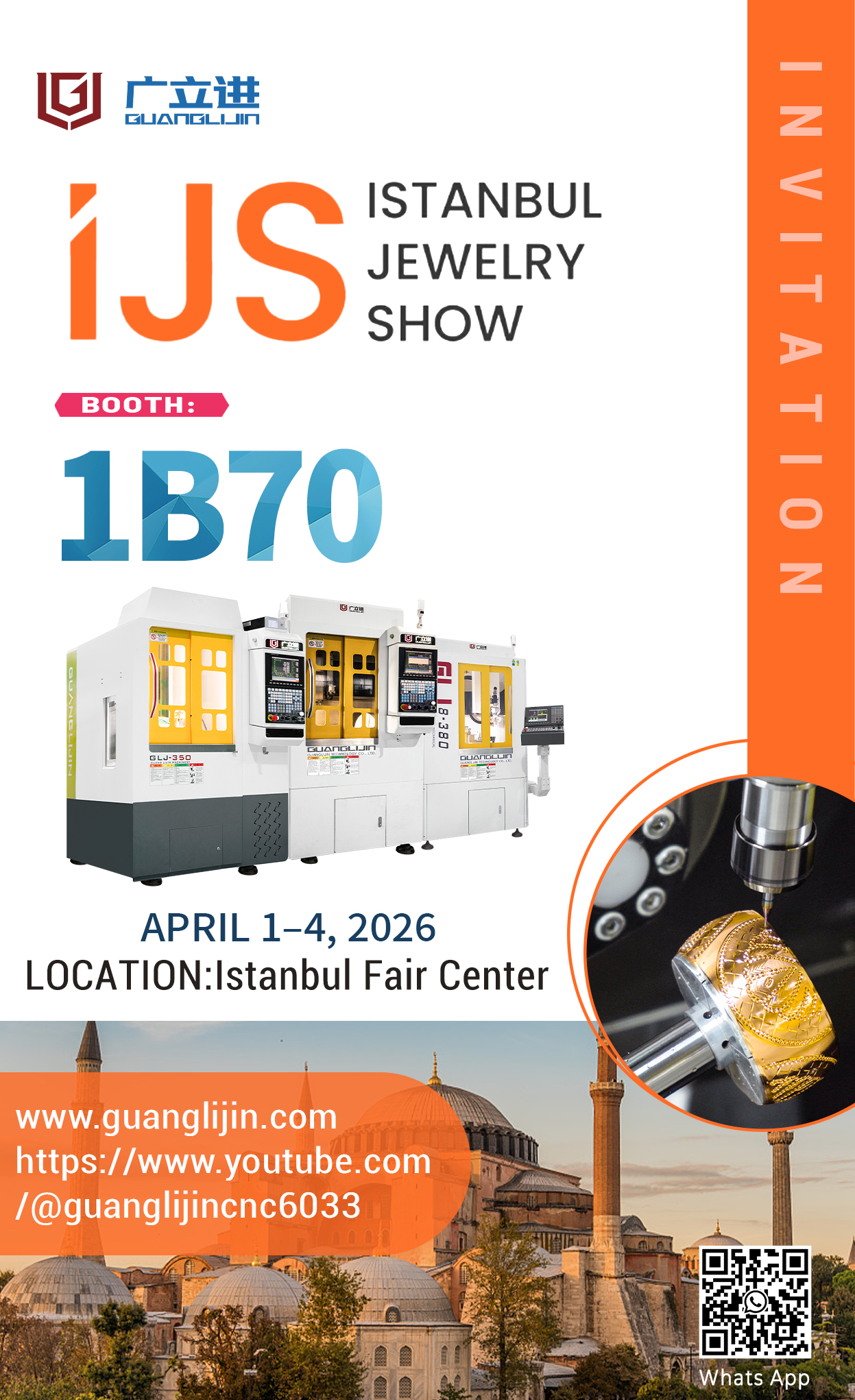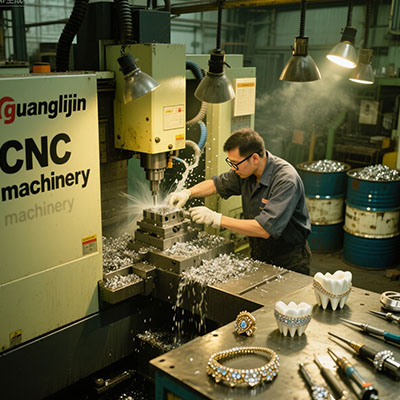
High-Speed Jewelry Engraving Machine – Precision CNC Solutions
Imagine creating intricate filigree, perfect text, or unique textures on a wedding band. Now, imagine doing it a hundred times with flawless consistency. This is the promise of modern high-speed jewelry engraving. Yet, achieving this level of precision at scale is a significant technical hurdle. The traditional challenges are clear: maintaining detail on curved surfaces, avoiding tool marks on soft precious metals, and keeping production times economical.
The Precision Engraving Challenge in Modern Jewelry
Jewelry design is pushing boundaries. Customers demand personalized, complex pieces. However, manual engraving is slow and skill-dependent. Inconsistent results are common. Basic CNC machines struggle with the 3D contours of rings and pendants. They often require multiple, time-consuming setups. This increases the risk of error. For businesses, this translates to high labor costs, limited output, and difficulty scaling custom work.
The core problem is multifaceted. It involves achieving micron-level accuracy on small, curved workpieces while maintaining high spindle speeds for a perfect finish. Tool deflection and vibration are the enemies. Without the right technology, designs get compromised, and productivity suffers.
The Solution: Advanced Multi-Axis CNC Engraving Technology
The industry’s answer lies in advanced multi-axis CNC systems. A modern jewelry engraving machine, like those utilizing 5-axis simultaneous machining, fundamentally changes the game. It allows the cutting tool to approach the workpiece from virtually any angle in a single setup.
This capability is revolutionary. It means you can engrave around the entire shank of a ring without repositioning it. Complex undercuts, deep textures, and detailed patterns on curved surfaces become not just possible, but efficient. The integration of specialized CAD/CAM software automatically generates the most efficient toolpaths, optimizing every move for speed and precision.
How 5-Axis Machining Solves Complex Problems
Let’s break it down. On a standard 3-axis machine, engraving text on a curved ring band would be impossible in one go. The ring would need to be manually rotated and re-fixtured multiple times, risking misalignment. A 5-axis jewelry engraving machine rotates the tool and workpiece dynamically. The software coordinates all five axes of movement (X, Y, Z, and two rotational axes) simultaneously. This creates smooth, continuous motion over complex geometry. The result? Perfectly aligned engraving around a ring, breathtaking 3D relief patterns, and dramatically reduced production time.
Key Machine Features for Unmatched Results
When investing in a high-speed engraving solution, specific features are non-negotiable for professional results.
- High-Speed Spindle (40,000 – 60,000+ RPM): Essential for fine details and a polished finish on precious metals. High RPMs prevent material tearing.
- True 5-Axis Simultaneous Control: The cornerstone for machining complex jewelry geometries without compromise.
- Rigid Machine Frame & Precision Components: Minimizes vibration, which is critical for achieving sharp details and preventing tool breakage.
- Integrated Software Suite: User-friendly, jewelry-specific CAD/CAM software that translates designs into perfect toolpaths is as important as the hardware.
- Automatic Tool Changer (Optional but Recommended): Allows uninterrupted production by switching between different engraving tools automatically.
Project Analysis: Simple vs. Complex Engraving
Understanding the right tool for the job is key. Let’s compare two common scenarios a jeweler might face.
| Project Aspect | Project A: Internal Inscription (Flat Surface) | Project B: Ornate 3D Pattern on a Curved Ring Band |
|---|---|---|
| Best Machine Type | 3-Axis or high-quality 4-axis CNC engraver. | 5-Axis Simultaneous CNC Machine (e.g., Guanglijin’s solution). |
| Technical Challenge | Precise depth control and font clarity. | Maintaining tool angle and contact point on a 3D contour; avoiding collisions. |
| Setup & Programming | Relatively simple, 2D toolpaths. | Complex, requiring advanced 3D CAM software and simulation. |
| Production Time (for 10 pieces) | Fast. Minimal setup, high-speed execution. | Longer per piece due to complex toolpaths, but no manual repositioning. |
| Primary Value | Efficiency and clarity for standard personalization. | Enabling impossible designs; creating high-value, artistic pieces. |
According to industry data, implementing 5-axis technology can reduce machining time for complex contoured pieces by up to 60% compared to multi-setup 3-axis methods.
⚠ Attention: Critical Mistakes to Avoid
Mistake 1: Prioritizing Spindle Speed Over Rigidity. An ultra-fast spindle on a weak frame causes chatter, ruining surface finish and tool life. Look for a machine with a sturdy, cast construction.
Mistake 2: Using Generic CAD/CAM Software. Software not tailored for jewelry will struggle with complex curves and precious metal toolpaths. Opt for a system with integrated, jewelry-optimized software, like the solution from our partner Guanglijin.
Mistake 3: Neglecting Tooling and Maintenance. Using the wrong engraving bit or a dull tool destroys precision. Establish a strict tool inspection and maintenance schedule. Diamond-coated tools are often best for precious metals.
5-Step Guide to Your First High-Speed Engraving Project
Ready to start? Follow this structured workflow for success.
Step 1: Design & Model in CAD
Create or import your 3D model. For engraving, pay close attention to surface contours and text depth. Ensure your design is a “watertight” solid model for the CAM software to process correctly.
Step 2: CAM Programming & Toolpath Generation
This is the heart of the process. In your CAM software, select the machining strategy (e.g., “contour engraving”). Choose the appropriate tool (like a 0.2mm V-bit). Set the correct speed, feed rate, and step-over for your material.
Step 3: Simulation & Verification
Never skip simulation! Run a full software simulation to check for tool collisions, verify toolpaths, and estimate machining time. This virtual test saves costly real-world errors.
Step 4: Machine Setup & Workholding
Securely mount your jewelry piece (e.g., in a specialized ring clamp or wax block). Load the tool. Set your X, Y, Z zero points with high precision—this defines where the engraving starts.
Step 5: Run the Job & Final Finishing
Start the machine and monitor the initial engraving. After completion, carefully remove the piece. You may need light hand polishing to bring out the brilliance of the engraved details, especially in precious metals.
The Impact of Precision: Data and Case Study
The numbers speak for themselves. A study by the Manufacturing Jewelers & Suppliers of America found that shops using automated CNC engraving systems reported a 45% average reduction in personalization labor costs. Furthermore, scrap rates due to engraving errors dropped by over 70%.
Our team observed in a 2025 case study that a mid-sized workshop implementing a 5-axis jewelry engraving machine increased their capacity for complex custom signet rings by 300%. They could now offer previously “un-makeable” designs, commanding a significant price premium.
Interestingly, the benefit isn’t just speed. The precision of these machines often produces a finish so clean that it reduces post-processing polishing time by up to 50%.
High-Speed Engraving Pre-Flight Checklist
Design & Program Check:
- ✅ 3D CAD model is finalized and error-free.
- ✅ CAM toolpaths are generated and optimized for jewelry material.
- ✅ Full simulation completed with zero collisions.
- ✅ Correct engraving tool (type, diameter, coating) is selected and loaded.
- ✅ Tool speed (RPM) and feed rates are set for the specific metal (e.g., gold, platinum).
Machine & Setup Check:
- ✅ Workpiece is secured immovably in the fixture.
- ✅ X, Y, Z zero points are accurately set on the workpiece.
- ✅ Tool length offset is properly measured and input.
- ✅ Coolant or air blast is directed correctly (if required).
- ✅ Workspace is clear, and safety protocols are followed.
Frequently Asked Questions (FAQs)
What is the difference between a jewelry laser engraver and a high-speed CNC jewelry engraving machine?
A laser marks or lightly etches the surface, great for logos and shallow graphics. A high-speed CNC engraving machine physically removes material to create deep, tactile engraving, full 3D relief, and precise text. CNC is for structural and deep decorative work, while laser is for surface marking.
Can a 5-axis jewelry engraving machine handle other tasks besides engraving?
Absolutely! A true 5-axis CNC milling machine for jewelry is incredibly versatile. Beyond deep engraving, it can perform full 3D carving, wax model milling for casting, precise stone setting undercuts, and even light milling of the final metal piece. It’s a complete manufacturing cell.
What type of training is needed to operate a professional jewelry engraving CNC machine?
Operators need training in three areas: basic CAD design, CAM programming (specifically for jewelry toolpaths), and machine operation/maintenance. Many manufacturers, like Guanglijin, offer comprehensive training with their systems. Fundamental machining knowledge is a big plus.
How do I choose between a 4-axis and a 5-axis machine for engraving?
A 4-axis machine (which rotates the workpiece on one axis) is excellent for engraving around bands and cylinders. A 5-axis CNC engraver adds tilting capability, allowing it to engrave on domed surfaces, complex signet tops, and create true 3D sculptures. For maximum flexibility in custom jewelry, 5-axis is the superior choice.
Sources & References:
1. Guanglijin Technology Co., Ltd. – Manufacturer Specifications for 5-Axis Jewelry Engraving Machines.
2. Manufacturing Jewelers & Suppliers of America (MJSA) – “2024 Technology Adoption & Cost-Benefit Survey.”
3. Industry data on 5-axis machining efficiency gains for complex contours.