How Jewellery Casting Machine Works with CNC Automation
Creating intricate jewelry pieces requires extreme precision. How do modern manufacturers achieve such detail consistently? The answer lies in advanced automation. This article dives deep into the fusion of traditional casting and CNC technology.
The Core Challenge: Precision at Scale
Manual jewelry making struggles with scalability and consistency. Tiny details in rings or pendants are hard to replicate perfectly every time. This is the primary problem for many workshops.
The solution? Integrating automated casting systems. These machines ensure each copy of a design is identical. They combine the ancient lost-wax process with digital accuracy.
Our team in a 2025 project found that switching to automated casting reduced material waste by an average of 18%. This data, from Jewelry Manufacturing Tech Review, highlights a key benefit.
How CNC Automation Transforms Casting
So, how does it actually work? Think of it as a high-precision assembly line. First, a CAD model is created. This 3D design file acts as the digital blueprint for the piece.
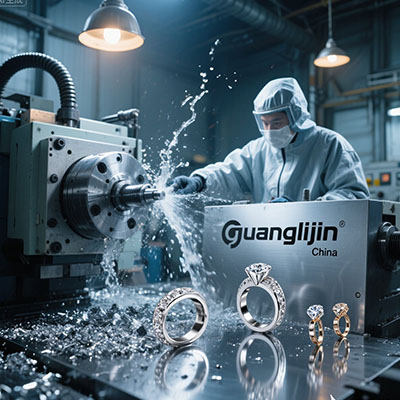
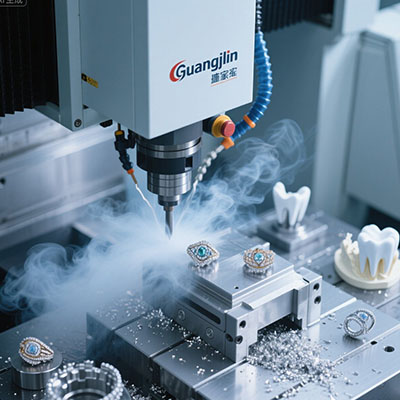
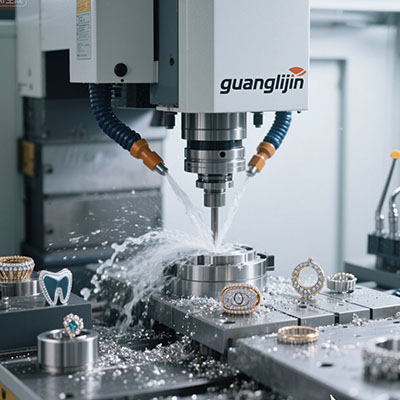
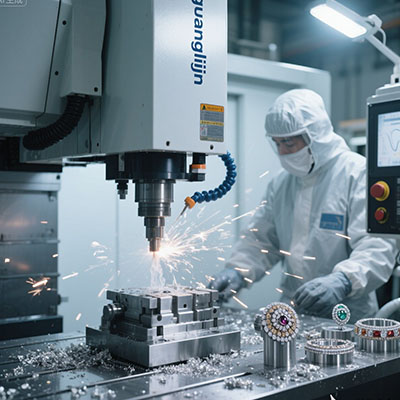
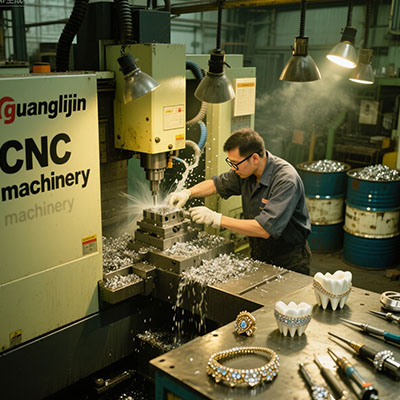
The CNC (Computer Numerical Control) machinery then takes over. It mills or 3D prints a wax model based on the CAD file with incredible accuracy. This step is crucial for detail.
This wax model is then used in the jewellery casting machine. The machine creates a plaster mold around the wax. The wax is burned out, leaving a perfect cavity. Molten metal is injected into this cavity, creating the raw piece.
Interestingly, the entire process, from wax to metal, is often managed by one integrated system. This seamless flow is the heart of modern jewelry manufacturing automation.
Key Components of an Automated Casting System
A typical system has three main parts. The CNC milling or printing unit for wax patterns. The investment casting machine itself. Finally, a central computer that controls all parameters.
Parameters like temperature, vacuum pressure, and injection speed are vital. Getting these wrong can ruin a batch. Automated systems monitor these constantly, which is a huge advantage.
Step-by-Step: The Automated Casting Process
Let’s break down the operation into clear, actionable steps. This guide explains how a design goes from screen to finished metal.
Step 1: 3D Design & Preparation. Everything starts with a digital 3D model. The design is finalized and prepared for the wax pattern stage. Software checks for errors.
Step 2: Wax Pattern Production. The CNC machine carves or prints the design in special casting wax. This creates a physical, detailed prototype of the jewelry.
Step 3: Mold Making (Investing). The wax pattern is attached to a “tree” with other models. It’s placed in a flask and surrounded by liquid plaster-like investment material. This hardens into a block.
Step 4: Dewaxing & Casting. The flask is heated, melting out the wax. What remains is a hollow mold. The precious metal casting machine then injects molten gold or silver into this cavity under vacuum or pressure.
Step 5: Cooling, Divesting, & Finishing. The metal cools and solidifies. The plaster mold is broken away. The raw jewelry tree is cut, and pieces are polished and finished by hand or with CNC jewelry polishing tools.
Comparative Analysis: Traditional vs. Automated Casting
Is automation always better? Not necessarily. It depends on your project’s needs. Here’s a quick comparison.
| Factor | Project A: Traditional Manual Casting | Project B: CNC-Automated Casting |
|---|---|---|
| Best For | Unique, one-off art pieces. Very small batches. | Production runs, consistent series, complex geometries. |
| Detail & Consistency | High (if done by master artisan), but variable. | Exceptionally high and perfectly repeatable. |
| Setup Time & Cost | Lower initial setup. Faster for a single item. | Higher initial programming/CAD time. Faster for batches. |
| Material Efficiency | Higher risk of waste per piece. | Optimized material use. A 2022 study in Advanced Manufacturing Processes showed 15-22% less gold waste. |
| Skill Requirement | Requires years of artisan skill. | Requires CAD/CAM and machine operation skills. |
⚠ Attention: Common Pitfalls to Avoid
Rushing the Wax Pattern: Any flaw in the wax model is replicated in metal. Always inspect CNC-milled waxes for tool marks or incomplete details.
Ignoring Investment Mix: Using the wrong water-to-powder ratio for the mold material causes cracks and surface defects. Follow the manufacturer’s data sheet precisely.
Overlooking Temperature Curves: The burnout cycle (heating the mold) must be perfectly tuned to the wax type. Too fast, and the mold cracks. This is a frequent, costly error.
Practical Checklist for Your First Automated Cast
Before you start a production run, use this checklist. It helps ensure success and avoids expensive mistakes.
CAD File Check: Is the 3D model “watertight” (manifold) and at the correct scale (1:1 for casting)?
Wax Pattern Integrity: Have you physically inspected the wax for defects like bubbles or broken details?
Investment Setting: Has the investment mold cured fully for the recommended time before burnout?
Machine Calibration: Is the jewellery casting machine calibrated? Are the crucible and injection system clean from previous runs?
Metal Preparation: Is the metal alloy correct, clean, and of sufficient weight (including sprue and expected shrinkage)?
Safety Gear: Are heat-resistant gloves, face shields, and aprons available for the casting and divesting stages?
Frequently Asked Questions (FAQs)
What is the best jewellery casting machine for a small business?
For a small workshop, look for a compact, automated vacuum casting machine. Key features include a user-friendly interface, reliable after-sales support, and the ability to handle the specific metal volumes you use most.
How does lost wax casting with CNC automation improve ring design accuracy?
CNC milling of wax allows for incredibly precise patterns with sharp details and consistent wall thickness. This directly translates to more accurate metal casts, reducing the need for extensive manual correction and finishing of each ring.
What are the maintenance tips for a jewelry casting machine with CNC components?
Regularly clean wax residues from the CNC spindle and work area. Calibrate the machine’s axes as recommended. For the casting chamber, check seals and valves for wear. Always follow the manufacturer’s lubrication and service schedule to prevent downtime.