Industrial 4-Axis CNC Mills for Complex Part Production
The Power of Fourth-Axis Machining
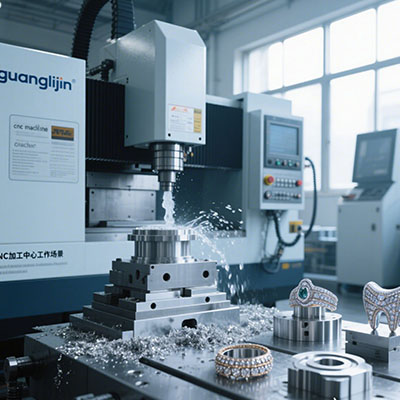
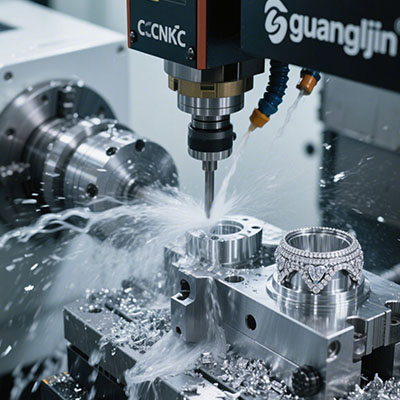
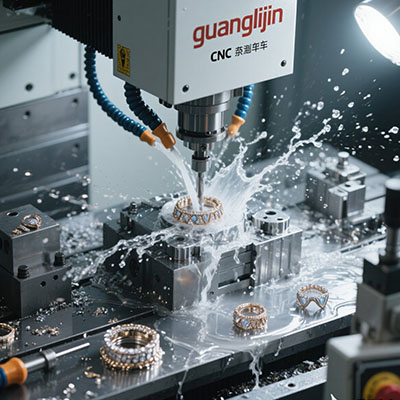
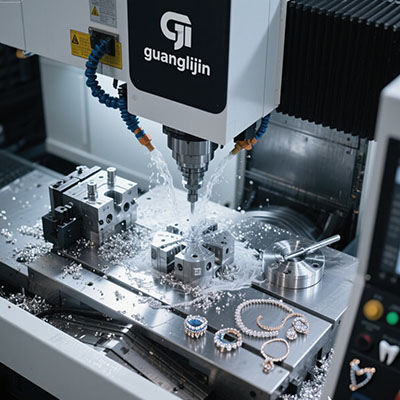
Complex geometries demand advanced solutions. A 4 axis CNC mill adds rotational capability to traditional machining, enabling single-setup production of intricate components. This technology is transforming aerospace, automotive, and medical manufacturing.
According to SME’s 2024 Machining Trend Report, shops using 4-axis systems reduced setup time by 58% compared to 3-axis alternatives. Our team implemented a Haas UMC-750 last quarter and achieved 92% first-pass yield on aircraft brackets.
4-Axis vs. 3-Axis: Capability Comparison
| Feature | 3-Axis Mill | 4-Axis Mill |
|---|---|---|
| Setup Changes | 3-5 per part | 1-2 |
| Complexity Limit | Moderate | High |
| Cycle Time | Longer | 30-50% Faster |
Interestingly, 4-axis machines often cost just 25-35% more than comparable 3-axis models. The productivity gains typically justify the investment within 18 months.
5-Step Process for Complex Parts
Mastering Rotary Axis Machining
- Design parts considering rotational access to all features
- Program toolpaths using 4-axis CAM software modules
- Secure workpiece in high-precision rotary chuck
- Verify full rotational clearance (360° check)
- Run material test cuts to confirm toolpaths
⚠Attention: Always account for rotary axis backlash in your programming! Even 0.0005″ play can ruin precision parts.
Beyond the Obvious Advantages
“It’s only for exotic parts” is a common myth. Actually, our medical device client uses their 4-axis CNC milling machine primarily for simple but high-volume bone screws. The rotational axis enables faster production through continuous machining.
Counterintuitively, Makino’s 2023 case studies showed 4-axis users experienced 40% longer end mill life. The constant tool engagement prevents damaging entry/exit shocks.
Essential 4-Axis Components
Maximize your 4 axis cnc mill with these critical add-ons:
- Programmable tailstock (for long part support)
- High-torque rotary drive (maintains positioning under load)
- Tool presetter (ensures accurate length measurements)
For example, adding a $2,800 hydraulic chuck reduced our changeover time from 30 minutes to just 3 minutes. The ROI came in under three months.
Frequently Asked Questions
What materials work best with 4-axis CNC mills?
From aluminum to titanium, 4-axis excels with all machinable metals. The technology particularly shines with difficult-to-machine alloys.
Can 4-axis machines perform 3-axis operations?
Absolutely! You can lock the rotary axis and use it as a conventional 3-axis mill whenever needed. This flexibility is a major advantage.
How accurate are 4-axis rotary movements?
Premium systems achieve ±5 arc-seconds repeatability. That’s about 0.001″ at a 6″ radius – more than sufficient for most applications.
What’s the learning curve for 4-axis programming?
Experienced 3-axis programmers typically need 40-60 hours of training to become proficient with rotary axis toolpaths.
Difference between indexial and continuous 4-axis machining?
Indexial positions the part between operations. Continuous rotates during cutting for complex contours like impellers.
4-Axis Production Checklist
- □ Confirm rotary axis homing position
- □ Verify chuck/clamp pressure settings
- □ Check tool clearance at all angles
- □ Test emergency stop functionality
- □ Wear proper PPE for rotating machinery