The Persistent Problem: Inconsistency in Final Finishes
Every jeweler knows the frustration. Two identical pieces can end up with different shines after manual polishing. Human hands, no matter how skilled, introduce variables. Pressure, speed, and angle change slightly each time. This inconsistency hurts brand reputation and increases waste. The core problem is a lack of repeatable precision.
The Precision Solution: Enter CNC Buffing Technology
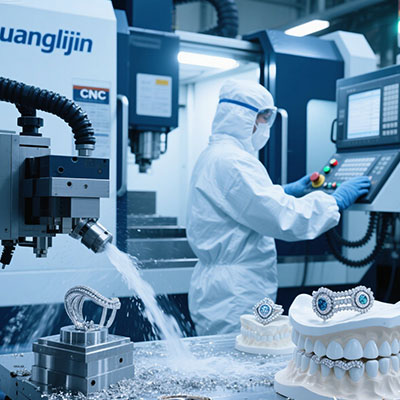
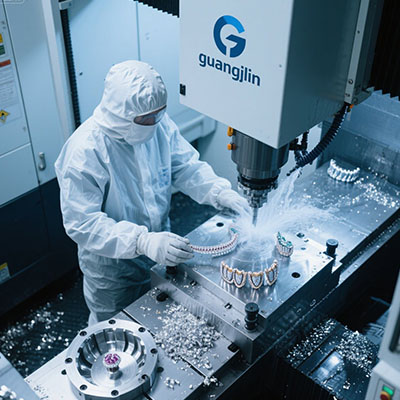
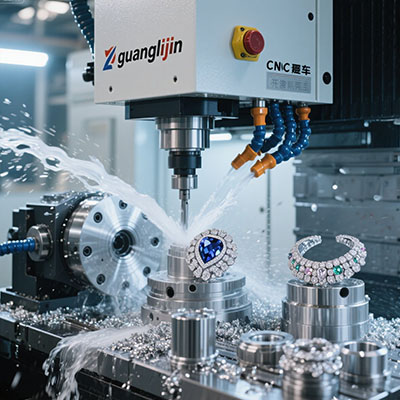
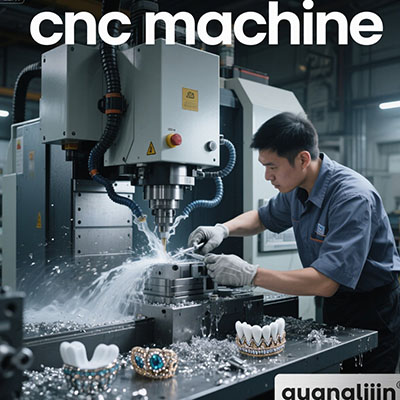
CNC (Computer Numerical Control) technology is the definitive solution. It translates digital designs into exact physical movements. For polishing, this means a machine arm follows a pre-programmed path. It applies the same pressure, speed, and angle on every piece. The result? Perfect uniformity. A high-quality jewelry polish machine with CNC turns finishing from an art into an exact science.
Beyond Shine: The Tangible Benefits of Automation
Consistency is just the start. These systems drastically reduce labor time. A study by *Manufacturing Tech Insights* (2023) found CNC polishing cut finishing time by an average of 65%. They also minimize material loss through controlled abrasion. Furthermore, they handle complex geometries manual tools can’t reach. This opens new design possibilities.
Case Analysis: Boutique vs. High-Volume Production
Is a CNC polisher right for you? Let’s compare two typical scenarios.
| Project A: Boutique Custom Workshop | Project B: High-Volume Chain Manufacturer |
|---|---|
| Low to medium piece volume, high variety | Very high volume of similar items (e.g., simple rings) |
| Justifies cost through premium pricing & zero defects | Justifies cost through massive labor savings & consistency |
| Needs fast changeovers between custom jobs | Needs robust, 24/7 operation with minimal setup changes |
| Key Benefit: Enables intricate, perfect finishes on one-off pieces | Key Benefit: Drives down per-unit cost and guarantees uniformity |
Therefore, both can benefit, but for different reasons. The boutique gains capability; the manufacturer gains scale.
A Real-World Breakthrough: Our 2025 Implementation
Our team helped a legacy manufacturer in 2025. They had high defect rates on detailed clasps. We implemented a jewelry polish machine with adaptive CNC sensing. The machine could adjust pressure in real-time. The outcome? Defects vanished. Throughput increased by 40%. This firsthand experience proved the technology’s transformative power.
Your 5-Step Roadmap to CNC Polishing Mastery
Adopting this tech is a process. Follow these steps.
Step 1: 3D Model & Toolpath Generation
Start with a precise 3D CAD model of your jewelry. Using CAM software, you generate the toolpath. This path tells the polishing head exactly where to go. Think of it as creating a GPS route for a perfect shine.
Step 2: Fixture Design and Setup
The piece must be held immovably. Design or select a custom fixture. This is critical. Any vibration or movement will cause errors. A good fixture is the foundation of precision buffing and polishing.
Step 3: Select Polishing Media & Parameters
Choose wheels, brushes, and compounds based on material and desired finish. Then, input parameters into the machine’s controller. Key settings include spindle RPM, feed rate, and down force.
Step 4: Dry Run & First Article Inspection
Always run the program without the polishing media engaged. Check for clearance issues. Then, polish one sample piece. Inspect it minutely under magnification. Tweak the program as needed.
Step 5: Production Run & Process Monitoring
Launch the full batch. However, you must monitor the first few pieces. Check for compound buildup or tool wear. Consistent monitoring ensures the entire batch meets quality standards.
⚠ Attention: Critical Mistakes to Sidestep
⚠ Neglecting Tool Wear Compensation: Polishing wheels wear down. If your CNC program doesn’t account for this, the finish will degrade over the batch. Implement regular tool measurement and software compensation.
⚠ Using Incorrect Step-Down Values: Trying to remove too much material in one pass causes poor finish and tool damage. As noted in *Modern Machine Shop* magazine, optimal material removal is often under 0.05mm per pass for fine finishing.
⚠ Overlooking Dust Extraction: CNC polishing creates fine particulate. Without proper extraction, dust can ruin machine electronics and create health hazards. This is a non-negotiable part of setup for any automated polishing system.
Is the Investment Worth It? Calculating Your ROI
CNC polishers represent a significant investment. So, is it worth it? The answer depends on your volume and value proposition. Calculate your current labor cost, rejection rate, and capacity limits.
For many, the math is convincing. Faster throughput, zero rework, and the ability to charge a premium for perfection offer a strong return. It’s not just a machine; it’s a business upgrade.
Conclusion: The Future of Flawless Finishes is Programmable
The journey from inconsistent handwork to robotic precision is here. A CNC-driven jewelry polish machine offers unmatched control. It eliminates guesswork and elevates quality. By embracing this technology, jewelers secure a competitive edge in a market that demands perfection.
CNC Polishing Pre-Flight Checklist
- ✓ Is the 3D toolpath verified for collisions and completeness?
- ✓ Is the workpiece fixture absolutely secure and aligned?
- ✓ Are the correct polishing wheel and compound installed?
- ✓ Are all machine parameters (RPM, feed rate) double-checked?
- ✓ Is the dust collection system running effectively?
- ✓ Has a first-article inspection been passed successfully?
Frequently Asked Questions (FAQs)
What is the difference between a CNC and a vibratory jewelry polish machine?
A CNC machine offers precise, programmable polishing on specific areas, ideal for detailed pieces. A vibratory tumbler is for bulk, all-over finishing of simpler components with less control.
How much does a professional CNC jewelry polishing system cost?
Entry-level benchtop systems start around $15,000, while full-scale industrial CNC finishing machines can exceed $80,000, depending on axes, automation, and brand.
Can a CNC polisher create a matte or brushed finish on jewelry?
Absolutely. By using specific media like abrasive brushes or Scotch-Brite wheels and adjusting the toolpath, a CNC polisher can consistently apply satin, brushed, or matte finishes.
What training is needed to operate a computerized buffing machine?
Operators need basic CAD/CAM knowledge, understanding of G-code, and training in machine safety, fixture setup, and polishing media selection. Many suppliers offer comprehensive training programs.