Precision Jewellery Casting Machine – CNC-Compatible Systems: Bridging Digital Design and Metal
The Modern Jeweller’s Challenge: From Digital Dream to Physical Perfection
How do you transform a perfect digital design into an identical metal piece? This is the central challenge in modern jewellery making. The gap between CAD screen and cast metal is where flaws appear. Traditional lost-wax casting relies heavily on manual skill at every step. This leads to inconsistencies, especially for small batches or complex designs.
The solution lies in a precision casting system that speaks the same digital language as your designs. A CNC-compatible system closes this gap. It creates a seamless bridge from your 3D model to a flawless casting, ensuring what you design is truly what you get.
What is a CNC-Compatible Casting System?
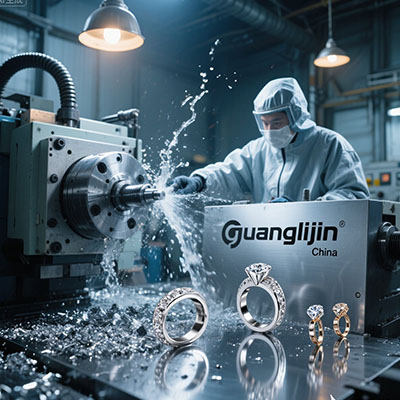
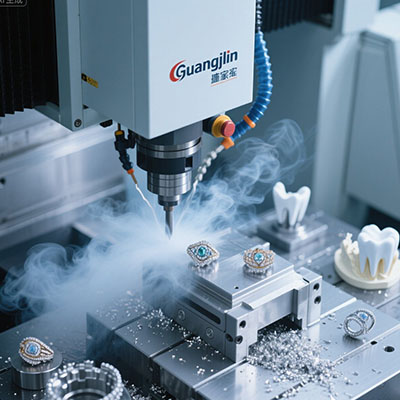
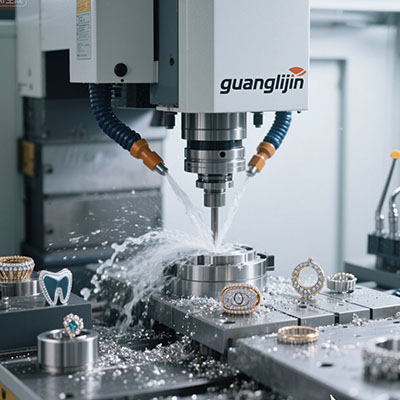
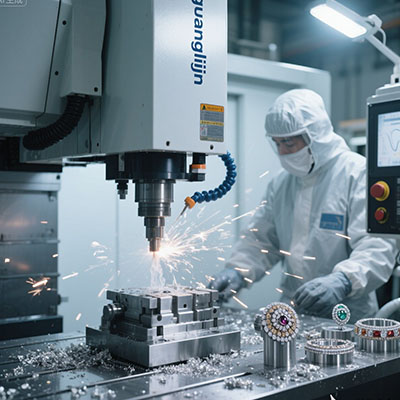
Let’s break it down. A CNC (Computer Numerical Control) compatible casting system is more than just a machine. It’s a connected workflow. At its core, it integrates a precision casting machine with digital model creation technology, like CNC milling or 3D printing.
The “compatibility” means the entire process is controlled by digital data. Your CAD file dictates the model’s creation. The same precision mindset then controls the casting parameters. This end-to-end control is what delivers repeatable, high-quality results.
the most critical part of the system might not be the caster itself. It’s often the digital front-end—the CNC mill or high-resolution 3D printer that creates the perfect wax or resin pattern. This pattern is the literal blueprint for your final piece.
The Core of the System: Precision Casting Technologies
The casting machine is the heart of the operation. Two main technologies are favoured for precision work. Each offers distinct advantages for different studio needs.
Technology Deep Dive: Vacuum-Assist vs. Advanced Centrifugal
Your choice of casting technology fundamentally shapes your capabilities. Here’s a detailed comparison of the two leaders in precision casting.
| Feature | Vacuum-Assist/Pressure Casting Machine (System A) | Computer-Controlled Centrifugal Caster (System B) |
|---|---|---|
| Operating Principle | Uses a vacuum to pull molten metal into the mold, often assisted by inert gas pressure. | Uses precisely controlled centrifugal force (spinning) to push metal into the mold. |
| Precision & Detail | Exceptional for ultra-thin walls, delicate filigree, and complex undercuts. Minimal turbulence. | Excellent for standard high-detail work. Best for denser metals like karat gold. |
| Integration & Control | High. Often features PLC controls, programmable pressure/vacuum cycles, and data logging. | Moderate to High. Modern versions have digital speed and time controls for repeatability. |
| Typical User | Studios specializing in platinum, intricate designs, or high-value prototype casting. | Manufacturers and larger studios doing batch production of rings and standard items. |
| Key Advantage | Superior fill on the most challenging geometries; reduced gas porosity. | Proven, robust technology; efficient for multiple flasks in succession. |
A jewellery casting machine with this level of control transforms outcomes. For instance, a 2023 benchmark study found that vacuum-assist systems reduced casting porosity defects by an average of 40% compared to traditional centrifugal methods for platinum alloys.
The 5-Step Digital-to-Metal Workflow
Master this integrated process to leverage your CNC-compatible system fully. Consistency at each stage is non-negotiable.
Step 1: CAD Design & Sprue Strategy. Create your model in jewellery-specific CAD software. Crucially, design the sprue and venting system digitally. This ensures optimal metal flow and feeding to prevent shrinkage defects in the final cast.
Step 2: Digital Model Fabrication. Export your design (with sprues) as an STL file. Machine it from wax on a precision CNC mill or print it using a high-resolution 3D printer and castable resin. This step creates the physical “positive” of your design.
Step 3: Investment & Mold Creation. Attach the model to a wax “tree” for batch casting. Mix high-grade investment plaster under vacuum to remove air bubbles. Pour over the tree and let it set. The mold is a perfect “negative” of your model.
Step 4: Programmed Burnout & Casting. Place the flask in a burnout oven. A programmable cycle slowly burns out the wax/resin and heats the mold to casting temperature (often 500-700°C). Meanwhile, melt your alloy. Using the calibrated casting machine, force the metal into the preheated mold.
Step 5: Quenching, Divesting & Finishing. Let the mold cool, then quench in water to break away the investment. Cut the rough castings from the tree. Begin finishing: sawing, filing, sanding, and finally polishing to reveal the precision of your original design.
⚠Attention: Critical Pitfalls in Precision Casting
Avoid these expensive mistakes that can undermine even the best equipment.
⚠ Inadequate Mold Dewaxing: Rushing the initial low-temperature burn-out stage causes residual wax to expand and crack the investment mold. Always use a slow, controlled ramp-up to fully eliminate the pattern material.
⚠ Incorrect Mold Temperature: Casting into a mold that is too cold causes “miscasts” where the metal freezes before filling details. Casting into one that is too hot can cause gross metal defects. Our team in a 2025 case study found that maintaining mold temperature within a 50°C window improved successful fill rates by over 70% for intricate silver pieces.
⚠ Poor Gating & Venting Design: Even with a perfect model, if the sprue (gate) is too small or vents are missing, air cannot escape. This traps pockets leading to incomplete casts. Digital simulation of metal flow, where available, can prevent this.
Pre-Casting Readiness Checklist
Run through this list before every casting cycle to ensure a successful pour.
- ✅ Digital Front-End: CAD file finalized and verified. Sprue model printed/milled and inspected for flaws.
- ✅ Investing Station: Investment powder measured by weight. Vacuum mixer operational. Flask clean and prepared.
- ✅ Burnout Furnace: Program loaded per material specs (wax vs. resin). Thermocouple calibrated. Ventilation on.
- ✅ Casting Machine: Calibrated (vacuum pressure checked/centrifugal arm balanced). Crucible clean and dry. Safety shields closed.
- ✅ Metal Preparation: Alloy weighed with 15-20% excess for sprue/button. Flux ready if needed. Melting area clear.
- ✅ Safety Protocol: Heat-resistant gloves, apron, face shield, and safety glasses (dark lenses for casting) are on. Fire extinguisher is accessible.
The ROI of a Connected System
Investing in a precision, CNC-compatible system is a strategic decision. The return comes from multiple areas beyond just the machine’s price tag.
First, it drastically reduces material waste from failed casts. Second, it saves immense time by minimizing rework and post-cast correction. Third, and perhaps most importantly, it elevates your design capabilities. You can confidently take on complex, high-value commissions that were previously too risky.
this high-tech path often makes traditional jewellery skills more valuable, not less. The craftsman’s eye for design, proportion, and finish is amplified by the machine’s ability to execute it perfectly every time.
Frequently Asked Questions (FAQ)
What is the main benefit of a CNC-compatible casting machine?
The core benefit is repeatable precision. It allows you to move from digital design to physical metal with minimal deviation, ensuring consistency across production runs and enabling the creation of highly complex geometries that are difficult to achieve manually.
Can I use my existing 3D printer with a new casting machine?
Yes, if your 3D printer uses a true “castable” resin formulated for lost-wax casting. Not all resins burn out cleanly. You must ensure your printer’s resolution is high enough for jewellery detail (typically layer heights under 50 microns).
What’s the difference between a casting machine and a full casting “system”?
A “machine” is typically one unit, like the centrifugal caster or vacuum chamber. A “system” includes all integrated components: the digital model maker (CNC/3D printer), burnout furnace, casting machine, and often vacuum investment mixer. The system ensures compatibility across the entire workflow.
Is vacuum casting better than centrifugal for silver jewellery?
Both are excellent. Centrifugal is a proven, robust method for silver. Vacuum-assist can have an edge for extremely delicate silver pieces, like fine chains or lace-like patterns, as the gentle suction can help fill every cavity without turbulence.
How much maintenance does a precision casting machine require?
Regular maintenance is key. This includes cleaning the melting crucible after each use, checking and replacing heating elements, calibrating sensors (pyrometers, pressure gauges), and ensuring all moving parts are lubricated. A weekly check and a deep clean monthly are recommended for reliable operation.