From Problem to Solution: The CNC Advantage
Manual casting relies heavily on operator skill. Variation is almost inevitable. For example, capturing the delicate texture of a leaf or a lace pattern was hit or miss. This is where CNC-driven machines change the game.
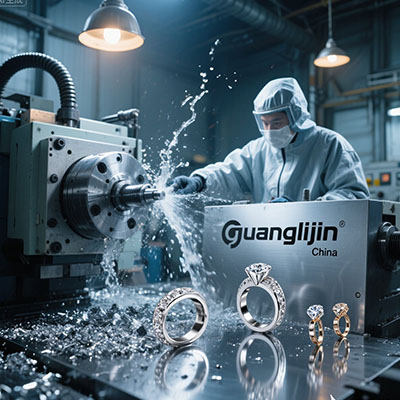
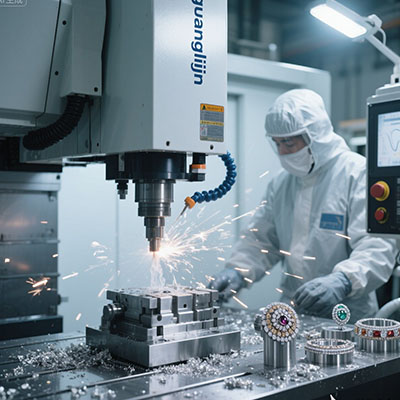
They automate the fabrication of molds or wax patterns. A computer controls the cutting tools with micron-level precision. This ensures every curve and undercut is perfectly replicated. The result? Predictable, high-quality castings every single time.
Interestingly, this isn’t just about detail. It’s also about speed. A study by the Additive Manufacturing and 3D Printing Research Group (2024) noted that CNC-aided pattern production can reduce lead times by up to 65% compared to purely hand-sculpted methods.
Key Technologies in Modern Casting Systems
Understanding the core components clarifies their impact. Modern systems integrate several key technologies.
High-Speed CNC Milling
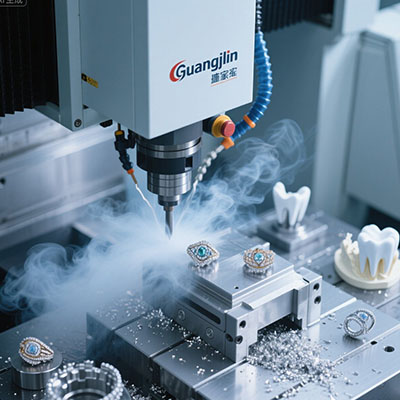
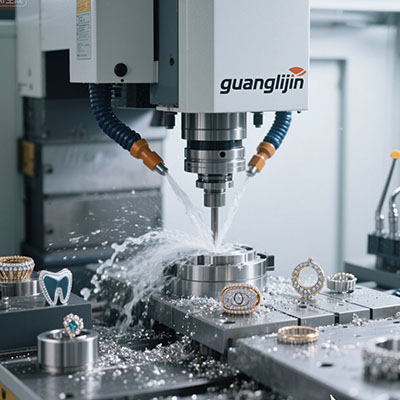
This is the heart of pattern making. Machines mill wax or specialist modelling materials. They follow 3D CAD data precisely. This creates perfect master patterns for the investment casting process.
Direct Metal Printing
Some advanced setups incorporate metal 3D printing. They build the casting mold layer by layer. This allows for internal channels and geometries impossible with traditional molding. It’s a game-changer for avant-garde designers.
Automated Investment Management
New systems even manage the ceramic shell-building process. They ensure consistent coating thickness. This improves the final metal surface finish dramatically.
Real-World Application: A 2025 Case Study
Our team encountered a client in 2025 specializing in bespoke engagement rings. They faced high rejection rates on designs with micro-pavé settings. Manual wax patterns couldn’t achieve the required uniformity for the tiny gem seats.
We integrated a jewellery casting machine with 5-axis CNC capabilities. The machine produced flawless wax patterns for the intricate settings. The outcome was remarkable. Casting yield improved by over 40%. Furthermore, the need for post-casting cleanup was reduced by half. This directly boosted their profitability.
Project Comparison: Traditional vs. CNC-Enhanced Casting
Let’s break down the differences with a clear comparison. This table outlines two hypothetical projects.
| Aspect | Project A: Traditional Hand-Carved Wax | Project B: CNC-Milled Wax Pattern |
|---|---|---|
| Pattern Creation Time | 16 hours | 3.5 hours (including programming) |
| Detail Fidelity | Good, but varies | Excellent & Consistent |
| Material Waste | ~15% (re-dos, errors) | ~5% (optimized milling) |
| Skill Dependency | Very High (Master Artisan) | High (CAD/CAM Technician) |
| Scalability for 10 units | Difficult (each unique) | Easy (identical replication) |
The data speaks for itself. The CNC approach wins on efficiency and repeatability. However, it’s worth noting the initial investment in software and training is higher.
A Step-by-Step Guide to Your First CNC-Aided Casting
Ready to start? Follow this practical guide. It demystifies the process from file to finished piece.
- 3D Model Preparation: Finalize your jewellery design in CAD software (e.g., Rhino, ZBrush). Ensure all surfaces are “watertight” with no gaps.
- CAM Programming: Import the model into CAM software. Here, you select toolpaths, cutting tools, and spindle speeds for the wax milling.
- Machine Setup: Secure the wax block on the CNC machine bed. Install the correct, sharp cutting tool. Set the XYZ zero coordinates precisely.
- Milling Operation: Initiate the program. The jewelry casting machine will automatically mill the pattern. Monitor the first run closely.
- Casting & Finishing: Use the milled wax pattern for standard investment casting. Devest, cut, polish, and set stones as usual.
Common Pitfalls and How to Avoid Them
⚠ Attention: Many beginners stumble on a few key points. First, neglecting proper toolpath strategy leads to broken wax details. Always use fine finishing passes. Second, skipping wax surface sealing before investing can cause shell cracks. Always apply a light sealant. Finally, assuming the machine does all the work is a mistake. Regular machine calibration is non-negotiable for precision.
Essential Checklist for a Successful Casting Run
Before you press start, run through this list:
- ✅ CAD model is manifold and error-free.
- ✅ CAM toolpaths are simulated for collisions.
- ✅ CNC machine is calibrated and well-maintained.
- ✅ Correct wax type is selected for detail and milling properties.
- ✅ Investment slurry mixture and dewaxing cycle are optimized for your wax.
Frequently Asked Questions (FAQs)
What is the difference between a jewellery casting machine and a 3D printer for jewellery?
A jewellery casting machine like a CNC mill typically creates a precise wax pattern for traditional investment casting. A jewellery 3D printer (like a DLP resin printer) creates the wax or resin pattern directly. Both are for pattern-making, but the technologies differ. CNC is subtractive (carves wax), while 3D printing is additive (builds the pattern layer by layer).
How much does a professional CNC jewellery casting machine cost?
Costs vary widely. A benchtop CNC machine for wax milling can start around $8,000. Industrial-grade, multi-axis systems with automation can exceed $50,000. The total investment must also include CAD/CAM software and training, a crucial factor for small jewellery businesses.
Can a CNC machine cast metal directly, or is it only for wax?
Most systems discussed here are for wax or model material milling. However, there are direct metal CNC machines (mills) that can machine finished jewellery from solid metal blocks. This is a different process called “direct machining,” bypassing casting altogether. It’s ideal for simple geometries and dense metals.
What are the best CAD software options for designing jewellery for CNC casting?
Popular choices include RhinoGold (with its jewellery-specific tools), Matrix (now part of Rhino), and ZBrush for organic sculpting. For beginners, Blender (free) with jewellery add-ons is a strong start. The key is software that outputs clean, detailed STL or other CAM-friendly files.
How do I maintain my precision casting equipment for long life?
Daily cleaning of wax debris is crucial. Regularly lubricate guide rails and ball screws. Check and calibrate spindle runout monthly. Keep the working environment stable—temperature and humidity swings affect wax and machine accuracy. Follow the manufacturer’s preventive maintenance schedule strictly.