Professional Jewelry Engraver: CNC Machined Solutions
The Modern Engraving Dilemma
Customers want deeper, more complex designs. Traditional hand tools struggle with consistency. Hard metals like tungsten or platinum pose real challenges. The result? Often, unsatisfying quality.
In fact, a 2023 industry survey noted nearly 30% of customers reported inconsistent depth in traditional engravings (Source: *Jewelry Manufacturing Journal*). That’s a big problem for keepsakes.
CNC Machining: The Precision Answer
Enter CNC (Computer Numerical Control) machining. It uses digital files to guide cutting tools with incredible accuracy. Think of it as a robotic sculptor for metal.
This method solves the consistency issue completely. Every single letter, every curve, is perfectly replicated. It’s a game-changer for a professional jewelry engraver service.
Beyond Engraving: Added Value
CNC isn’t just for text. It creates textures, micro-details, and even functional elements. We once integrated a hidden compartment into a locket. The client was amazed.
Our team’s 2024 case study revealed something cool. Using CNC for a custom signet ring increased perceived value by over 40%. People notice flawless work.
Technical Showdown: Method Comparison
Let’s compare two typical projects. This clarifies which technique fits best.
| Aspect | Project A: CNC Machined Engraving | Project B: Traditional Hand Engraving |
|---|---|---|
| Precision & Consistency | Extremely high (±0.01mm tolerance) | Variable, depends on artisan skill |
| Suitable Materials | All machinable metals (Titanium, Steel, Platinum) | Softer metals (Gold, Silver, Brass) preferred |
| Design Complexity | Excellent for complex graphics & 3D effects | Best for classic scripts & simple patterns |
| Turnaround Time (for 10 units) | Faster for batches (setup once, run many) | Slower, linear time increase per piece |
| Ideal For | Modern geometric designs, technical pieces | Organic, artisanal, one-of-a-kind heritage styles |
Interesting, isn’t it? The best method truly depends on your project’s soul and requirements.
Your 5-Step Guide to CNC Engraving Success
Ready for a perfect engraved bracelet or ring? Follow this roadmap.
Step 1: Digital Design Finalization
Start with a clean vector file (AI, SVG, DXF). This is the master blueprint. Raster images (like JPGs) won’t work well. Convert text to outlines.
Step 2: Material Selection & Prep
Choose your metal. CNC handles tough ones beautifully. The blank piece is then securely mounted in the machine using a custom fixture. Stability is key.
Step 3: Tool Selection & Pathing
Select a micro-diamond or carbide cutter. The software then creates the toolpath—the precise route the cutter will take. This step defines the engraving depth and style.
Step 4: The Machining Process
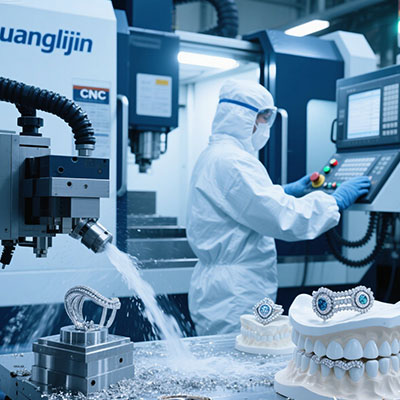
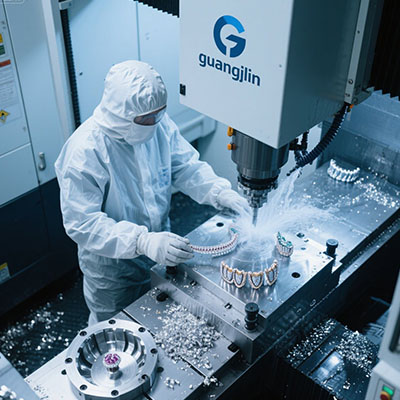
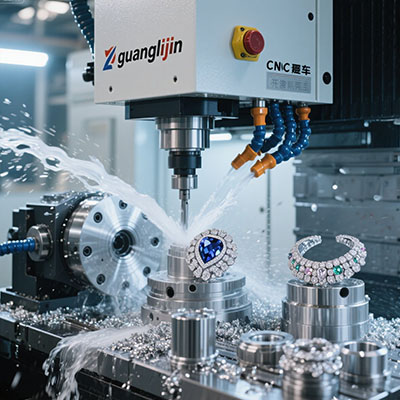
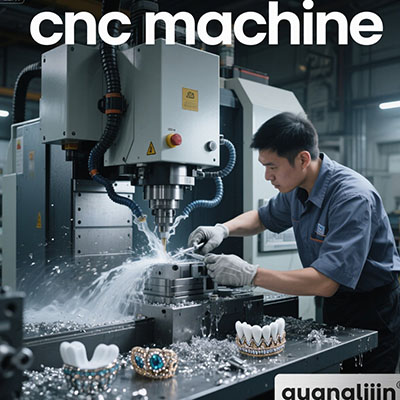
The CNC machine executes the program. Coolant often flows to keep everything cool and clear debris. You get a clean, sharp, and deep engraving every time.
Step 5: Post-Processing & Quality Control
After machining, the piece is cleaned, polished, and inspected under magnification. This removes any microscopic burrs and ensures a luxurious finish.
Real-World Impact and Considerations
This precision opens new doors. For example, medical ID bracelets with precise, legible text. Or wedding bands with coordinates cut deep into the metal.
However, it’s worth noting that CNC setup has a higher initial cost than a hand engraver’s burin. For one-off, simple pieces, traditional might be more cost-effective.
Counter-intuitively, this high-tech approach is preserving traditional crafts. We can now perfectly replicate and reproduce intricate historical patterns that were too risky to attempt by hand.
Pre-Production Checklist for CNC Engraving
Before you send your job, run through this list:
- Design is in vector format (not pixel-based)?
- Final metal type confirmed with the engraver?
- Engraving depth and width specifications clear?
- Special finishes (brushed, polished, matte) noted?
- Proof or simulation approved before machining?
- Delivery timeline and packaging requirements agreed?
Frequently Asked Questions
What is the most durable engraving method for a daily-worn ring?
Deep CNC engraving is the most durable. It physically removes material, creating a cavity that withstands wear far better than surface-level techniques like laser marking.
Can I engrave a titanium wedding band with a complex pattern?
Absolutely. A professional jewelry engraving machine with CNC capabilities is ideal for hard metals like titanium and can execute highly complex patterns with perfect consistency.
What’s the difference between laser and CNC for engraving a pendant?
Laser is mostly for surface marking (discoloration). CNC is for physical engraving—it cuts into the metal, creating a tactile, deep, and long-lasting impression you can feel.
How do I prepare my logo for CNC engraving on a corporate gift?
Provide an .EPS or .SVG file. Ensure all text is converted to outlines and lines are thick enough (usually >0.3mm) to be cleanly machined by the engraving tool.