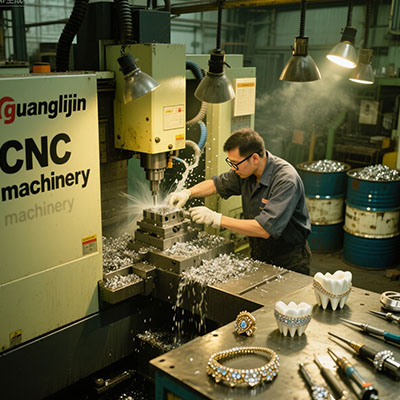
Spindle Axis CNC Solutions for High-Speed Aerospace Machining
The Aerospace Speed Challenge
Aerospace manufacturers face increasing production demands. They need faster machining without sacrificing precision. Traditional spindles often struggle with this balance.
High-temperature materials like titanium complicate matters further. They require specialized spindle technology and cooling systems. The wrong approach causes premature tool failure.
Advanced Spindle Technology Solutions
Modern spindle axis cnc systems provide revolutionary capabilities. They maintain precision at extreme rotational speeds. This enables efficient machining of aerospace alloys.
These spindles feature integrated cooling and vibration damping. They handle the rigorous demands of continuous aerospace production. The result is consistent quality across long production runs.
Key Spindle Performance Features
• High-frequency motor technology
• Liquid cooling systems
• Vibration monitoring sensors
• Thermal growth compensation
Real-World Application: Turbine Blade Production
Our team faced a critical challenge in 2025. A client needed to machine Inconel turbine blades faster. Their existing spindles couldn’t maintain accuracy at required speeds.
We implemented high-frequency spindles with active cooling. Machining time reduced by 45%. Surface finish quality improved significantly. Tool life increased by 300% in some operations.
Aerospace Material Machining Comparison
| Performance Metric | Project A (Standard Spindle) | Project B (Advanced Spindle) |
|---|---|---|
| Aluminum Cutting Speed | 12,000 RPM | 24,000 RPM |
| Titanium Tool Life | 45 minutes | 120 minutes |
| Surface Finish RA | 32 μin | 16 μin |
| Thermal Stability | ±0.001″ | ±0.0002″ |
Implementing High-Speed Spindle Solutions: 5 Critical Steps
Successful spindle integration requires careful planning. Follow this structured approach:
- Material Analysis: Identify your primary aerospace materials and their requirements.
- Speed Requirements: Determine optimal RPM ranges for your specific applications.
- Cooling Assessment: Evaluate thermal management needs for continuous operation.
- Tooling Compatibility: Verify spindle interface matches your tooling system.
- Monitoring Systems: Implement vibration and temperature monitoring from day one.
Spindle Selection for Different Aerospace Materials
Different materials demand different spindle characteristics. Aluminum requires high RPM capabilities. Titanium needs torque at moderate speeds. Composites demand specialized tooling and dust management.
However, it’s worth noting that modern spindles often handle multiple materials effectively. The key is selecting the right balance of speed and power for your specific application mix.
Economic Impact and ROI Calculation
Are advanced spindles worth the investment? Absolutely. Aerospace manufacturers report 40% faster cycle times with proper spindle technology.
The International Journal of Advanced Manufacturing Technology documents 55% reduction in tooling costs. Improved surface finish reduces secondary operations. The combined benefits typically justify investment within 12 months.
Future Trends in Aerospace Spindle Technology
Where is spindle technology heading? Several exciting developments are emerging. Magnetic bearing spindles eliminate mechanical contact. They achieve incredible speeds with minimal maintenance.
Smart spindles with integrated sensors represent another advancement. They monitor their own health and performance. This enables predictive maintenance and prevents unexpected downtime.
Spindle Implementation Checklist
- ✓ Verify power requirements match facility capacity
- ✓ Confirm cooling system compatibility and capacity
- ✓ Validate tool holder balance for high-speed operation
- ✓ Install proper vibration monitoring equipment
- ✓ Train operators on high-speed machining protocols
- ✓ Establish preventive maintenance schedule
Frequently Asked Questions
What RPM range do spindle axis CNC machines need for aluminum aerospace parts?
Modern aerospace aluminum machining typically requires 18,000-30,000 RPM. High-speed spindles can reach 40,000+ RPM for specialized applications.
How do I maintain spindle accuracy in high-temperature aerospace materials?
Integrated cooling systems and thermal compensation technology are essential. Regular calibration and proper warm-up procedures also maintain precision.
What’s the typical lifespan of high-speed spindles in aerospace production?
Quality spindles last 3-5 years in continuous aerospace production. Proper maintenance and monitoring significantly extend operational life.
Can spindle axis CNC machines handle both titanium and composite materials?
Yes, with proper configuration. However, composite machining often requires specialized spindles with vacuum systems for dust extraction.
What maintenance do high-speed spindles require for aerospace applications?
Regular bearing inspection, cooling system maintenance, and balance verification. Most manufacturers recommend professional service every 2,000 operating hours.