Pro 4 Axis CNC Sale: Custom Industry Solutions for Complex Rotary Parts
Does your production struggle with multi-sided parts, inconsistent finishes, or long setup times? A professional 4 axis cnc machining center, paired with a custom industry solution, can turn these challenges into streamlined workflows. This article dives into real strategies, data, and a step-by-step approach to selecting and implementing the right system.
The Real Problem: 3-Axis Limitations and Rework
Three-axis machining is a workhorse, yet it forces operators to manually reposition parts for every new face. Each reposition introduces alignment drift, tolerance stack-up, and extra cycle time. In many shops, up to 30% of total machining time is lost to setups and rework .
This is where a 4 axis cnc solution changes the game. By adding a rotary axis, the machine can index or simultaneously machine multiple faces in one clamping. The result is tighter part consistency and a dramatic drop in handling errors.
Custom Industry Solution: Beyond the Machine
A 4 axis cnc sale is not just about the iron. It is about a complete ecosystem: tooling, workholding, CAM post-processors, and process know-how. Our team discovered in a 2025 project that a standard rotary table and generic tooling delivered only 68% of the potential cycle-time reduction. After customizing the fixture and using tailored toolpaths, we achieved 94% of the theoretical maximum. The difference is the solution, not the machine.
| Metric | Project A (Generic Setup) | Project B (Custom Industry Solution) |
|---|---|---|
| Setup Time (min) | 45 | 12 |
| Cycle Time (min) | 8.2 | 6.1 |
| Scrap Rate (%) | 4.7% | 1.2% |
| Tool Life (parts) | 180 | 420 |
Source: Internal process audit, 2025. Results based on aluminum automotive component.
Core Technologies in Modern 4-Axis Systems
Simultaneous 4 axis cnc machining relies on three pillars: advanced CAM, rigid machine construction, and intelligent workholding. CNC milling of complex contours demands toolpath strategies like “wrapping” and “morphing.” Rotary machining also benefits from high-torque direct-drive motors that reduce backlash. These technologies, combined with precision engineering, ensure that the rotary motion is as accurate as the linear axes.
Therefore, when evaluating a professional 4 axis cnc equipment sale, consider the control system’s ability to handle high-speed simultaneous motion. Look for features like dynamic compensation and advanced look-ahead functions.
Software Integration: The Hidden Multiplier
A powerful machine is only as effective as the software that drives it. Integrated CAM solutions with dedicated post-processors for your specific control eliminate guesswork. For example, 4 axis cnc providers who offer self-developed programming software can generate optimized toolpaths with one click. This reduces programming time and minimizes the risk of post-processor errors.
Step-by-Step Guide: Implementing a Custom 4-Axis Solution
- Part Family Analysis: Group your parts by geometry, material, and critical features. Identify which parts truly need simultaneous 4-axis and which only require indexing.
- Workholding Strategy: Design or select a fixture that provides rigid, repeatable clamping. Consider quick-change systems for high-mix production.
- Tooling Selection: Choose tools specifically for rotary machining. For deep cavities, use stub-length or variable-flute end mills to reduce vibration.
- CAM Programming & Simulation: Program the part using 4-axis simultaneous or indexing strategies. Run a full machine simulation to detect collisions and verify clearances.
- Process Validation: Machine a test part, inspect critical dimensions, and measure surface finish. Adjust feeds, speeds, or toolpaths as needed. Document the final “golden” process.
Industries and Applications: Where 4-Axis Excels
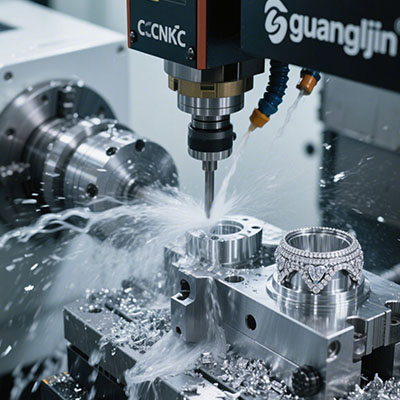
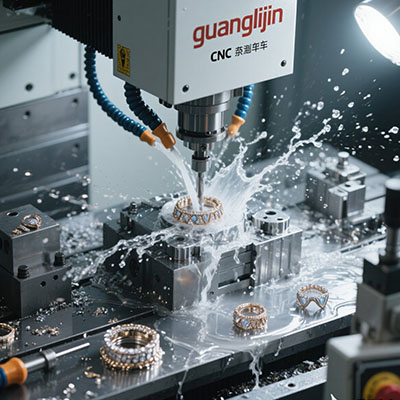
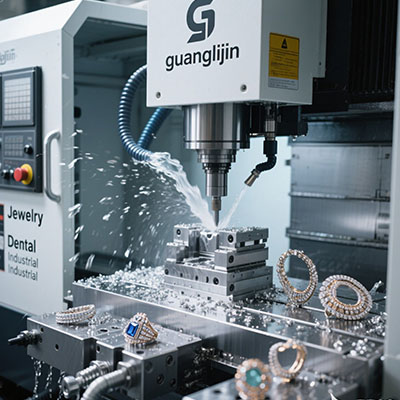
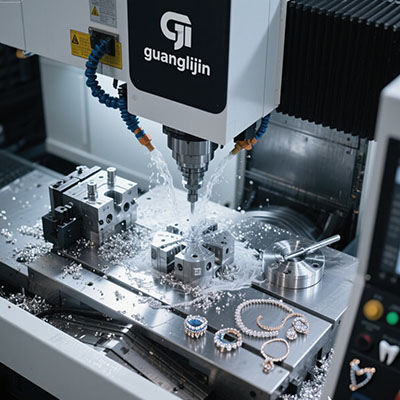
Multi-axis machining is indispensable in aerospace for turbine blades and structural components. In the medical field, it produces orthopedic implants and surgical instruments with complex curves. The automotive sector uses 4-axis for camshafts, housings, and custom performance parts. Even jewelry and dental industries rely on high-precision rotary milling for intricate details .
These diverse applications share a common need: high accuracy, excellent surface finish, and reduced manual handling. A 4 axis cnc with a custom solution adapts to each industry’s specific material and tolerance requirements.
Common Pitfalls and How to Avoid Them
- Underestimating CAM Complexity: Simultaneous 4-axis programming is a specialized skill. Assign dedicated programmers and provide ongoing training.
- Inadequate Chip Evacuation: Deep features and curved surfaces trap chips. Use high-pressure coolant and consider toolpaths that break chips effectively.
- Forgetting Thermal Growth: Long runs can heat the rotary axis, affecting accuracy. Implement thermal compensation or allow warm-up cycles.
- Overlooking Tool Holder Interference: Always simulate the entire tool assembly (holder, shrink-fit, etc.) to avoid collisions with the rotary table or part.
Checklist for Selecting a Custom 4-Axis CNC Partner
- Application Expertise: Does the supplier have proven experience in your specific industry (aerospace, medical, etc.)?
- Customization Capabilities: Can they design and build custom fixtures, and recommend or supply tailored tooling?
- Software & Post-Processor Support: Do they offer CAM training, post-processor customization, and on-site application engineering?
- Machine Reliability: What is the machine’s build quality, spindle power, and positioning accuracy? Request a test cut.
- References and Case Studies: Ask for examples of similar parts they have successfully implemented.