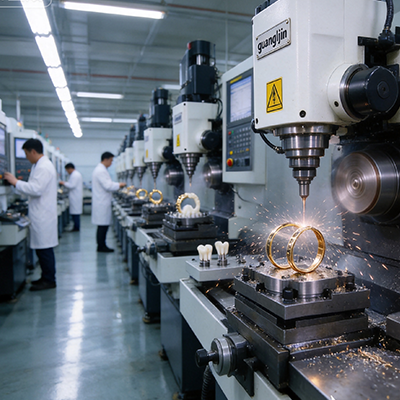
Zirconia is a demanding material for any mill. It is hard, abrasive, and unforgiving of chatter. A benchtop 5-axis machine must handle it with high spindle speed, rigid construction, and serious dust control. A deal that skips any of those elements is no deal at all. This guide shows what a trustworthy zirconia package looks like.
Why Zirconia Punishes Weak Benchtop Machines
Zirconia blanks arrive pre-sintered or fully sintered. Both forms wear tools quickly. The cutting forces are modest, but the abrasive nature of the material means dull tools fast. A weak spindle or a flexible frame shows up as chipped margins and rough surfaces.
Dust control is the other half. Zirconia dust is abrasive and damaging to bearings, guideways, and ball screws. A machine without proper extraction eats itself from the inside. Therefore, dust handling belongs in the purchase decision, not in the aftermarket.
Project A vs Project B: Two Zirconia Deals Compared
Two dental labs bought benchtop 5-axis mills for zirconia crown production. Their deals differed in the details that matter.
| Factor | Project A (Bare Machine Deal) | Project B (Zirconia-Ready Package) |
|---|---|---|
| Purchase price | $16,800 | $29,500 |
| Spindle max speed | 24,000 RPM | 60,000 RPM |
| Dust extraction | Not included, added later for $3,200 | HEPA system included |
| Frame construction | Cast aluminum, light | Polymer concrete base, heavy |
| Crown margin acceptance | 81% | 97% |
| Tool life per blank | 2 crowns per tool set | 5 crowns per tool set |
| First-year repairs | $2,400 (spindle bearings) | $400 (filters) |
Project A looked cheaper by more than $10,000. Add the extraction system, the repair bill, and the rejected crowns, and the gap narrows to almost nothing. Project B delivered sellable restorations from the start. For zirconia work, the package beats the bare machine every time.
A Step-by-Step Zirconia Mill Deal Evaluation
Follow this sequence before you accept any zirconia package.
Step 1: Verify Spindle Speed and Bearing Type
Zirconia milling benefits from 50,000 to 60,000 RPM with ceramic bearings. Lower speeds increase tool wear and surface roughness. Ask for the spindle’s bearing specification and its rated continuous duty cycle. A spindle rated for intermittent use will fail in dental production.
Step 2: Confirm Dust Extraction Is Included and Rated
A 2024 dental equipment review found that inadequate dust extraction ranks among the top causes of premature spindle failure in zirconia milling . HEPA filtration is the baseline. Confirm the filter replacement cost and availability before purchase.
Step 3: Inspect Frame Rigidity and Vibration Damping
A heavy base dampens vibration. Polymer concrete or cast iron bases outperform light aluminum frames for zirconia. Ask for the machine’s weight and base material. Chatter shows up in the crown margins, and it is hard to fix after the fact.
Step 4: Request a Test Cut on Your Zirconia Blank
Send a representative crown file and ask for a test cut in your zirconia brand. Measure the margin fit and surface finish. A supplier who cannot provide a test cut in your material is asking you to take a risk.
Step 5: Price Tooling, Filters, and Service
Zirconia tooling wears fast. Price a year of tools and filters upfront. Add service response time to the evaluation. A dental lab cannot afford a mill that sits idle for two weeks waiting on a technician.
⚠ Attention: Three Zirconia Deal Traps
Trap 1: A cheap machine plus aftermarket extraction. Bundled extraction systems are often undersized. Aftermarket systems may void the warranty. Confirm the extraction is designed for the machine, not bolted on later.
Trap 2: High RPM claims without rigidity. A spindle that spins fast on a flexible frame produces chatter. Zirconia margins chip under chatter. Ask for the base material and frame weight, not just the RPM number.
Trap 3: No zirconia-specific CAM library. Dental CAM software includes restoration templates and margin detection. Generic CAM forces manual toolpath work on every crown. A 2025 dental workflow study reported that integrated zirconia CAM cuts design-to-mill time by roughly 35% . Confirm the software library is included.
What a Trusted Zirconia Package Includes
A trusted package covers the machine, the spindle rated for zirconia, the dust extraction, the CAM software, and the training. It also includes a service agreement with a defined response time. Each element affects the outcome.
Tooling supply matters too. Zirconia tools wear predictably. A package that includes a tooling starter kit and a recommended reorder schedule keeps the mill running. A package that leaves tooling sourcing to the buyer adds friction.
We reviewed a zirconia package in 2025 for a lab expanding from 20 to 60 crowns per week. The initial quote covered the machine and software. Adding the extraction, tooling starter kit, and service agreement raised the total by 22%. The lab accepted the complete package. Reject rates stayed under 3% for the first quarter. The incomplete quote would have hidden those costs until they appeared as production problems.
How Zirconia Brands and Blanks Affect the Deal
Different zirconia brands machine differently. Some sintered blanks are harder than others. Tool wear rates vary. A machine tuned for one brand may need parameter changes for another.
Blank holder design also matters. A 5-axis benchtop mill needs a holder that grips the blank securely while allowing rotary access. Confirm the holder supports the blank sizes you buy. A holder that only fits one blank size limits flexibility.
Therefore, list your zirconia brands and blank sizes before evaluating machines. Ask the supplier to confirm compatibility in writing. This step prevents a purchase that looks good on paper but limits your material choices.
Questions Dental Labs Search For
What spindle speed is needed for zirconia milling on a benchtop CNC mill?
Zirconia milling works best at 50,000 to 60,000 RPM with ceramic bearings and a rigid frame. Lower speeds increase tool wear and surface roughness. Confirm continuous duty rating for production work .
How much does a 5 axis benchtop CNC mill for zirconia cost?
Zirconia-ready packages run $25,000 to $40,000 including dust extraction, CAM software, and training. Bare machines cost less but need aftermarket additions that narrow the gap .
Why does zirconia dust damage CNC mills?
Zirconia dust is abrasive. It infiltrates bearings, guideways, and ball screws, accelerating wear. HEPA extraction and sealed linear guides prevent premature failure. Undersized extraction is a leading cause of spindle damage.
What CAM software is best for zirconia crown milling?
Dental CAM software with restoration libraries and margin detection is the standard. It reduces manual toolpath work and improves fit consistency. Confirm the software is included and trained in the package .
The Zirconia Mill Deal Checklist
- ☐ Spindle rated 50,000–60,000 RPM for zirconia
- ☐ Ceramic bearings confirmed for continuous duty
- ☐ HEPA dust extraction included and rated
- ☐ Frame weight and base material verified
- ☐ Test cut completed in your zirconia brand
- ☐ Dental CAM software and restoration library included
- ☐ Tooling starter kit priced
- ☐ Filter replacement cost confirmed
- ☐ Service response time in writing
- ☐ Blank holder sizes matched to your supply
Final Word on Zirconia Mill Deals
The 5 axis benchtop cnc mill you buy for zirconia must be a complete system, not a bare machine. Spindle, frame, extraction, software, and service all contribute to sellable crowns. A deal that omits any of them shifts cost to the future.
Demand a test cut. Price the consumables. Confirm the service terms. Do that and the zirconia deal becomes a productive asset.