SEO description: Professional affordable 5 axis CNC systems cut cost, not capability. Compare options, follow 5 steps, avoid traps.
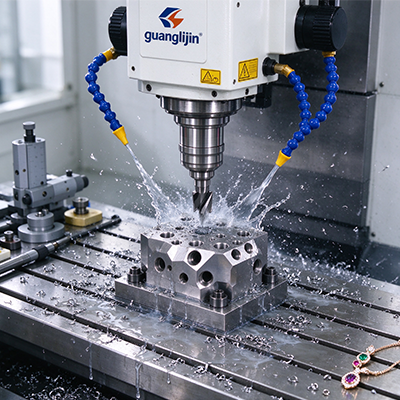
Five-axis machining once sat behind a six-figure wall. Today that wall has cracked. A new class of affordable 5 axis cnc platforms delivers professional results at prices small and mid-size shops can actually finance.
But the market is crowded, and not every low-priced machine deserves the label “professional.” Some cut capability to hit a price point. Others cut waste. Knowing the difference protects your capital and your reputation.
What “Professional Affordable” Really Means
Affordable is a price statement. Professional is a performance statement. A system earns both labels only when it holds tolerance, repeats reliably, and stays in service.
Professional affordable platforms share a recognizable profile. They use stress-relieved castings. They pair a mainstream controller with a proven trunnion or swivel-head design. Builders source components from established suppliers rather than the lowest bidder.
These machines skip aerospace-grade thermal compensation and direct-drive rotary axes. That omission is deliberate. Most job shop work does not require ±3 µm stability. It requires dependable ±10 µm performance day after day.
Project A vs Project B: Two Affordable Paths Compared
A shop with $200,000 to spend faces a genuine fork. Buy a used premium machine or a new affordable platform. The table below compares the trade-offs.
| Metric | Project A: Used Premium 5-Axis Machine | Project B: New Professional Affordable Platform |
|---|---|---|
| Purchase price | $155,000 | $195,000 |
| Rotary repeatability | ±6 arc-seconds (if maintained) | ±7 arc-seconds (new) |
| Controller support | Limited, aging | Current, local service |
| Spare parts lead time | 4 to 12 weeks | 2 to 5 days |
| Warranty | None or 90 days | 24 months |
| Training included | Rarely | Standard package |
| Three-year downtime cost | $52,000 | $14,000 |
Project B wins on support and uptime. Project A wins on raw rotary precision, yet that advantage erodes without maintenance records. For most shops without a dedicated maintenance team, the new affordable platform delivers steadier output.
How to Select an Affordable 5-Axis System: 5 Steps
Selection discipline keeps the budget honest. Work through this sequence before you compare quotes.
- Build a 20-part workload profile. Record size, material, tolerance, and feature angles for each part. This list becomes your specification. Vendors sell machines; your part list tells you which machine to buy.
- Choose the kinematic style that fits your parts. Trunnion tables suit compact, dense parts with features on multiple faces. Swivel-head designs handle longer, flatter workpieces. Match the kinematics to the workload, not the brochure photos.
- Verify the controller and postprocessor ecosystem. Confirm that a local service technician exists within reasonable distance. Check that your CAM package has a tested postprocessor for the controller. This step prevents months of programming headaches.
- Run your own repeatability test. Cut a test part with features on five faces. Repeat the cycle 20 times. Measure spread on the rotary features. Accept nothing above ±8 arc-seconds for general job shop work.
- Total the ownership cost, not the sticker price. Add installation, foundation, power, tooling, workholding, training, and three-year maintenance. Compare that total across vendors. The lowest sticker often carries the highest total.
We worked with a family-owned shop in 2025 that had budgeted $180,000 for its first 5-axis machine. The owner wanted a swivel-head design. We profiled his parts first. Nineteen of twenty fit a trunnion envelope. He bought a professional affordable trunnion platform for $164,000 and kept $16,000 for tooling and training. That decision funded the fixturing package that made the machine productive from week one.
Where Affordable Systems Hide Their Costs
The machine price is a starting point. Installation costs surface next. Some affordable platforms need a dedicated transformer, upgraded compressed air, and a leveled foundation pad.
Tooling and workholding form the second layer. Five-axis work demands stubby holders and clearance tooling. A working tooling package adds $15,000 to $35,000. Zero-point fixturing adds more.
Training is the third layer. Operators moving from 3-axis need time to absorb rotary kinematics and collision awareness. Plan for two to three weeks of reduced throughput. Skipping training invites crashes that cost far more than the training itself.
Common Mistakes When Buying Affordable 5-Axis Machines
Used equipment carries its own traps. Buyers sometimes purchase a used premium machine without maintenance records. The rotary axes may be worn, and replacement parts may be scarce. Always inspect the service history before committing funds.
Frequently Asked Questions
Practical Checklist Before You Buy
Affordable 5-Axis System Purchase Readiness
- Profile 20 target parts for size, material, tolerance, and feature angles.
- Select trunnion or swivel-head kinematics based on that part list.
- Confirm a local service technician supports the controller brand.
- Verify your CAM software has a tested postprocessor for the machine.
- Run a 20-cycle repeatability test on your own part geometry.
- Budget 20% to 30% above machine price for installation and tooling.
- Include foundation, power upgrade, and compressed air costs.
- Confirm installation and operator training are in the quote.
- Inspect service records fully if considering used equipment.
- Model three-year ownership cost, not just the sticker price.
The right affordable 5 axis cnc system is a calculated purchase, not a compromise. It matches proven mechanics to a realistic part mix. It includes the tooling and training that make the machine productive. Shops that run the numbers and profile their work get capability without the premium. Shops that chase the lowest price often pay twice.