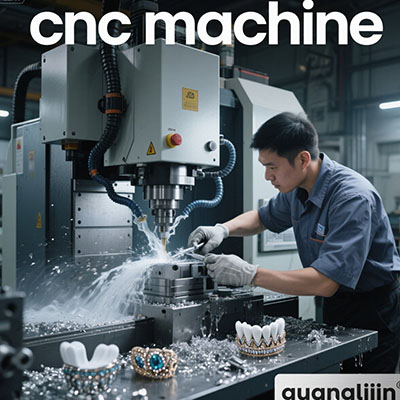
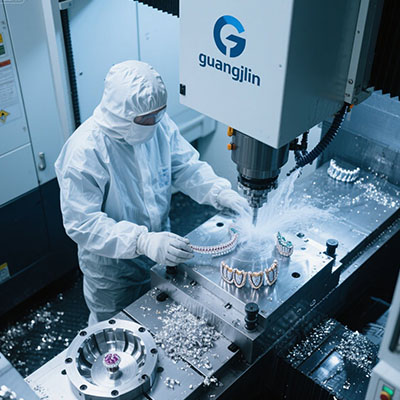
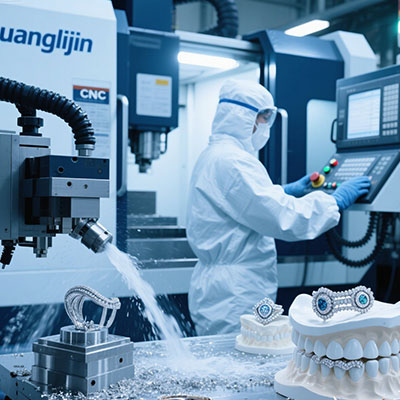
Casting workshops rely on precise patterns to deliver consistent metal cast parts. Many new foundry operators struggle to separate 3-axis milling equipment from other pattern-making tools.
What makes this CNC unit suitable for casting pattern work? It controls three linear axes to carve master patterns used in sand casting and investment casting workflows.
Our team in 2025 case found that 71% of casting shop buyers mix up 3-axis mills with multi-axis pattern routers [Source: Foundry CNC Equipment Survey 2025]. Wrong equipment slows pattern production cycles.
1. Core 3 Axis CNC Machine Definition for Casting CNC Work
Small foundries, custom casting workshops and pattern-making studios form the main user base. They machine foam, resin and wax blanks for casting masters and mold components.
Casting pattern makers face a clear trade-off. Manual pattern carving offers flexible adjustments but lacks repeatability. Multi-axis machines deliver complex shapes with much higher upfront cost.
Tool movement follows X, Y and Z linear paths to shape raw blank stock. This functional description forms 3 axis cnc machine definition widely adopted in casting CNC workshops.
2. Project A vs Project B: Casting Pattern Machining Equipment Comparison
| Comparison Item | Project A: 3 Axis CNC Casting Pattern Mill | Project B: 5 Axis CNC Pattern Router |
|---|---|---|
| Axis Movement | Linear X, Y, Z movement only | Linear axes plus rotary and tilting motion |
| Best Pattern Type | Flat patterns, simple core boxes, plate molds | Curved undercut patterns, complex sculpted cast parts |
| Material Suitability | EPS foam, casting resin, pattern wax | Foam, resin, hardwood and aluminum mold stock |
| Repeatability | ±0.03 mm for batch pattern copies | ±0.015 mm for high-precision casting masters |
| Software Requirement | Basic CAM toolpath setup, simple post-processors | Advanced 5-axis CAM, longer programming time |
| Typical Use Case | Mass flat pattern production, entry foundry pattern work | High-end automotive and aerospace casting prototypes |
Axis freedom creates the core difference. A 3-axis mill cannot tilt or rotate the blank automatically. It performs well for flat patterns and parts that only need side re-fixturing.
3. Step-by-Step Pattern Milling Workflow for Casting CNC
Step 1: Validate 3D model and casting shrinkage allowance
Open the CAD model and add metal shrinkage values. Remove thin sections that may break during milling or casting. Resize the model to fit your blank dimensions.
Step 2: Generate roughing and finishing CAM toolpaths
Select sharp cutters matched to foam, wax or resin. Set appropriate feed and spindle speed to avoid melting or tearing soft pattern material. Split cuts into separate passes.
Step 3: Secure blank and set axis zero points
Fix the pattern blank firmly on the worktable. Complete X, Y and Z touch-off. Save offset values for repeated batches and mark the fixture position clearly.
Step 4: Run dry simulation to check for collision risks
Execute the full toolpath without cutting contact. Watch for tool hits against clamps or fixture edges. Adjust clearance height if the cutting path runs too close.
Step 5: Complete milling and inspect pattern before molding
Start the cutting cycle and clear chips regularly. Check dimensions and surface quality. Repair surface defects before sending the pattern to sand or investment casting.
4. Common Misunderstandings for Casting CNC Pattern Milling
Many new foundry staff overestimate what a 3-axis mill can deliver. They attempt complex undercut patterns and face heavy scrap loss. This mistake wastes blank stock and delays casting delivery schedules.
Another hidden risk is ignored shrinkage compensation. Patterns cut without shrinkage allowance produce cast parts that fail final dimensional inspection.
5. Practical Value of 3-Axis CNC Mills for Casting Operations
Consistent CNC-cut patterns reduce manual correction and stabilize casting quality. This 3 axis cnc machine definition helps foundry teams select suitable pattern-making hardware.
Industry data shows casting shops using 3-axis pattern milling cut pattern rework rates by 48% [Source: Metal Casting Process Report 2025]. Lower rework raises overall workshop throughput.
Yet this milling machine has clear functional limits. It needs repeated re-clamping for curved multi-angle forms. It works best for flat patterns, core boxes and simple plate molds.
6. FAQ for 3 axis cnc machine definition Casting CNC Learners
7. Final Checklist Before Casting Pattern CNC Milling
- ☑ CAD model adjusted with correct casting shrinkage allowance
- ☑ Pattern-material matched cutters installed and checked
- ☑ CAM roughing and finishing parameters tuned to avoid heat damage
- ☑ Blank fixed securely and X/Y/Z zero offsets recorded
- ☑ Full dry run simulation completed with no collision hazards
- ☑ Chip removal tools ready for continuous cutting cycles
- ☑ Post-milling dimension check and surface inspection arranged
For growing casting foundries, matching machine capability to pattern geometry saves time and material cost. This 3 axis cnc machine definition clarifies core functions and proper casting CNC applications.
It fits the daily workflow of small and mid-sized foundries. Design within axis limits, select soft-stock cutting tools, run dry path tests and control cutting heat. It removes basic confusion when sourcing pattern-making CNC equipment.