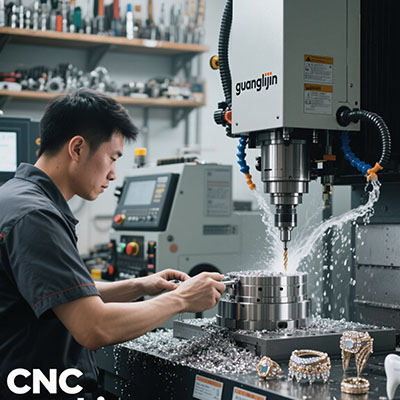
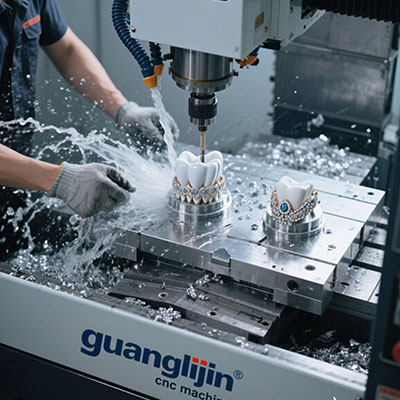
Aerospace processing punishes weak equipment. Shifts run long. Materials fight back. Parts carry traceability marks that must read clean for years. A robust 3 axis cnc engraving machine survives this environment because every structural choice favors endurance. This guide explains what robustness means in practice, how to verify it, and how to keep it after installation.
Why Robustness Matters in Aerospace Processing
Aerospace shops do not run short hobby cycles. A single setup may last six hours. The spindle stays hot. The frame absorbs continuous vibration. Weak components fail under that load.
Engraving adds a second demand. The cut is shallow and the tool is small. Any looseness shows up as a wobbly line. Any thermal drift shows up as uneven depth. The part may pass dimensional inspection yet fail traceability readability.
Therefore, robustness covers more than brute strength. It means stable geometry under heat. It means guides that resist wear over thousands of cycles. It means a spindle that holds runout after months of use. These traits decide whether the machine earns its keep.
We audited a shop in 2025 that ran three engravers on the same titanium bracket family. The oldest machine, a heavy cast-frame unit, held depth within ±0.015mm after four years. The two lighter machines drifted past ±0.04mm within eighteen months. Frame mass and guide quality explained the gap.
Structural Features That Define a Robust Engraving Machine
Robustness lives in the structure. Buyers should inspect these features directly, not through a brochure.
Frame Mass and Vibration Damping
Heavy cast iron and polymer concrete absorb vibration. Welded steel frames transmit it. Under a 24,000 RPM spindle, the difference appears in edge quality. Ask for a vibration measurement at the tool tip during a cutting test.
Guide and Screw Longevity
Preloaded linear guides resist stick-slip and wear. Ball screws with proper preload hold position over millions of cycles. Cheap round rails loosen over time. The engraving line quality drops as play grows. Specify guide type and expected service life.
Spindle Durability Under Continuous Duty
Continuous duty ratings matter for long aerospace runs. A spindle rated for peak output overheats mid-shift. Runout grows. Depth drifts. Specify continuous duty and request runout data after a full warm-up cycle.
Thermal Compensation and Enclosure
Heat moves metal. A robust machine compensates or isolates that movement. Temperature-controlled spindles and enclosed work zones reduce drift. These features cost more upfront. They protect depth consistency across a long shift.
Project Comparison: Two Aerospace Engraving Setups
| Factor | Project A: Light-Duty Engraver | Project B: Robust Production Engraver |
|---|---|---|
| Frame | Welded steel, thin sections | Cast iron base, ribbed column |
| Guide type | Round rail, light preload | Linear guide, heavy preload |
| Spindle duty | Peak rated, 30 min | Continuous duty, 8 hr |
| Runout after warm-up | 0.02mm and growing | 0.008mm stable |
| Depth drift over 6 hr | ±0.05mm | ±0.015mm |
| Material focus | Aluminum only | Aluminum, titanium, stainless |
| Service interval | Frequent guide adjustment | Annual inspection |
Project A suits prototype work and soft materials. Project B suits production aerospace processing. The cost gap is real. So is the difference in scrap rate and rework. Shops that run titanium or stainless should lean toward the robust configuration.
Step-by-Step Verification of Machine Robustness
Step 1 — Inspect the frame construction in person. Look at section thickness and ribbing. Tap the frame and listen. A dull thud suggests mass and damping. A ringing tone suggests a thin structure.
Step 2 — Run a long cutting test. Ask for a two-hour engraving run on your material. Measure depth at the start, middle, and end. Drift beyond ±0.02mm signals thermal weakness.
Step 3 — Measure runout after warm-up. Check spindle runout at operating temperature with a dial indicator. Values above 0.01mm wear small tools fast and hurt line quality.
Step 4 — Check guide and screw condition after the test. Feel for play by hand at the table edges. Ask for backlash measurements. A robust machine holds preload after the run.
Step 5 — Review the maintenance history and parts availability. Ask how often guides and screws need service. Confirm that spindles and control boards are stocked locally. Robust hardware still fails without support.
⚠ Attention: Do not judge robustness by weight alone. A heavy frame with weak guides still drifts. A light frame with excellent damping can outperform it on small parts. Check the full chain: frame, guides, screws, spindle, and thermal control. One weak link defeats the rest.
Common Mistakes in Aerospace Engraving Operations
Running continuous shifts on a peak-rated spindle. Overheating grows runout and drifts depth. Match duty rating to shift length.
Skipping warm-up on the first shift. Cold machines cut shallow at the start. Warm-up stabilizes geometry. It is a small habit with a large payoff.
Ignoring guide wear until quality drops. Play develops slowly, then suddenly. Schedule backlash checks monthly. Catch drift before scrap appears.
Cutting titanium with aluminum-tuned parameters. Titanium work-hardens under light feed. Use appropriate speeds, feeds, and sharp tools. Robust machines tolerate the load. Poor parameters still break tools.
Neglecting fixture rigidity. A weak fixture vibrates on any machine. Clamp close to the cut. Support thin sections. The machine cannot compensate for a loose part.
Frequently Asked Questions About 3 Axis CNC Engraving Machines
Q: What makes an engraving machine robust enough for aerospace processing?
A: A damped heavy frame, preloaded linear guides, a continuous-duty spindle, and thermal control. All four must hold together. One weak component defeats the rest.
Q: How long should a robust 3 axis cnc engraving machine last in production?
A: With proper maintenance, a robust machine holds tolerance for five to ten years. Guide and screw service intervals depend on cycle count. Spindle life depends on duty cycle and material mix.
Q: Can a robust engraving machine cut stainless steel aerospace parts?
A: Yes, with the right tooling and slower feeds. Stainless work-hardens and wears tools faster than aluminum. Confirm spindle torque and frame damping before committing to stainless production.
Q: How do I check for thermal drift on an engraving machine?
A: Run a two-hour engraving test on your material. Measure depth at the start, middle, and end. Drift beyond ±0.02mm signals a thermal issue. Ask about compensation features.
Q: What maintenance keeps a robust engraving machine accurate?
A: Daily cleaning and coolant checks. Weekly lubrication and runout checks. Monthly backlash measurement. Annual guide and screw inspection. Log every task and review the trend.
Operational Checklist for Robust Aerospace Engraving
☐ Frame construction inspected in person for mass and ribbing
☐ Linear guide type and preload confirmed
☐ Ball screw preload and backlash data reviewed
☐ Spindle continuous-duty rating confirmed for shift length
☐ Runout measured under 0.01mm after warm-up
☐ Two-hour cutting test run with depth measured at intervals
☐ Thermal drift confirmed within ±0.02mm
☐ Fixture rigidity checked close to the cut zone
☐ Maintenance schedule and parts availability verified
☐ Operator training completed on warm-up and backlash checks
☐ Backlash log started for monthly trend review
_A robust 3 axis cnc engraving machine protects aerospace processing from drift, chatter, and scrap. Frame mass, guide quality, spindle duty rating, and thermal control carry the result. Verify each one before purchase. Then maintain them with discipline._