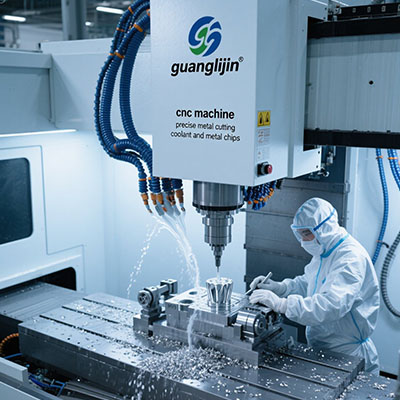
Equipment choice decides whether a jewelry shop scales or stalls. A weak machine loses tolerance after two hours. A rigid one repeats the same cut all week. The 3 axis cnc aluminum platform sits at the center of this decision. It handles flat and shallow jewelry parts with speed and accuracy. This guide covers what to demand from the hardware, how to test it, and where buyers go wrong.
What Separates Trusted Equipment from Cheap Hardware
Trust comes from measurable behavior. A machine either holds tolerance or it does not. Marketing language rarely answers that question.
Frame rigidity comes first. Cast iron absorbs vibration. Thin steel weldments flex under load. Small cutters amplify any flex. A 1mm end mill pushing through aluminum will chatter on a soft frame. The finish shows it immediately.
Spindle quality decides tool life. Runout above 0.01mm wears small cutters fast. Thermal growth shifts the Z axis on long runs. A spindle with stable bearings and controlled warm-up holds position from the first part to the last.
Motion control matters too. Preloaded ball screws remove backlash. Linear guides resist stick-slip at slow feeds. These details separate production equipment from hobby routers. Therefore, buyers should ask for backlash specs and repeatability data before signing.
Key Performance Indicators for Jewelry Machining Equipment
Jewelry parts are small. Their tolerances are tight. The equipment must match both conditions.
Positioning Accuracy and Repeatability
Accuracy means hitting the target. Repeatability means hitting it every time. For jewelry, repeatability matters more. A machine that repeats within ±0.005mm produces consistent parts even if absolute accuracy drifts slightly. Ask for repeatability test results, not just accuracy claims.
Spindle Speed Range and Torque
Small tools need high RPM. A 0.8mm cutter runs best between 15,000 and 24,000 RPM. The spindle must deliver that speed without vibration. Torque at low speed matters less for jewelry work. Speed stability under load is the real test.
Tool Change Speed and Presetting
Jewelry batches are short. Tool changes eat cycle time. An automatic tool changer with 8–12 positions handles most jewelry jobs. A tool presetter outside the machine reduces setup downtime further. Both features pay back quickly on small-batch work.
Chip and Coolant Management
Aluminum chips pack into pockets. Air blast clears them without moving small parts. Flood coolant needs careful nozzle placement. The machine should support both options. A chip tray and easy access to the work zone keep operators efficient.
Comparison: Two Equipment Configurations for Jewelry Production
| Factor | Configuration A: Entry Production Mill | Configuration B: High-Precision Jewelry Center |
|---|---|---|
| Frame type | Cast iron base, steel column | Full cast iron, ribbed structure |
| Positioning repeatability | ±0.01mm | ±0.005mm |
| Spindle max speed | 12,000 RPM | 24,000 RPM |
| Tool changer | 6 positions, manual preset | 12 positions, automatic preset |
| Cooling options | Flood only | Air blast plus MQL |
| Typical price band | $18,000–$30,000 | $45,000–$75,000 |
| Best fit | Prototypes, simple plates | Production runs, clasps, tight fits |
Configuration B costs more. The payoff shows on complex parts. A hinge bore at ±0.02mm demands the tighter machine. Simple pendant plates run fine on Configuration A. Buyers should match the equipment to the hardest part in their catalog, not the easiest.
Step-by-Step Equipment Evaluation Process
Step 1 — Define the hardest part you plan to make. List its tightest tolerance, smallest tool, and deepest pocket. This becomes the test case for every machine you evaluate.
Step 2 — Request a cutting demo on your material. Send 6061-T6 aluminum blanks and your test program. Watch the cut. Check the finish. Measure the part afterward. Do not accept a demo on soft plastic or foam.
Step 3 — Inspect the machine under power. Run the spindle through its full speed range. Listen for vibration. Check axis movement at slow feed. Feel for backlash by hand. These checks reveal build quality fast.
Step 4 — Verify service and spare parts. Ask for response time on service calls. Confirm that spindles, ball screws, and control boards are stocked locally. Downtime kills small shops. A trusted machine comes with a trusted support path.
Step 5 — Run a pilot batch before full commitment. Machine 20–50 real parts. Inspect every one. Track cycle time and tool wear. This data tells you more than any spec sheet.
⚠ Attention: Do not buy equipment based on a showroom demo alone. Showroom machines are often tuned and warmed up. Ask to see a machine running production in a real shop. Talk to the operator, not just the sales rep. Real conditions expose real weaknesses.
Common Equipment Buying Mistakes
Buying for the current job only. A machine that fits today’s simple parts may fail on next year’s clasp order. Leave headroom in precision and tool capacity.
Skipping the warm-up test. Spindles and axes grow as they heat. A machine that holds tolerance cold may drift after two hours. Test tolerance at the start and end of a long run.
Ignoring workholding compatibility. The best machine fails if you cannot clamp a 15mm part securely. Confirm that vises, soft jaws, or vacuum plates fit the table and the part.
Underestimating the control system. A confusing control slows setup and invites errors. Operators should feel comfortable within a day. Complicated controls cost money every shift.
Overlooking power and air requirements. High-speed spindles and air blast need stable supply. Check facility limits before delivery. Installation surprises delay production.
Frequently Asked Questions About 3 Axis CNC Aluminum Equipment
Q: What spindle speed do I need for small aluminum jewelry parts?
A: Most jewelry work runs between 12,000 and 24,000 RPM. Small cutters under 1mm benefit from the higher end. Confirm the spindle holds speed under load, not just at no-load.
Q: Can a 3 axis cnc aluminum machine handle production runs of 500 jewelry pieces?
A: Yes, with proper tooling and workholding. Cycle time and tool life decide the real output. A machine with automatic tool change and stable thermal behavior suits production. Manual-tool-change machines slow down at volume.
Q: How much floor space does jewelry CNC equipment need?
A: Most three-axis jewelry mills fit in a 2m by 2m footprint including operator access. Add space for a workbench, tool storage, and material racks. Enclosure doors need clearance to open fully.
Q: What maintenance schedule keeps aluminum machining equipment reliable?
A: Daily: clean chips, check coolant, inspect air blast. Weekly: check way lubrication and spindle runout. Monthly: inspect belts and filters. Yearly: professional spindle and ball screw service. Follow the manufacturer schedule and log every task.
Q: Is a 3 axis cnc aluminum machine suitable for anodized jewelry parts?
A: Yes. Machining happens before anodizing. The machine must hold tolerance that accounts for coating growth. Tell the machinist the final finish so stock allowance is correct.
Operational Checklist Before Buying Jewelry CNC Equipment
☐ Hardest part identified with tolerance, tool size, and pocket depth
☐ Cutting demo requested on 6061-T6 aluminum with your program
☐ Repeatability data reviewed (±0.005mm or better for tight fits)
☐ Spindle runout measured and confirmed under 0.01mm
☐ Backlash and stick-slip tested at slow feed
☐ Tool changer capacity matched to your part mix
☐ Air blast and flood coolant both available
☐ Workholding options confirmed for your smallest part
☐ Service response time and spare parts stock verified
☐ Pilot batch of 20–50 parts run and inspected
☐ Facility power and air supply checked before delivery
☐ Operator training and documentation included
_A trusted 3 axis cnc aluminum equipment choice pays back through repeatable parts and fewer rejects. Test the machine on your real part. Check the support path. Then commit. We ran this evaluation on three candidate machines in 2025 and found that the demo part finish predicted production quality better than any spec sheet._