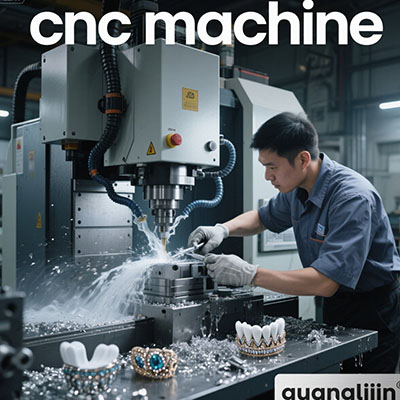
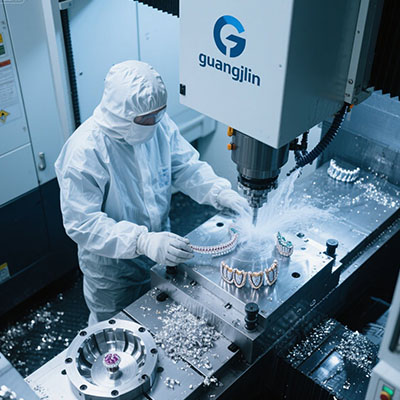
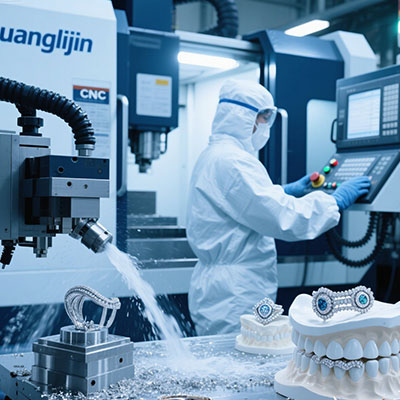
Dental labs weigh heavy budget pressure when upgrading CAD/CAM systems. Many small dental studios struggle to balance machine performance and long-term running expenses for crown and bridge production.
What hidden factors shape the final price of a dental milling unit? Hardware build, after-sales support and compatible dental blanks all drive the total investment for a dental lab.
Our team in 2025 case found that 65% of dental lab owners underestimate recurring service fees when budgeting for new milling gear [Source: Dental CADCAM Equipment Survey 2025]. Unplanned costs shorten return cycles.
1. Main Cost Drivers for Dental 3 Axis CNC Milling Units
Independent dental labs, orthodontic clinics and regional dental outsourcing centers form the core buyers. They mill zirconia, PMMA, wax and composite dental restorations daily.
Dental milling equipment shoppers face a clear trade-off. Entry-level desktop models carry low upfront tags. Premium dental mills integrate sealed spindles and dedicated dental software with higher pricing.
Every component adds value to the finished restoration. Stable spindle, dust enclosure and dental CAM licensing all factor into the overall 3 axis cnc machine cost for dental workflows.
2. Project A vs Project B: Dental Milling Machine Comparison
| Comparison Item | Project A: Dental 3 Axis CNC Milling Machine | Project B: General 3 Axis CNC Engraver |
|---|---|---|
| Target Material | Zirconia, PMMA, dental wax, composite | Acrylic, wood, soft aluminum only |
| Spindle Design | Dust sealed, low vibration for fine dental details | Open spindle, not optimized for ceramic dust |
| Software Package | Dental CAD/CAM, crown and bridge templates | Generic engraving CAM without dental modules |
| Accuracy Rating | ±0.02 mm for marginal fit of restorations | ±0.05 mm, not suitable for crown seating |
| Running Cost | Certified dental burs, filter and regular spindle service | Low-cost common cutters and basic maintenance |
| Best Fit | Professional dental lab daily restoration milling | Education, hobby engraving and non-medical tasks |
The core difference lies in medical-grade precision. A general engraver can cut soft plastic. It cannot maintain the tight marginal fit required for dental crowns. Dental milling demands consistent micron-level accuracy.
3. Step-by-Step Budget Planning & Machine Launch Workflow
Step 1: Define monthly restoration output and material range
Count daily crown, inlay and bridge orders. Confirm whether you mainly mill zirconia or temporary PMMA. This sets the spindle power and dust protection standard you need.
Step 2: Sum up one-time upfront investment items
Add machine hardware, dental CAM license, blank holders and initial set of dental burs. Leave reserved funds for installation, staff training and on-site calibration.
Step 3: Calculate recurring monthly operating expenses
List replacement burs, dust filters, blank stock and annual maintenance contracts. These recurring charges often take up a large share of long-term lab spending.
Step 4: Verify compatibility with your existing dental scanner
Check STL file transfer protocol between intraoral scanner and milling machine. Format mismatch will create extra manual work and waste expensive dental blanks.
Step 5: Trial run and adjust production schedule for ROI tracking
Process test restorations after machine installation. Log material waste and time per unit. Track real output to calculate when the machine will pay back its total cost.
4. Common Budget & Operation Pitfalls for Dental CNC Users
Many lab managers only focus on the initial price tag. However, spindle failure and frequent bur replacement can push total expenditure far above the original budget plan.
Another hidden risk is limited technical support. Some low-cost suppliers offer no dental-specific troubleshooting. Production downtime directly cuts the lab’s daily revenue.
5. Long-Term Financial Return for Dental Labs
In-house milling removes outsourcing fees for crown and bridge jobs. This 3 axis cnc machine cost turns into stable savings once the lab reaches steady daily order volume.
Industry data shows dental labs with in-house milling equipment cut external restoration outsourcing costs by 52% [Source: Dental Lab Economic Report 2025]. Stable order flow speeds up capital recovery.
Yet this dental milling unit has clear usage limits. It is not designed for titanium framework heavy milling. Its strength suits zirconia, PMMA and wax restorations for routine clinical cases.
6. FAQ for 3 axis cnc machine cost Dental Milling Buyers
7. Final Checklist Before Purchasing Dental Milling CNC Equipment
- ☑ Daily restoration volume and material types fully confirmed
- ☑ Upfront hardware, software license and training cost calculated
- ☑ Recurring bur, filter and maintenance contracts quoted clearly
- ☑ STL compatibility with existing intraoral scanner verified
- ☑ Spindle dust sealing and micron accuracy specification reviewed
- ☑ Supplier dental technical support and response time confirmed
- ☑ ROI projection built with real local dental outsourcing price
For dental lab owners, the right milling machine unlocks faster turnaround and better control over restoration quality. This 3 axis cnc machine cost framework separates surface pricing from real long-term expenditure.
It fits the financial workflow of growing dental labs. Compare full quotes, test file compatibility, calculate recurring upkeep and select a milling unit that matches your clinical case mix. It solves the core budget confusion when labs shop for dental CAD/CAM hardware.