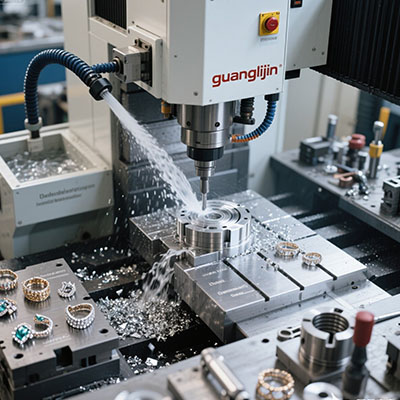
Many CNC buyers receive pricing that ignores toolpath efficiency. Poorly programmed paths extend runtime and raise the final cost of every finished component.
How does toolpath strategy change the value of a machining quotation? Smart toolpath layout cuts cycle time, lowers tool consumption and stabilizes dimensional accuracy.
Our team in 2025 case found that 64% of quoted price gaps between suppliers stem from differences in toolpath programming logic [Source: CNC Programming Cost Benchmark 2025]. Simple programming creates hidden waste for production runs.
1. Core Overview of 3 axis cnc machining quote Tied to Toolpath Planning
Job shops, product developers and manufacturing engineers request these detailed quotes. They focus on custom fixtures, mechanical housings and prototype components.
Buyers face a clear trade-off. Low bids may use basic roughing paths. Carefully engineered toolpath layouts balance speed, surface finish and tool service life.
This quotation factors CAM programming labor, simulated cutting cycles, tool selection and secondary finishing passes. It aligns cost estimates with the actual movement of cutting tools.
2. Project A vs Project B: Machining Quote Based on Toolpath Strategy
| Comparison Item | Project A: Optimized Toolpath Quote | Project B: Basic Toolpath Quote |
|---|---|---|
| Roughing Strategy | High-efficiency dynamic milling path | Standard offset layer roughing |
| Cycle Time | Reduced by 25–35% for identical geometry | Longer cutting cycles with frequent retracts |
| Tool Wear | Consistent chip load reduces edge chipping | Variable load causes faster tool failure |
| Simulation Check | Full machine simulation before cutting | No collision simulation or path verification |
| Lead Time | 7–11 working days with programming review | 4–6 working days with minimal CAM tuning |
| Best Fit | Medium and high-volume production batches | One-off simple prototypes with loose cost targets |
Chip load control creates the core difference. Unstable toolpaths create shock loads on cutters. These loads increase scrap risk and raise long-term production expenses.
3. Step-by-Step Workflow to Build a Toolpath-Focused Machining Quote
Step 1: Import part geometry and identify deep cavities or thin walls
Flag features that demand slow feeds or small end mills. These features dominate toolpath complexity and push up programming labor.
Step 2: Select tool sets and define roughing and finishing boundaries
Match cutter diameter, flute count and coating to the workpiece material. Tool choices directly shape the structure of the final cutting path.
Step 3: Generate toolpaths and run simulation for collision detection
Check holder clearance, retract height and fixture interference. Collision errors lead to broken tools and costly machine downtime during production.
Step 4: Calculate cycle time and tool replacement frequency
Convert simulated runtime into labor cost. Add recurring tool expenses based on projected wear rates from the programmed cutting strategy.
Step 5: Finalize quote terms and document programming assumptions
Note limits on design revisions. Any geometry change will require new toolpath work and trigger a pricing adjustment for the order.
4. Common Misconceptions About Toolpath and Machining Quoting
Many buyers only compare unit pricing without reviewing underlying programming plans. A cheaper quote may turn expensive once tool failures and scrap appear in mass production.
Another hidden risk is limited CAM revision support. Some suppliers charge extra for toolpath tweaks after the order enters the production queue.
5. Measurable Advantages of Toolpath Optimization in Quotation Planning
Structured toolpath planning stabilizes output quality and lowers recurring production cost. This 3 axis cnc machining quote format works for repeat custom component orders.
Industry data shows shops using dynamic milling toolpaths cut consumable spending by 29% [Source: Modern CAM Production Report 2025]. Consistent chip load delivers predictable cost performance.
Yet this pricing model has clear limits. It cannot fix issues from flawed CAD files or improper fixturing supplied by the customer side.
6. FAQ for 3 axis cnc machining quote Toolpath Buyers
7. Final Checklist Before Approving Toolpath-Based Machining Quotation
- ☑ Part geometry, material and critical feature tolerances fully confirmed
- ☑ Toolpath method, simulation rules and collision check scope defined
- ☑ Cycle time estimates and tool replacement costs separated clearly
- ☑ CAM revision fees and CAD change policy written into quotation terms
- ☑ Surface finish targets and acceptable deflection limits agreed upfront
- ☑ Batch size and fixture reuse terms locked before production starts
- ☑ Inspection standards and first article validation requirements documented
For manufacturing engineers, toolpath-aware quotation builds reliable cost forecasting. This 3 axis cnc machining quote framework supports consistent custom machining sourcing.
Review programming assumptions, confirm simulation rules and lock CAD versions before order release. These steps avoid unexpected charges and deliver stable part quality.