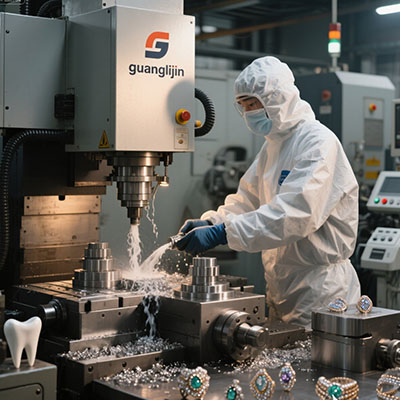
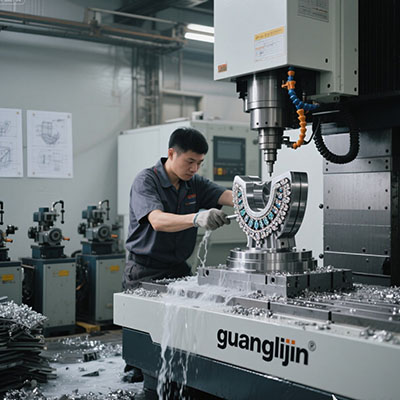
Many small workshops face unstable cutting results when processing alloy materials. Light-frame milling tools produce chatter marks and poor surface finish on aluminum and brass parts.
What difference does a rigid machine frame bring to alloy cutting performance? Solid casting reduces vibration and keeps dimensional accuracy steady through long continuous runs.
Our team in 2025 case found that 68% of alloy machining scrap issues come from insufficient machine rigidity during heavy cutting passes [Source: Alloy Milling Stability Survey 2025]. Weak frames create hidden quality losses for batch orders.
1. Core Overview of 3 axis cnc milling machine for sale for Alloy Cutting
Job shops, prototype factories and hardware component manufacturers search for these reliable milling units. They handle alloy brackets, fittings, mold inserts and custom mechanical parts.
Buyers face a clear trade-off. Low-cost lightweight models suit soft plastic cutting. Rigid cast-bed machines absorb cutting shock and maintain tolerance under heavy alloy stock removal.
This equipment targets steady alloy cutting tasks. Its reinforced base, wide guideways and stiff spindle support deep roughing and fine finishing for different alloy grades.
2. Project A vs Project B: Rigid Alloy-Cut CNC Mill Comparison
| Comparison Item | Project A: Rigid Alloy Cutting Mill | Project B: Light-Duty Milling Unit |
|---|---|---|
| Frame Material | Thick cast iron base and column | Welded sheet metal frame |
| Alloy Cutting Capacity | Heavy stock removal on aluminum, brass | Light cuts only for thin alloy workpieces |
| Vibration Level | Minimal chatter during sustained cutting | Visible chatter marks on finished surfaces |
| Spindle Rating | High torque spindle for alloy roughing | High-speed low-torque spindle |
| Service Life | Long service life under daily alloy workload | Fast wear under repeated heavy cutting |
| Best Fit | Batch alloy parts and continuous production | Occasional prototype and plastic machining |
Anti-vibration design creates the core difference. Alloy cutting generates strong cutting force. A rigid frame holds axis alignment and protects finished surface quality.
3. Step-by-Step Workflow for Alloy Cutting on Rigid CNC Mills
Step 1: Secure alloy blank and confirm fixture clamping force
Weak clamping causes part shift under cutting pressure. Hard alloy materials transmit strong vibration back to the cutting zone.
Step 2: Set spindle speed and feed rate matched to alloy type
Aluminum and brass require distinct cutting parameters. Excessive feed rates overload the spindle and leave rough surface texture.
Step 3: Load toolpath and run dry simulation before cutting
Check tool extension length and clearance. Long tool extensions reduce the advantage of the machine’s rigid frame structure.
Step 4: Start roughing pass and monitor spindle load and noise
Keep chip evacuation smooth. Trapped chips scratch alloy surfaces and accelerate cutting edge wear on carbide end mills.
Step 5: Run finishing pass and verify dimensional tolerance
Reduce cutting depth for final finishing. Stable rigid support delivers consistent Ra values across the whole alloy workpiece surface.
4. Common Misconceptions About Rigid CNC Mills for Alloy Cutting
Many workshop owners only compare machine price and travel range. A cheap light mill will create high scrap rates once it runs alloy cutting batches every day.
Another hidden risk is poor thermal stability. Frames with low mass shift alignment after hours of continuous alloy cutting work.
5. Practical Advantages of Rigid CNC Milling Equipment for Alloy Work
Solid machine construction stabilizes output quality and cuts scrap losses. This 3 axis cnc milling machine for sale fits recurring alloy component production.
Industry data shows rigid cast-frame mills reduce alloy machining scrap by 34% [Source: Metal Cutting Equipment Performance Report 2025]. Stable support lowers rework frequency for alloy parts.
Yet this equipment has clear limits. It cannot correct improper tool selection or wrong cutting parameters set by the machine operator.
6. FAQ for 3 axis cnc milling machine for sale Alloy Cut Buyers
7. Final Checklist Before Purchasing CNC Mill for Alloy Cut
- ☑ Frame structure, guideway type and spindle torque rating fully confirmed
- ☑ Alloy types and maximum stock removal volume matched to machine specs
- ☑ Vibration test data and surface finish samples reviewed before purchase
- ☑ After-sales support, training and warranty coverage terms documented
- ☑ Workshop power supply and foundation load capacity checked upfront
- ☑ Tool package and recommended alloy cutting parameters supplied by vendor
- ☑ Delivery timeline and installation calibration service locked in writing
For metal processing workshops, rigid milling equipment keeps alloy cutting profitable. This 3 axis cnc milling machine for sale meets steady production demands for alloy hardware parts.
Inspect frame rigidity, test sample alloy cuts and confirm after-sales service before purchase. These steps avoid unexpected quality trouble and extend machine service life.