SEO description: 8 axis CNC machine for aerospace precision machining cuts setups and scrap. See data, steps, and pitfalls.
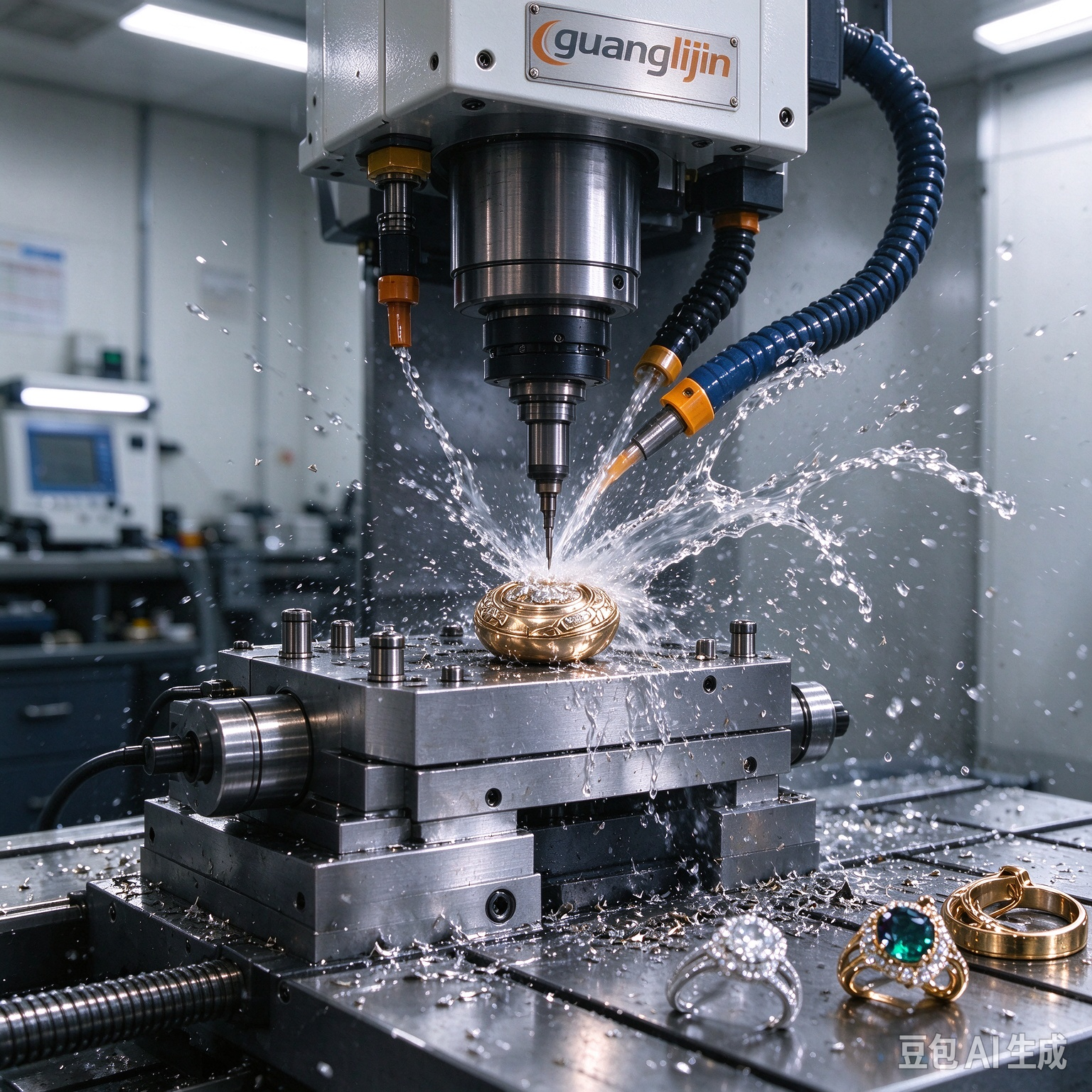
Aerospace drawings rarely forgive. Thin walls, compound angles, and undercut ports stack tolerance demands on top of each other. One re-clamp can consume the entire budget. That is why the 8 axis cnc machine has moved from niche curiosity to mainstream aerospace asset. It keeps the part fixed while the tool reaches everywhere.
The platform alone does not guarantee success. Process engineering decides whether precision survives a full production shift. Therefore, this guide examines where aerospace machining gains and loses accuracy on 8-axis platforms.
Why Aerospace Parts Stress Conventional Setups
Structural brackets and fuel system housings share a common trait. Critical features sit on multiple non-orthogonal faces. A 5-axis center reaches some of them. The rest demand manual re-fixturing.
Every re-clamp resets the datum chain. Positional error compounds across setups. Aerospace tolerances of ±10 µm leave little room for that compounding. Consequently, yield drops and inspection costs climb.
An 8-axis platform adds rotary dexterity that reaches undercuts and deep pockets without releasing the part. The datum chain stays intact. Precision therefore becomes a function of machine stability rather than operator consistency.
Project A vs Project B: Two Aerospace Workflows Compared
Consider an Inconel 718 bracket with four angled mounting faces and a thin 1.2 mm web. Two production strategies are compared below.
| Metric | Project A: 5-Axis Plus Secondary Ops | Project B: Single-Setup 8-Axis Machining |
|---|---|---|
| Setups per part | 3 | 1 |
| Cycle time per bracket | 14.2 hours | 8.6 hours |
| Thin-wall distortion (max) | 34 µm | 9 µm |
| First-pass yield | 82% | 96.4% |
| Tool cost per part | $210 | $146 |
| CMM inspection hours | 2.8 | 1.1 |
Project B dominates on every line. The web distortion figure deserves attention. Thin walls deform when clamps release stress. Keeping the part clamped throughout removes that release event entirely.
How to Qualify an Aerospace 8-Axis Process: 5 Steps
Aerospace qualification demands documentation, not promises. Follow this sequence before releasing production.
- Material-specific cutting trials. Run test cuts in the actual alloy. Inconel and titanium behave differently from aluminum. Record tool wear, chip morphology, and surface integrity for each.
- Thermal stability mapping. Soak the machine for a full shift under production loads. Map rotary drift and spindle growth. Program compensation curves before first article.
- Kinematic simulation with full stock model. Verify collision-free motion at extreme compound angles. The second rotary table creates new collision zones that 5-axis intuition misses.
- First article inspection with CMM and probe correlation. Compare in-process probe readings against CMM results. Any gap above 5 µm signals calibration or thermal issues.
- Statistical process control baseline. Run 30 consecutive parts and calculate Cpk for every critical feature. Aerospace programs typically require Cpk above 1.67 before rate production.
Our team handled a titanium nacelle fitting program in 2025. The first 12 parts passed inspection, yet probe data showed 11 µm of rotary drift by hour six. We rebuilt the thermal compensation table and added mid-cycle probing. Drift fell to 3 µm. Without that correction, the drift would have crossed the tolerance limit somewhere around part 40.
Where 8-Axis Aerospace Machining Loses Precision
Thermal growth is the primary culprit. Rotary motors generate heat. Spindles expand. The structural loop changes length while the CNC assumes it has not.
Vibration is the second threat. Thin aerospace walls resonate at frequencies that extra rotary masses can excite. Precision 8 axis cnc machine platforms address this with damped structures and tuned mass elements. Commodity platforms do not.
Fixture stiffness completes the picture. A flexible workholding setup lets the part deflect under cutting force. The machine holds position, yet the part moves. Precision therefore requires rigid, low-profile fixtures that clear the full rotary range.
Common Aerospace Qualification Mistakes
Another frequent error involves documentation. Aerospace auditors expect calibration records, thermal logs, and probe data tied to specific part serial numbers. Missing records can invalidate an otherwise capable process.
Frequently Asked Questions
Practical Checklist for Aerospace 8-Axis Production
Aerospace 8-Axis Machining Readiness
- Run cutting trials in the actual alloy before quoting the job.
- Complete a full-shift thermal soak and map rotary drift.
- Verify active thermal compensation is enabled and logging data.
- Confirm the CNC executes full 8-axis simultaneous interpolation.
- Validate the postprocessor against simulation on a compound-angle test part.
- Check rotary backlash and document readings against factory specification.
- Correlate in-process probe readings with CMM measurements.
- Establish Cpk above 1.67 across 30 consecutive parts.
- Verify fixture stiffness and clearance through the full rotary range.
- Archive calibration, thermal, and probe records tied to part serial numbers.
Aerospace precision is a system property, not a machine specification. The right 8 axis cnc machine provides the mechanical foundation. Thermal discipline, probing, and documented process control turn that foundation into certified parts. Programs that invest in all three layers ship on time. Programs that skip one learn where the tolerance budget went.